
Introduction
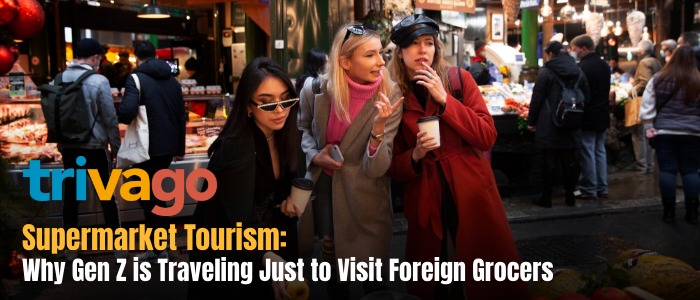
I didn't expect a supermarket in Bangkok to make me emotional. But there I was, standing in an aisle stacked with seaweed chips and neon-colored drinks, thinking, this is travel. Not temples. Not beaches. A grocery store. Welcome to the Supermarket. Supermarket tourism is a growing trend where travelers, particularly younger ones, are abandoning souvenir shops in favor of exploring foreign aisles. It sounds random at first. Maybe even silly. But once you've walked through an unfamiliar supermarket abroad, you get it. The smells, the packaging, the prices scribbled in a language you half-understand—it's oddly intimate. Trivago helps travelers find the perfect hotel at the best possible price by comparing deals from hundreds of booking sites in one simple search, making it easier to choose smart, save money, and book with confidence.What Is Supermarket Tourism and Why Is It Everywhere?
At its core, Supermarket Tourism is exactly what it sounds like: visiting grocery stores in other countries as a form of cultural exploration. But that description feels too neat. It's more layered than that. It's about curiosity. It's about wanting to know what people actually eat on a Tuesday night.Unlike curated city tours, international supermarkets are unfiltered. They reveal real life. These supermarkets provide the snacks that children eagerly crave. College students rely on instant noodles. The oddly specific spice blends are so popular that they are not even featured in travel guides.
And honestly? It's cheaper than most attractions.
Gen Z Travel Trends: Why Grocery Stores Beat Museums
Scroll through TikTok or Instagram and you'll notice something: airport grocery hauls. Shelf tours. "I bought it at a supermarket in Seoul." These videos rack up millions of views.This type of behavior isn't random. It's part of broader Gen Z travel trends that prioritize authenticity over aesthetics. They want cultural travel experiences that feel personal, not staged. Museums are wonderful. But a supermarket? That's everyday life.
There's also the budget factor. Gen Z travelers are often funding their trips. International supermarkets offer exploration without expensive entry tickets. Plus, food souvenirs are practical. You eat them. You share them. They're conversation starters back home.
And let's be honest—trying to decode foreign cereal mascots is weirdly fun.
The Sensory Overload of International Supermarkets
The first thing you notice in international supermarkets isn't the products. It's the sound. The hum of refrigerators. The beeping checkout scanners. The chatter is in a language that moves too quickly for you to comprehend.Then the colors hit you. In Japan, bright green matcha Kit Kats are a common sight. Entire aisles of pasta shapes in Italy. Yogurt flavors you didn't know existed.
You start reading labels slowly. Even if you don't understand everything, it still matters. The textures matter too: different packaging materials, softer plastic, thicker paper bags.
Travel isn't just about landmarks. It's about these small, sensory jolts. And supermarkets deliver them in waves.
Cultural Travel Experiences Hidden in Plain Sight
We talk about "immersive travel" a lot. Cooking classes. Local homestays. Street food tours. All valuable. But Supermarket Tourism quietly offers one of the most honest cultural travel experiences out there.Think about it.
- Staple grains reveal dietary patterns.
- Spice aisles reflect regional history.
- Snack sections show pop culture trends.
- Price differences hint at economic realities.
And sometimes, you'll see small things—like elderly shoppers carefully selecting produce—that stay with you longer than any postcard view.
Why Gen Z Loves Documenting Grocery Adventures
There's something inherently shareable about supermarket finds. Maybe it's the packaging design. Maybe it's the surprise factor.Under current Gen Z travel trends, documenting travel is part of the experience. However, it should not be done in a glossy or overly filtered manner. It's about discovery. "Look at this shrimp-flavored chip!" feels more relatable than a perfectly posed beach shot.
And the content is interactive. Followers comment, "Did it taste good?" "How much was it?" "Bring me one!"
Suddenly, a mundane errand becomes social currency. The 30-second clips showcase a cultural exchange.
The Economics Behind Supermarket Tourism
Here's something less romantic but equally intriguing: pricing comparisons. Many travelers use international supermarkets to understand cost of living differences.You stand in an aisle calculating currency conversions on your phone. Why is chocolate cheaper here? Why are imported fruits expensive? These observations turn into real-world economic insights.
And for budget travelers, supermarkets are survival tools. Instead of eating out three times a day, they buy local bread, cheese, and fruit. Affordable. Authentic. Practical.
So Supermarket Tourism isn't just aesthetic—it's strategic. It blends curiosity with financial awareness.
Unexpected Lessons from Foreign Grocery Stores
I once spent twenty minutes in a Seoul supermarket trying to figure out milk packaging. It came in bags. Bags. I stood there confused, slightly embarrassed, but fascinated.Moments like that teach flexibility. They push you to adapt. Travel does that, sure. But supermarkets do it in miniature form.
You learn:
- How labeling laws differ
- Which ingredients dominate regional cuisines
- What "convenience food" looks like across cultures
- How sustainability practices vary
International Supermarkets as Modern Souvenir Shops
Forget keychains. Many travelers now fill their suitcases with snacks, sauces, and limited-edition treats from international supermarkets. Food souvenirs feel meaningful. They carry flavor memories. You open a packet months later and—boom—you're back in that city.Some popular supermarket souvenir categories include:
- Region-specific chocolates or candies
- Instant noodle varieties
- Unique spice mixes
- Local coffee or tea blends
- Seasonal or festival-themed snacks
The Emotional Side of Supermarket Tourism
There's something grounding about watching locals debate which tomatoes to buy. It strips away the "tourist" label. You feel less like an outsider. You feel more like a quiet observer.For solo travelers especially, supermarkets offer comfort. They're structured. Familiar in layout. However, their content is entirely unique. It's this strange balance of known and unknown.
Beneath the trend analysis and social media buzz, supermarkets play a crucial role. Tourism satisfies something deeper: the desire to connect with daily life. Not the highlight reel. The ordinary.
And sometimes the ordinary feels extraordinary.
How to Experience a Supermarket Tourism Intentionally
If you want to try this travel style, don't just rush through. Slow down. Notice details.- A few simple ways to approach it:
- Visit both large chains and small neighborhood stores
- Compare imported versus local product sections
- Observe shopping habits at different times of day
- Please try a new snack at your earliest convenience.
- Chat—if possible—with staff about popular items
The Criticism: Is This Just Another Trend?
Some argue that turning grocery stores into attractions feels performative. Some argue that this approach merely disguises content creation as curiosity. And maybe, sometimes, that's true.But trends often start surface-level and deepen over time. What begins as a viral TikTok can evolve into genuine interest in global food systems and cultural differences.
Similar to many Gen Z travel trends, it delicately balances between aesthetic appeal and authenticity. The intention matters.
Are you there to mock? Or to learn?
That question changes everything.
The topic of Supermarket Tourism and its impact on the Future of Cultural Exploration is significant.
Travel keeps shifting. People crave experiences that feel unscripted. Less polished. More human. Supermarket Tourism fits neatly—well, maybe not neatly—into that shift.As global connectivity grows, curiosity about everyday life grows too. International supermarkets become windows into supply chains, agriculture, branding, and lifestyle habits.
This concept isn't replacing traditional tourism. It's expanding. Adding layers.
And who knows? In ten years, supermarket maps might sit beside museum guides in travel apps. Sounds dramatic. But not impossible.
Final Thoughts on Supermarket Tourism
At first glance, Supermarket Tourism sounds trivial. Just grocery shopping abroad. But the more you think about it, the more it makes sense. It's affordable. It's immersive. It aligns perfectly with evolving Gen Z travel trends that prioritize authenticity over spectacle.International supermarkets aren't staged experiences. They're alive. Messy. Honest. They smell like fresh bread or fried snacks or something you can't quite identify. And that's the point.
In the end, Supermarket Tourism reminds us that cultural travel experiences don't always require tickets or tours. Sometimes, they're waiting in aisle five—next to the instant noodles.
Trivago helps travelers find the perfect hotel at the best possible price by comparing deals from hundreds of booking sites in one simple search, making it easier to choose smart, save money, and book with confidence.
Explore Newsbuck for more exclusive deals and important updates. We are your go-to source for all the news and trending stories across fashion, politics, health, entertainment and much more!

Read Our More Blogs
Understanding Biological Age Vs. Chronological Age
From Data To Results: How Hume Health Helps You Take Control Of Your Wellness Journey
The 15-Piece Seasonal Capsule Wardrobe: 10 Outfits For Work & Play
FAQs About Supermarket Tourism
1. What exactly is Supermarket Tourism?
Supermarket Tourism is a travel trend where visitors explore grocery stores in foreign countries to understand local culture, food habits, and everyday life. It blends curiosity, affordability, and authentic cultural travel experiences into one simple activity.
2. Why is Gen Z particularly drawn to this trend?
Gen Z travel trends emphasize authenticity, budget-conscious exploration, and shareable experiences. International supermarkets offer all three. They're affordable, visually interesting, and deeply connected to local lifestyles.
3. Is visiting supermarkets abroad really a meaningful cultural experience?
Yes, surprisingly. Grocery stores reflect dietary habits, economic conditions, branding trends, and social behavior. Observing these details can provide insight into daily life that traditional tourist spots might not reveal.
4. What should travelers buy from international supermarkets?
Popular choices include local snacks, unique instant foods, spice blends, chocolates, coffee, and seasonal items. These products often capture regional flavors and make memorable, edible souvenirs.
5. How can I avoid being disrespectful while filming or documenting?
Be mindful of privacy. Avoid filming people without permission, respect store policies, and approach the experience with curiosity rather than mockery. Cultural sensitivity matters. Always.