
Introduction
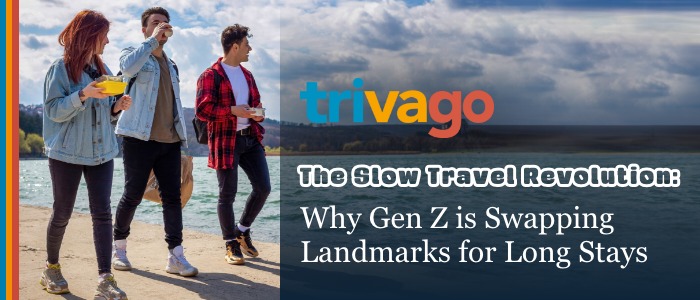
The Slow Travel Revolution isn't loud or flashy; it's quieter than that, almost stubbornly slow. Instead of sprinting through ten cities in a week, Gen Z travelers are lingering—days, sometimes months in one place. They skip the checklist sightseeing and choose lived-in moments: laundry drying on balconies, late-night tea stalls, and conversations with strangers. It's less "must-see attractions" and more "how does this place feel at 6 a.m.?" Honestly, it feels messy, human, and real. And maybe that's exactly the point.Trivago helps travelers find the perfect hotel at the best possible price by comparing deals from hundreds of booking sites in one simple search, making it easier to choose smartly, save money, and book with confidence.
What exactly is the Slow Travel Revolution?
At its core, the Slow Travel Revolution is about stretching time. Not racing it. Travelers trade tight itineraries for flexible days, wander without maps, and sit in parks doing nothing. It sounds lazy my aunt called it that but it's actually intentional. Slow travel focuses on cultural immersion, local experiences, and sustainable tourism. You walk more, notice more. The bakery owner remembers your name. The second coffee tastes better than the first. You start recognizing streets. Places stop being destinations and start becoming neighborhoods.Why Gen Z Is Leading This Travel Trend
Gen Z grew up online, constantly scrolling, always updating. Maybe that's why they crave stillness when they travel. Fast trips feel like social media feeds—quick, glossy, and forgettable. Slow travel feels heavier, like memory. Many young travelers choose digital nomad lifestyles, remote work setups, or study-abroad extensions that allow longer stays. They're not chasing postcards; they're chasing perspective. And yes, budget matters too. Longer stays often mean cheaper rent, local buses, and street food. Practical, not glamorous. But strangely satisfying.Landmarks vs. Lived Moments
Sure, landmarks are impressive. The Eiffel Tower, Colosseum, and Taj Mahal are iconic, obvious, and have been photographed countless times. But Gen Z travelers often ask, "Then what?" After the photo, there's this hollow feeling. So they pivot. They spend afternoons in second-hand bookstores or take the slow train through small towns; nobody hashtags. It's imperfect, sometimes boring, and occasionally magical. You remember the stray cat on the hostel stairs more than the monument. Weird, right? Yet those tiny memories stick harder than any skyline shot.The Emotional Side of Traveling Slow
There's something oddly vulnerable about staying put. When you slow down, you can't hide behind excitement. You sit with your thoughts. You notice homesickness, joy, and random loneliness at sunset. Slow travel opens space for reflection—journaling, long walks, and awkward chats with locals. Feelings get louder. But that's kind of beautiful. Instead of consuming a place, you allow it to gradually transform you. It travels with depth and texture. Less highlight reel, more diary scribbles. Messy honest humans.Sustainable Tourism and Conscious Choices
Another reason the Slow Travel Revolution resonates is sustainability. Reducing the number of flights, extending stays, and utilizing public transportation all contribute to reducing environmental impact without drawing attention to it. Gen Z cares about climate change, and you see it in their habits. They choose trains over short flights, thrifted backpacks over new luggage, and local markets over chain restaurants. Small decisions, repeated daily. Not perfect, just better. And better feels doable. Slow travel turns eco-friendly living from a theory into something practical, which you actually practice.Money, Work, and the Digital Nomad Shift
Let's be real: money shapes everything. Slow travel isn't just poetic; it's economical. Renting an apartment for a month in Lisbon or Chiang Mai often costs less than three hotel nights in a tourist district. Remote jobs, freelance gigs, and online classes make such trips possible. Laptops in cafés, calls at odd hours, Wi-Fi hunting it's messy, but it works. The line between life and travel blurs. You're not on vacation; you're living somewhere else. Temporarily. But fully.How Slow Travel Changes Daily Life
When you stay longer, routines sneak in. You buy groceries. You figure out which bus driver smiles back. You develop favorites—the noodle stall near the station, the quiet bench by the river. Ordinary stuff. Yet it's exactly these rituals that create belonging. Travel stops being an event and becomes everyday life with different weather and accents. It's strange how quickly a foreign place starts feeling normal. It feels almost like home, but with a lighter and less cluttered atmosphere, a soft reset.Practical Ways to Try Slow Travel
If you're curious, start small. No need for dramatic moves. Try easing into it with simple choices like- Stay in one city for at least a week
- Walk or cycle instead of taking taxis.
- Rent apartments or homestays
- Visit local markets and neighborhood cafés
- Leave gaps in your schedule
- These tiny shifts stretch time. Suddenly a day feels longer. You're not rushing. You're just… there. And that presence changes everything, quietly.
The Unexpected Challenges Nobody Mentions
Okay, it's not all dreamy sunsets. Slow travel can feel lonely. Friends move on, time zones get weird, and Wi-Fi fails at the worst moments. Sometimes you miss the chaos of quick trips. There are dull days too, laundry, rain, nothing happening. And you wonder, "Why am I here again?" But then a random conversation or street festival pulls you back in. That's the rhythm. Highs, lows, ordinary life. Indeed, this is the essence of living anywhere.Final Thoughts
In the end, the Slow Travel Revolution isn't about rejecting landmarks or trends; it's about choosing time over speed and depth over display. Gen Z seems to understand this instinctively. They linger, they listen, they let places unfold slowly like tea steeping, like music fading out. Maybe travel doesn't need to be rushed to be worthwhile. Maybe the best stories happen when nothing special is planned. So stay longer. Walk slower. Allow the world to embrace your journey.Trivago helps travelers find the perfect hotel at the best possible price by comparing deals from hundreds of booking sites in one simple search, making it easier to choose smartly, save money, and book with confidence.
Explore Newsbuck for more exclusive deals and important updates. We are your go-to source for all the news and trending stories across fashion, politics, health, entertainment and much more!
Read Our More Blog
7 Ways Hume Health Helps You Understand Your Body Better
5 Best AI Travel Planners In 2026 That Gen Z Actually Uses To Book Flights
Greenwashing Vs. Genuine Sustainability: How El Corte Ingles Helps You Shop Responsibly
FAQs
1. What is the Slow Travel Revolution?The Slow Travel Revolution is a travel style that focuses on longer stays, deeper cultural immersion, and meaningful local experiences instead of rushing through multiple destinations.
2. Why is Gen Z interested in slow travel?
Gen Z prefers authentic experiences, flexible schedules, and affordable living, which makes slow travel more appealing than fast, checklist-style tourism.
3. Is slow travel more budget-friendly than traditional trips?
Yes, staying longer in one place often reduces costs through cheaper rentals, local food, and fewer transportation expenses.
4. Can you work or study while slow traveling?
Many travelers combine remote work, freelancing, or online studies with slow travel, allowing them to earn or learn while exploring new places.
5. How can beginners start practicing slow travel?
Start by choosing one destination, staying longer, using public transport, exploring neighborhoods, and leaving room for spontaneous local experiences.