The Claims and the Response
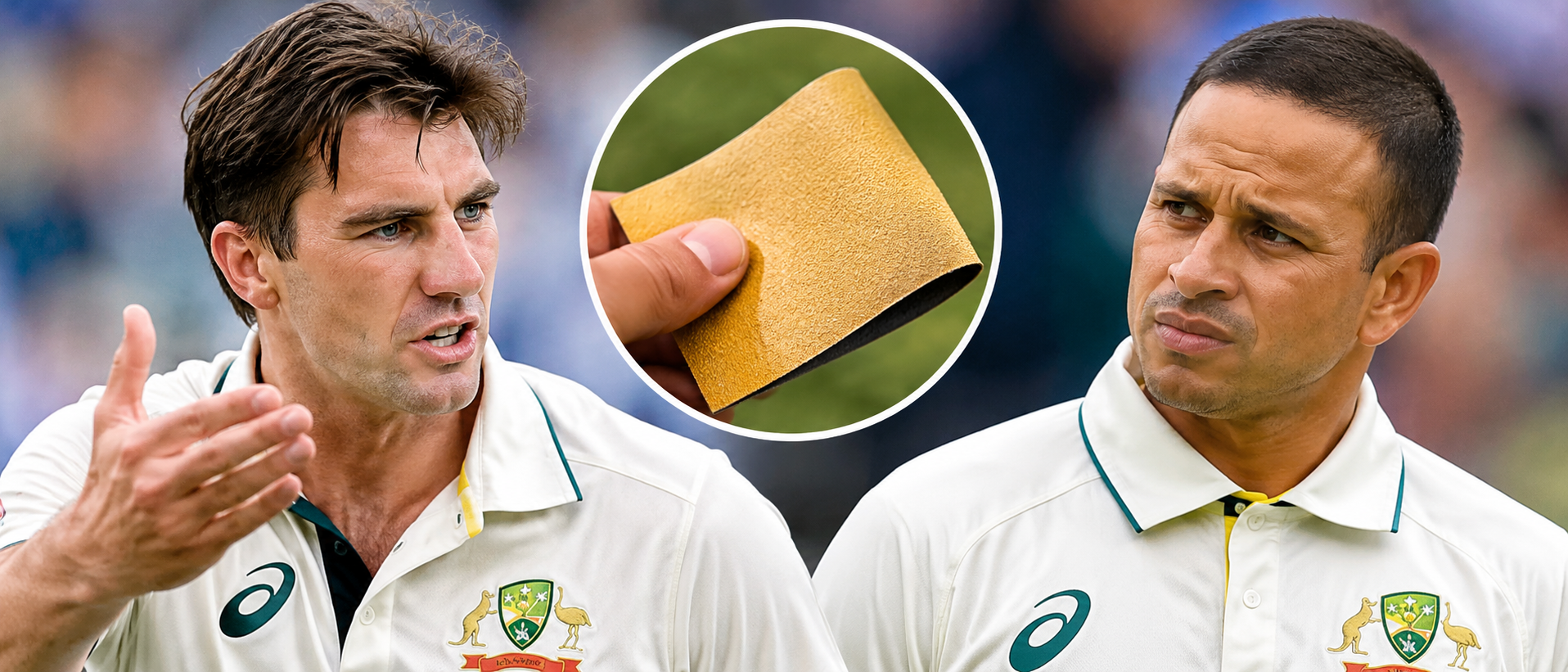
In 2018, Steve Smith, David Warner and Cameron Bancroft were punished for a plot to tamper with the ball using sandpaper during Australia's Test against South Africa in Cape Town. Khawaja has now published his autobiography, Sabr, in which he says the whole team, Cummins included, knew about the scheme and should have taken responsibility. He also alleges that a coach urged the team to find ways to make the ball swing, that Bancroft was later encouraged to cheat, and that two unnamed players rejected his request for the entire team to share the blame.
Cummins rejected all of it. "When he says we all knew, if by that he means we knew sandpaper was going out on the field, he's 100% wrong," he said. "I said that consistently for the last eight years. I did not know that was happening." He called the idea that he and others were architects of a scheme "complete and utter nonsense," and said he doesn't recall anyone suggesting the team should share responsibility.
There was no masterplan, he added: "There's no grand plan. There's no team meeting. There's no bowlers saying this is what must happen."
The pair played 56 Tests together before Khawaja retired in January, and Cummins stressed the personal hurt. "Usman is a friend, but friends aren't casual with each other's lives and reputations," he said. He supports Khawaja telling his story, but said "we have to be accountable for the things that we say and do." He began by promising to answer every question because, he said, "I don't want to talk about this again after today."
What Else Cummins Said
At times emotional, Cummins covered a wide range of topics. He was advised that some of Khawaja's claims are defamatory but won't take legal action. He has been in touch with Khawaja and Smith since the book came out, but not Warner. He believes the one-year bans for Smith and Warner and the nine-month suspension for Bancroft were "heavy handed." He has no recollection of tampering in the 2017-18 Ashes. He has met Cricket Australia chief executive Todd Greenberg, who has reviewed the original investigation files and, Cummins said, found the accounts "consistent."
He also explained why sandpaper could be in the dressing room: bowlers sometimes use it in training to practise with a reverse-swinging ball, and training balls can be scuffed with sandpaper or even a Stanley knife. He said he has seen only one case of ball-tampering in his career, in a Sheffield Shield match, when a player took a bottletop onto the field. Asked whether he must have suspected the Cape Town ball, he said bowlers often touch the ball as little as possible to keep it dry for reverse swing. He was 24 and playing his 13th Test at the time, and admitted noticing things then that he now realises could have been cheating.
On the culture of that era, he said: "I didn't like the way we spoke to umpires, the opposition. I think there was a bit of an arrogance and a bit of an ugliness at times that didn't sit well with me as a young guy." As captain, he said, he has worked to change that.
A Divided Dressing Room
The row has reopened debate over the investigation, the culture of Australian cricket and the reputations of those involved, dominating headlines in Australia and around the cricketing world. Warner and seam bowler Chadd Sayers have backed Khawaja. Darren Lehmann, then head coach, his assistant Graeme Hick and bowler Mitchell Starc have rejected the claims. Cummins, Starc, Josh Hazlewood and Nathan Lyon formed the attack in Cape Town and remain Australia's first-choice bowlers eight years later. All four have long denied any knowledge of the plot, including in a joint statement in 2021.
Khawaja also criticised the investigation, noting he wasn't interviewed despite sitting next to Bancroft in the changing room during the Test. Greenberg has said he will not reopen it. Warner, working as an analyst for the one-day series against England, stuck to his position. "I stick with Uzzie. It's the truth. The captain threw Uzzie under the bus," he said. "I feel it was a botched investigation. This won't rest."
Cummins faced more than a dozen TV cameras and a large group of reporters, answering questions patiently and carefully, and even waved off a Cricket Australia minder who tried to wrap things up. He rejected speculation that his captaincy is under threat and admitted he was struggling to square a long friendship with the events of the past week. He was also frustrated that the scandal remains a distraction. "It's been eight years. We're moving on. So you have got to draw a line at some point."
Unlike others who have faced the media in recent days, Cummins didn't dodge a single question, and he came across as a credible witness. Whether it ends the speculation is another matter. He cannot prove a negative, and Khawaja and Warner are likely to have more to say.