Prosecutors Lay Out Their Case
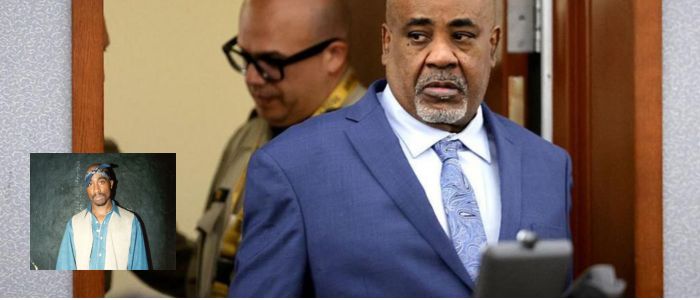
Chief Deputy District Attorney Binu Palal opened by telling jurors that Davis organized the attack to avenge a beating his nephew had suffered earlier that same night. Palal said the evidence would come largely from an unlikely source: Davis's own words. Years after the shooting, Davis co-authored a memoir published in 2019 in which he described riding along as a passenger in the car used in the shooting, and admitted handing the weapon to his nephew, Orlando Anderson, who then fired the fatal shots.
Davis's legal team pushed back hard, calling the entire narrative fabricated. Attorney Michael Sanft asked jurors why, after nearly thirty years, no real evidence had ever surfaced to support the charges, and questioned why no other party had corroborated the story. The defense has consistently argued that portions of the memoir were exaggerated or invented to boost sales, and that it should never have been allowed as courtroom evidence. A judge disagreed and permitted prosecutors to use it.
According to the prosecution, the chain of events began when Davis gathered a group of men and two cars, including a white Cadillac carrying his nephew and two others, and headed toward a Las Vegas nightclub. Along the way, the group spotted Shakur riding with Death Row Records co-founder Marion "Suge" Knight. Palal told jurors the group had first planned simply to buy alcohol and return to the strip to keep the night going, but instead made a U-turn to confront the pair. Sitting in the passenger seat, Davis allegedly passed the gun to Anderson, who opened fire into Shakur's vehicle.
A Case Built on Silence
The trial also revisited the broader backdrop of the killing: the fierce East Coast versus West Coast rivalry that defined 1990s hip-hop, and the gang conflict between the Bloods and Crips that ran alongside it. Investigators testified that the case stalled for years largely because witnesses refused to talk, a reflection of an unwritten rule in gang culture that staying quiet often means staying alive. Even Shakur himself declined to name a suspect. A former Las Vegas police officer, Garry Dale, told jurors he rode in the ambulance with the wounded rapper after the shooting on September 7, 1996, following a Mike Tyson boxing match, and that Shakur refused to say who had shot him, telling the officer only, "We'll take care of it." Shakur died six days later at age 25.
The defense argued that decades of shoddy detective work, missing paperwork, and witnesses whose accounts shifted over time have left the case built on shaky ground. Attorneys claimed that some witnesses had financial incentives or criminal histories that made their statements unreliable, and suggested others changed their stories after being influenced by media coverage or investigators themselves.
Witness Recalls Chaos on the Strip
One witness who was on the road that night, Ingrid Stokes, told the court she and her friends had crossed paths with Knight and Shakur and were invited to follow them to a club. During the drive, she noticed another car tailing them aggressively. At a red light, she and her friend paused to switch seats, worried about the vehicle behind them. Moments later, gunfire erupted. "We were head down, taking our seat belts off, when we heard the gunshots," she recalled. "All hell broke loose."
The trial is expected to run for several weeks, with prosecutors planning to call additional witnesses, investigators, forensic experts, and possibly well-known figures connected to the case.