
Introduction
⛰️ Hit TrailsSo you're finally planning that trip. Maybe it's a weekend in the hills, maybe it's a week-long trek somewhere with no cell signal. Either way, here's the thing nobody tells beginners enough: the difference between a trip you brag about and one you barely survive usually comes down to gear. Not luck. Not fitness level. Gear. That's why getting your camping & hiking equipment sorted before you leave matters way more than people assume.
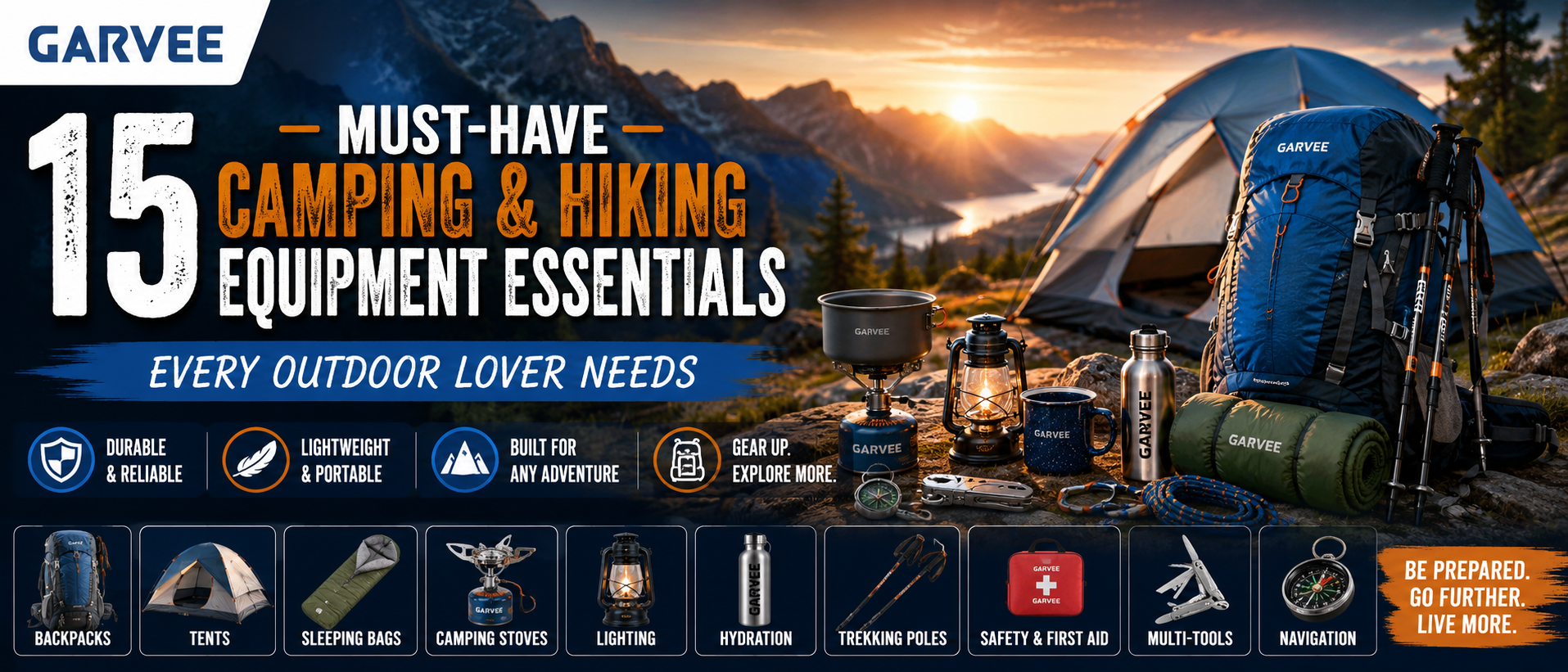
If you're looking for dependable outdoor gear, Garvee offers a wide range of camping and hiking essentials designed to help you stay prepared, comfortable, and ready for every adventure.
I've made the mistakes so you don't have to. Forgot a headlamp once. Once. Never again.This list covers the actual essentials, the stuff that shows up in every seasoned hiker's pack, not the gimmicky items that look cool on Instagram and then just add weight. We'll go through tents, boots, cooking gear, safety kits, all of it. By the end you'll have a clear picture of what outdoor camping supplies actually deserve a spot in your bag.
Why Camping & Hiking Equipment Deserves More Thought Than You're Giving It
Here's a mistake I see constantly. People buy whatever's cheapest, or whatever's trending on some gear review channel, and call it a day. Then three miles in, the backpack straps start digging into their shoulders and suddenly the trip isn't fun anymore.Good equipment for trekking isn't about spending the most money. It's about matching the gear to the terrain, the season, and honestly, to your own body. A six-foot-tall guy and someone five-foot-two need different pack sizes. Obvious when you say it out loud, but somehow people skip this step all the time.
Let's get into the actual list.
1. A Reliable Backpack
Your backpack is basically your home for the trip. Everything lives there. Look for one with adjustable torso length, padded hip belts, and a capacity that matches your trip duration. Day hike? 20-30 liters is plenty. Multi-day trek? You're looking at 50-65 liters, sometimes more.Try it on loaded, not empty. An empty pack feels great in the store. Add 25 pounds and suddenly that "comfortable" strap isn't so comfortable.
2. Tents That Actually Match Your Trip
Not all tents are created equal, and this is one area where outdoor camping supplies really vary in quality. A three-season tent works for most trips. If you're heading into serious cold or high altitude, you'll want a four-season option with sturdier poles and better wind resistance.Weight matters too, especially if you're hiking in. Nobody wants to carry a 9-pound tent for 12 miles. There are ultralight options now that weigh under 3 pounds and still hold up fine in moderate weather.
3. Sleeping Bags Rated for the Right Temperature
This one trips people up constantly. They buy a sleeping bag rated for 50°F, take it camping in October, and spend the night shivering, wondering where it all went wrong. Check the temperature rating against the actual conditions you'll face, and honestly, buy for colder than you expect. Better to be too warm than freezing at 3am with no backup plan.4. Sleeping Pads
People underestimate sleeping pads. It's not just about comfort, though that matters too. Pads insulate you from the cold ground, which pulls heat away from your body way faster than air does. Foam pads are cheap and durable. Inflatable ones pack smaller and feel more comfortable but can puncture, so bring a repair kit either way.5. Hiking Boots That Fit Before You Hit the Trail
I'll say this plainly: never, ever wear brand new boots on a big hike. Break them in first. Walk around your neighborhood, do a short trail, get a feel for where they rub. Blisters five miles into a ten-mile hike will ruin your day and possibly your feet for the rest of the trip.Choose boots based on terrain. Rocky, uneven ground needs more ankle support. Well-maintained trails might be fine with trail runners instead of heavy boots.
6. Moisture-Wicking, Layered Clothing
Cotton is, honestly, kind of the enemy out there. It holds moisture, dries slowly, and can leave you cold and damp for hours. Go with synthetic or merino wool layers instead.Layering system, roughly:
- Base layer that wicks sweat away from skin
- Insulating layer (fleece or a light puffy jacket)
- Outer shell that's waterproof and windproof
7. Navigation Tools
Phones die. The signal disappears. Screens crack. Carry a physical map and compass as backup, and actually know how to use them before you need to. A GPS device is a nice addition too, particularly for remote trekking where trails aren't always well marked.8. Water Filtration and Purification Systems
This might be the single most important item on this whole list, and it's a core piece of any best hiking survival kit. Dehydration sneaks up fast, and untreated water can carry bacteria or parasites that'll wreck your trip (and possibly your gut, for weeks).Options include:
- Filter pumps
- UV purifiers
- Purification tablets
- Gravity-fed filter systems
9. A Reliable Cooking System
Camp stoves have come a long way. Compact, lightweight, efficient ones exist now that boil water in under three minutes. Pair yours with a small pot, a lighter (and waterproof matches as backup, because lighters fail), and lightweight, high-calorie food.Freeze-dried meals have gotten genuinely good, by the way. Not the sad, flavorless stuff from a decade ago.
10. First Aid Kit (Build It, Don't Just Buy the Cheapest One)
A proper first aid kit is non-negotiable, full stop. This is where a lot of the best camping items overlap with genuine safety necessities. At minimum, include:- Bandages and gauze
- Antiseptic wipes
- Pain relievers
- Blister treatment (moleskin is a lifesaver, literally)
- Any personal medications
- Tweezers for splinters or ticks
11. Headlamp and Backup Light Source
Forgetting a headlamp is genuinely one of the worst camping mistakes you can make. Trust me on this one. Darkness in the backcountry is a different kind of dark, and fumbling for your phone flashlight while setting up camp or dealing with a nighttime bathroom trip gets old fast.Bring extra batteries. Always extra batteries.
12. Multi-Tool or Knife
A solid multi-tool handles everything from food prep to gear repairs to first aid situations. It's small, it's light, and somehow it always ends up being useful in ways you didn't expect. Cutting rope, fixing a broken zipper pull, opening food packaging, the list goes on.13. Fire-Starting Tools
Waterproof matches, a lighter, and a fire starter kit (ferro rod, tinder, whatever works for you). Fire means warmth, means the ability to cook, means, in an emergency, a signal for rescue. Don't rely on just one method. Weather can make things damp and unpredictable fast.14. Emergency Shelter or Bivy Sack
Beyond your main tent, a compact emergency shelter or bivy sack weighs almost nothing and could genuinely save your life if something goes sideways. Injured, lost, weather turned bad unexpectedly? This is exactly the kind of item that separates a scary story from a real tragedy.15. Trekking Poles
Underrated, honestly. Trekking poles reduce strain on your knees, especially going downhill, and improve balance on uneven or slippery terrain. If you're doing any kind of serious equipment for trekking shopping, don't skip these just because they seem optional. Your knees will thank you in ten years.Building Your Best Hiking Survival Kit: A Few Extra Thoughts
Beyond the fifteen items above, think about trip-specific additions. Bear canisters if you're in bear country. Insect repellent and a head net if you're somewhere buggy (mosquitoes in June are no joke). Sun protection, always, even on cloudy days, because UV doesn't care about clouds.Also, and this one's easy to overlook: tell someone your route and expected return time before you go. Not gear, exactly, but it might be the most important safety step on this entire list.
Final Thoughts
At the end of the day, camping & hiking equipment isn't about having the flashiest gear or the longest packing list. It's about being prepared, staying safe, and actually enjoying the outdoors instead of stressing over what you forgot back home. Start with the essentials covered here, invest in quality where it counts (boots, backpack, shelter), and build out your collection of outdoor camping supplies as you gain more experience.For reliable gear that supports every stage of your outdoor journey, Garvee offers a wide selection of camping and hiking equipment designed for comfort, durability, and convenience.
Every seasoned hiker's kit started somewhere, usually with a much shorter, much less refined list than this one. Yours will evolve too. Just get the basics right first, and the rest tends to fall into place.
⛰️ Hit Trails
Explore Newsbuck for more exclusive deals and important updates. We are your go-to source for all the news and trending stories across fashion, politics, health, entertainment and much more!
FAQs
1. What's the most important item on a best hiking survival kit list?
Honestly, it depends on the trip, but water filtration and a first aid kit are usually at the top. Dehydration and untreated injuries cause more trip-ending problems than almost anything else out there.
2. How much should I spend on camping & hiking equipment as a beginner?
Start with mid-range gear for the big items (boots, backpack, tent) rather than going ultra-budget or premium right away. You can always upgrade specific pieces once you know what type of camping or hiking actually suits you.
3. Do I really need trekking poles, or are they optional?
They're not strictly required, but they genuinely help with knee strain and balance, especially on longer or steeper trails. If you're doing occasional flat-trail day hikes, you can probably skip them. Anything more demanding, they're worth the investment.