From Escalation to Temporary Ceasefire
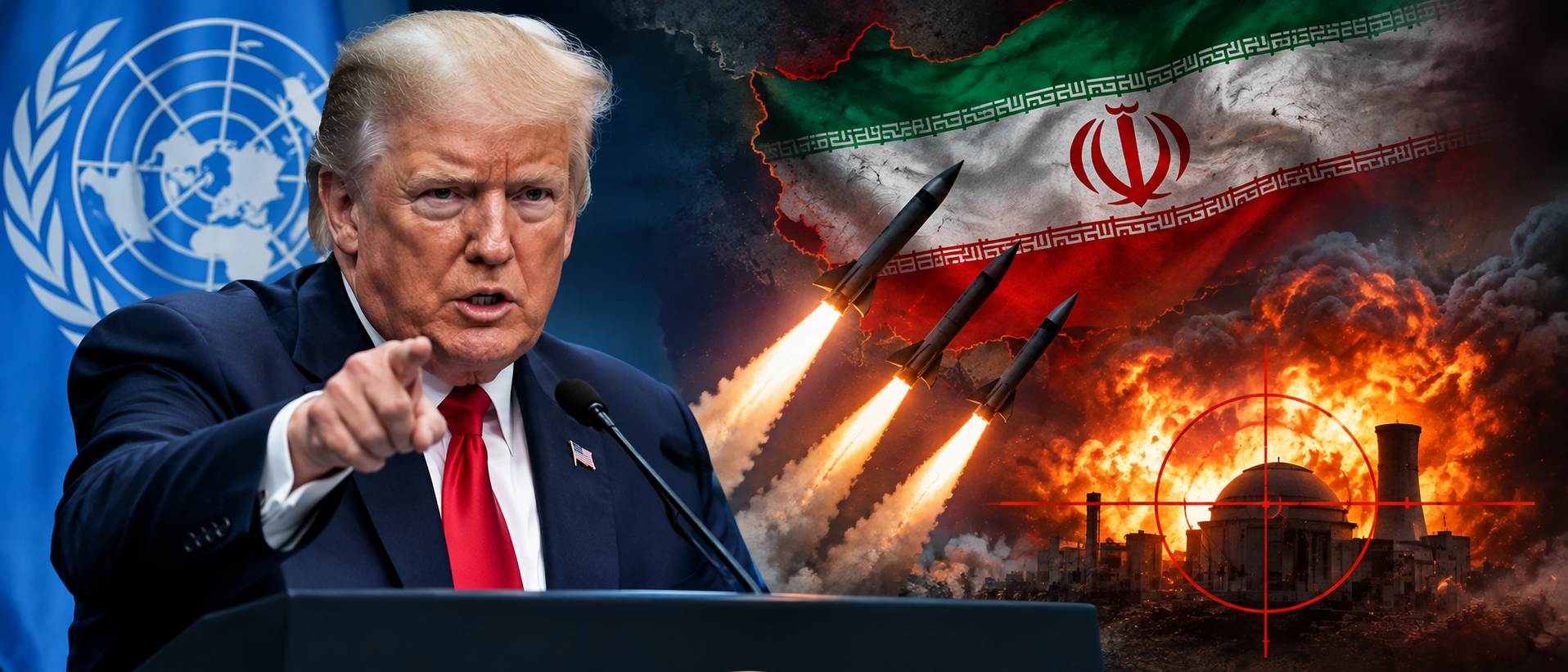
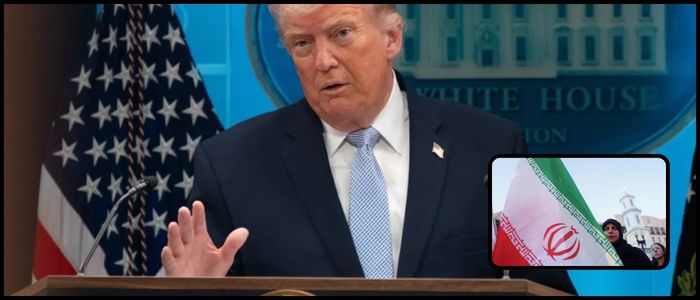
In warning that the US would destroy Iran's infrastructure including power plants and bridges if Iran failed to meet US demands, Trump announced that Iran now had a "workable" plan and that the US and Iran would agree to a temporary ceasefire prior to a deadline.
While it is likely that the cease-fire will allow for negotiation and to reach a long-term resolution, the United States made its progress by already meeting its military goals and making continued progress towards a long-term peace agreement in the Middle East.
While visible diplomatic efforts took place between the US and Iran as it relates to de-escalation, the role of Pakistan as a primary intermediary and China as an implicit contributor were significant to reaching the de-escalation agreement. Pakistan's Prime Minister, Mr. Shehbaz Sharif, reportedly urged President Trump to extend his deadline so that sufficient time would be allowed for continued negotiations.
As part of the cease-fire agreement, both Iran and Oman will begin to assess a fee for any ships passing through the Strait of Hormuz, which is far different than how the Strait has been operated in the past as an international waterway free from tolls.The Strategic Risks Referred to in the Decision to Cease Fire.
The strategic risks of deeper military engagement appeared to be one of the primary reasons for the shift in decision. Controlling the Strait of Hormuz — a major shipping corridor where about 20% of the world's oil supply passes — would require a significant long-term military commitment.
According to experts, securing this area would involve the requirement of controlling approximately 600 kilometers of Iranian territory; and deploying between 30,000 - 45,000 troops would likely require decades of sustained effort.
Numerous scenarios exist in which there may be another long-term military engagement similar to what was experienced with vault or Vietnam, creating confidence that the Iranian leadership is demonstrating to engage over the long-term even when experiencing high levels of loses.
The desire for a long-term military conflict resulted in Trump's decision not only being negatively influenced by the political desirability of avoiding "forever wars" as an additional strain on US resources and public support.
With Mixed Political and Global Reactions to Cease-Fire Decision
The response of the US Congress to the cease-fire decision was varied, with some lawmakers saying that the agreement gave Iran greater leverage over the Strait of Hormuz. Senator Chris Murphy described the development as a strong advantage to Tehran.
Globally, there were numerous concerns cited around Trump's earlier threats, with Pope Leo XIV commenting that targeting civilian infrastructures was a violation of international law.
The White House defended the action as creating the basis for diplomatic engagements by creating a diplomatic environment via military pressure, according to Press Secretary Karoline Leavitt, ultimately paving the way for a durable peace agreement.
Continuing the Via a Common Practice Used by Trump
This pattern of behaviour is consistent with how Trump has executed other major decisions; he typically begins by making unreasonable demands that he will then later reduce in scale during negotiations for those actions.
Historical patterns of this style of leadership have been experienced during trade negotiations and international relations as in those same circumstances the President began with more aggressive demands than ultimately achieved what has been agreed upon.
Trump has also used an onusive two-week period of time to evaluate his strategic, political options and deal with pressures of major political issues.
Although there is uncertainty about how effective the two-week cease-fire will be between the US and Iran as diplomatic solutions are sought, there is a large amount of historical mistrust and both sides have high expectations which will likely cause complications in reaching any form of a long-lasting agreement.
Nevertheless, the two-week cease-fire will provide many opportunities to seek diplomatic engagement between the US and Iran in the future and is a form of acknowledgement that resolving the Iranian situation will require a delicate balance of military power, rather than diplomatic efforts.