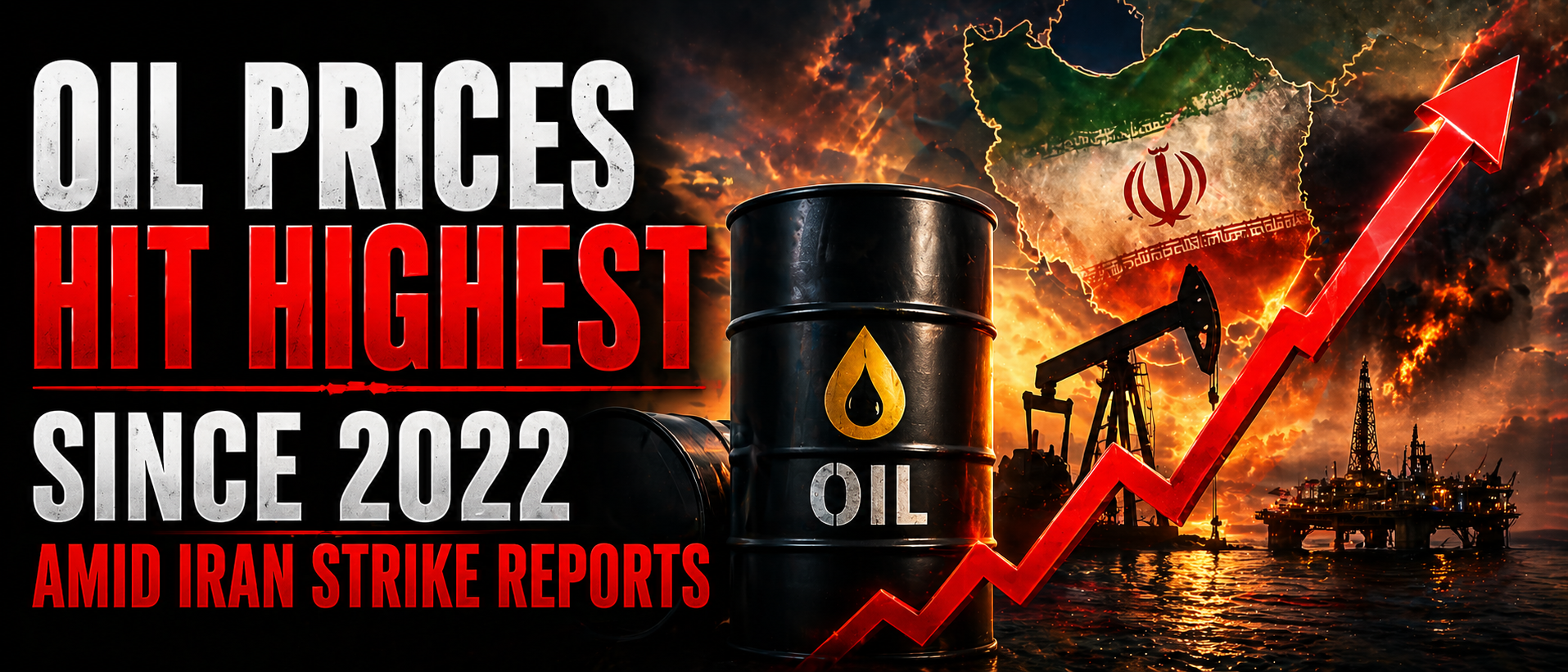
At one point, Brent crude was up around 7%; however, it subsequently settled above $126 per barrel for short durations of time throughout the day. Similarly, WTI crude oil traded on the NYMEX in the U.S. also rose approximately 2.3% to about $109 per barrel. The July Brent futures contract was trading approximately 2% higher at about $113 during morning trading in Asia.
The reports indicated that U.S. Central Command prepared a comprehensive plan to conduct a series of quick and coordinated strikes against Iran in order to break the current standstill in negotiations with Tehran. Another separate plan allegedly involved developing a strategy to seize some portion of the Strait of Hormuz and reestablish shipping in that waterway for commercial shipping.
If true, this would necessitate deploying forces into Iran, possibly involving ground troops. All of these reports remained unconfirmed by any affiliated government agencies at the time of this writing.
Energy Markets Respond to Escalation Fears
Energy Prices Continued Upward Progression Last Week Amid Stalled Negotiation Efforts Between the U.S. And Iran And The Effective Closure Of The Strait Of Hormuz To All Commercial Maritime Trade.The waterway carries about one-fifth of the world's energy supply and is therefore a source of serious global concern if any disruption lasts for more than a short period of time. Oil traders reacted immediately to the risk of further military actions occurring in the Gulf.
An economics professor at Nanyang Technological University said that a very small chance of the current conflict escalating would most likely have a disproportionate impact on world energy supplies. An oil analyst at Kpler reported to a television station that oil prices approaching $125 per barrel are the level at which both businesses and governments begin to show much greater concern, which could cause additional efforts towards reducing tensions.
He also stated that increasing oil prices not only create a second-order inflationary effect on fuel prices but also on oil-based products as well as inflation in general and essentially affect all aspects of society. Oil prices increased the previous day by 6% based on separate reports that indicated that Washington was preparing for an extended blockade against Iran.
Economic Pressure On The Trump Administration
The United States has said that it will maintain a blockade on Iranian ports as long as Iran continues to pose a threat to vessels using the Strait of Hormuz. As a result, Iran has indicated that it will respond to American and Israeli airstrikes by threatening to attack any vessels going through the waterway. Energy industry executives met with President Trump on Tuesday to discuss ways to mitigate the impact of the war on American consumers, further increasing market pain due to a long-term interruption to energy supplies.
A Raymond James investment manager stated on television that people are becoming increasingly concerned about the inflationary effects of increasing oil prices and questioned how long the current administration will be able to tolerate the economic pressure generated by the escalating conflict. In general, analysts are concerned that because there is no clear path to reducing tensions, the effects on global energy markets, consumer pricing, and the stability of economies will most likely worsen substantially in the upcoming weeks.