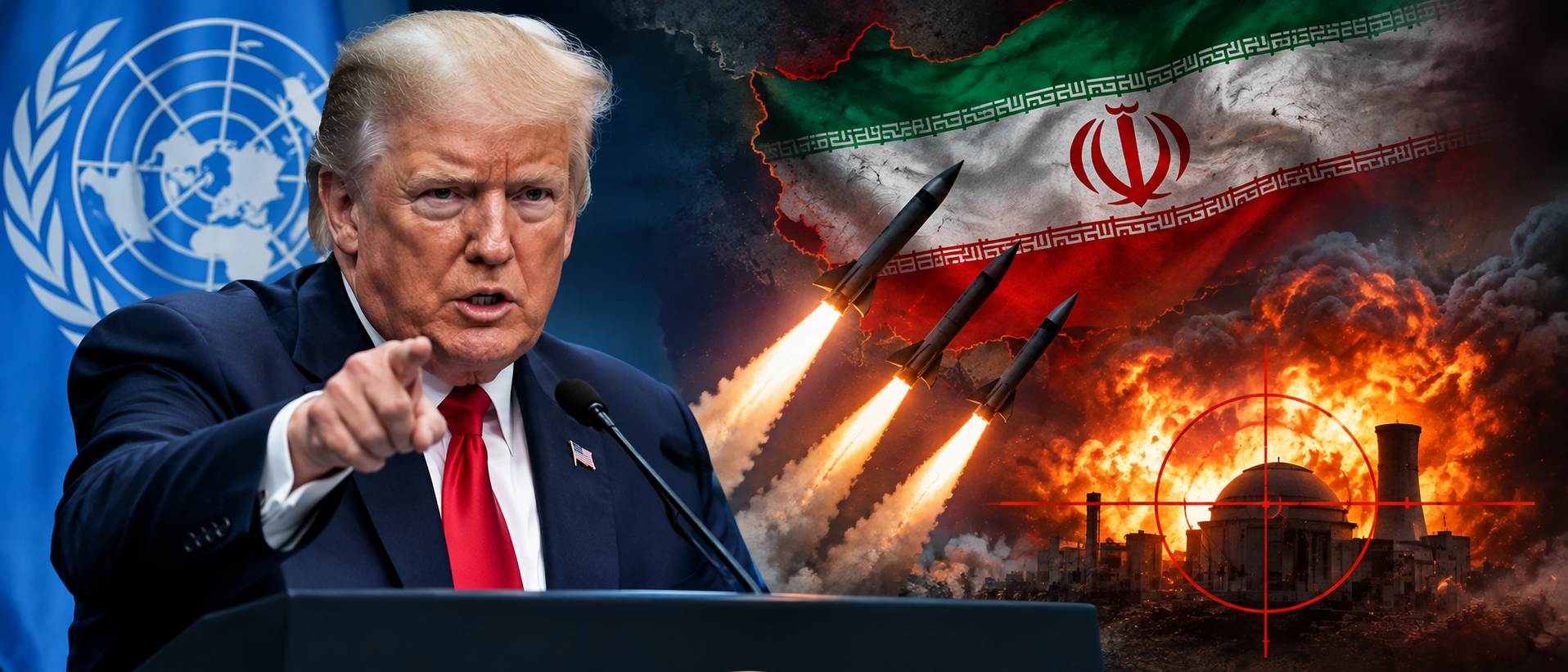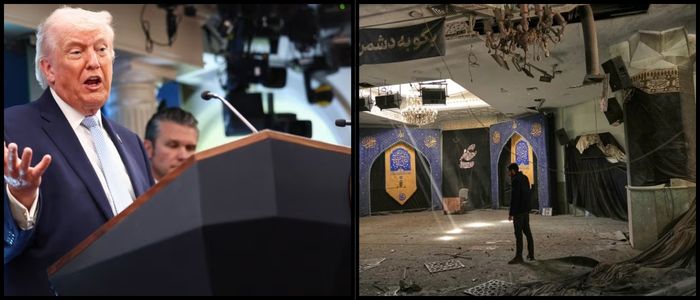
Trump's Threats and the Deadline Trump is giving Iran until 8 p.m. Tuesday (Wednesday at 3:30 a.m. Tehran time) to strike a deal or he will take severe military action against them. He says that the United States will destroy critical parts of Iran's infrastructure, including bridges and power plants, describing the anticipated attack as "complete demolition."
These threats were made publicly and reiterated through Trump's tweets after announcing those plans, as well as mentioning attacks on oil wells and water desalination facilities. Furthermore, the conflict around the Strait of Hormuz is very important for global energy supplies and is a substantial part of the conflict.
Although Trump has used similar time limits on Iran in the past, he has pushed those time limits back and, thereby, created uncertainty of whether he will go through with these threats.
Iran's Response and Increased Tensions Iran has responded defiantly to Trump's threats by saying that they are not valid and that they would respond heavily if attacked. An Iranian official said that if tensions escalate, they would retaliate in a massive way.
Also, the Iranian Foreign Ministry condemned the U.S. by saying that the conflict is unjust and encouraged the American people to hold their government responsible for the conflict.By accusing both the United States and Israel of hitting civilian infrastructures them, Tehran argues that these attacks are already being conducted. Examples of such attacks include the bombings of many important facilities that are located close to the capital city and have included multiple attacks on the Bushehr Nuclear Power Facility.
International law and the question of war crimes
According to experts, attacking civilian infrastructures can violate the Geneva Conventions. The Geneva Conventions ban attacks against facilities that are needed for the survival of civilian people (for example, water supplies and energy).
Some infrastructures can be attacked based on having both a civilian and military function, so it could be justifiable for Trump to threaten to attack all power plants because they could potentially have military capacity. According to legal experts, this scale of targeting would likely not only damage the infrastructure of the party being targeted but cause great harm to civilians as well.
Former Army JAG Corps attorney Margaret Donovan said that it is possible that some attacks on infrastructures can be legally justified. However, the scope of the current threats and their broader tone suggest an increased risk of violating international law. Other countries, via secret diplomatic channels, have warned the United States that they are worried about the impact of these actions on their own infrastructures.
The White House has defended its stance, stating that the United States will adhere to international law, but Trump dismissed the legal concerns and confirmed that he thinks the only priority is to prevent Iran from acquiring nuclear weapons.
Future of negotiations and uncertainty of outcome
Negotiations to resolve the conflict are continuing, but major obstacles exist to make negotiations successful. Trump has stated that Iran is currently involved in talks and progress is being made. Countries such as Pakistan, Egypt and Turkey have acted as intermediaries.
However, the negotiations have not gained traction. After submission of a 45-day cease-fire and reopening the Strait of Hormuz, both sides rejected the proposal. Trump referred to the proposal as an adequate step forward, but insufficient, while Iran argued that a brief pause only provided Iran with an opportunity to prepare for further fighting.
Instead, Iran has proposed its own conditions for a permanent peace to the war based upon its own terms. Since both sides hold ground on their own conditional positions, the likelihood of achieving quick agreement is tenuous.
As the deadline for a cease-fire approaches, and since tensions continue to increase, the situation presents significant challenges to prevent escalation of the current conflict and presents many significant legal and humanitarian issues due to the possibility of military action.