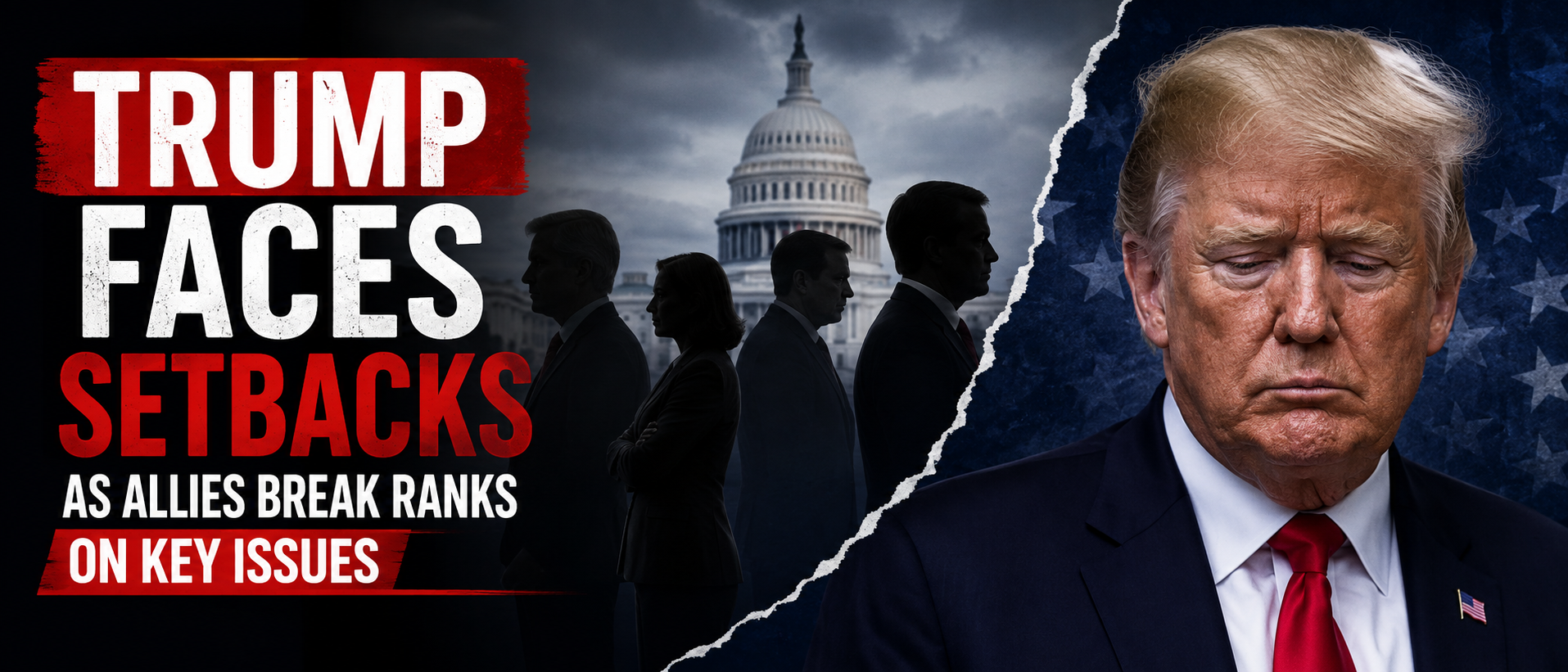
The most straightforward of the three setbacks involves the Reflecting Pool case near the Washington Monument. US Attorney Jeanine Pirro, a longstanding Trump ally and former television personality, moved to drop felony destruction of property charges against former Olympian David Hearn. Federal prosecutors had accused Hearn of intentionally damaging the Reflecting Pool, but Pirro concluded after reviewing the evidence that the damage was the result of a failed installation project rather than vandalism. In a 20-page court filing, she acknowledged that misleading information from the Department of Interior had led to the original decision to prosecute. Facing a trial before a judge and potentially skeptical jury with thin supporting evidence, she walked away from the case.
Trump had publicly embraced the vandalism theory and was not willing to let it go quietly. He criticised Pirro's decision in a social media post and returned to the topic again from the Oval Office on Monday, delivering one of his more colourful assessments of her decision with the line that she had folded like an umbrella.
The Attorney General Nomination and the Senate Math
A more consequential battle played out on Capitol Hill, where Trump's former criminal defence attorney Todd Blanche was running into serious trouble in his bid to be confirmed as permanent attorney general. Two Republican senators, John Cornyn of Texas and Thom Tillis of North Carolina, joined Democrats in blocking Blanche's nomination. Their condition for moving forward was a formal written disavowal of any intention to revive the proposed $1.8 billion anti-weaponisation fund, a pool of money that would have compensated individuals who claimed to have been subjected to politically motivated government prosecution. Tillis publicly described the fund as a payout for those convicted in the aftermath of the January 6 Capitol riot.
Trump responded on social media by declaring that he would keep Blanche on in an acting capacity and continue pushing for the fund through legislation. By the following day, however, the political reality had asserted itself. Blanche had provided the senators with two letters formally addressing their concerns, satisfying Cornyn and Tillis enough to move forward. Trump handled this situation differently from the Pirro case, telling reporters at the White House on Monday that he had not reviewed the documents and did not know what had been agreed. It was a notable contrast in tone for a president who rarely misses an opportunity to assert control, and it suggested the White House calculated that the path of least resistance was the wiser approach in this instance.
Iran and the Approval Rating Nobody Wants to Acknowledge
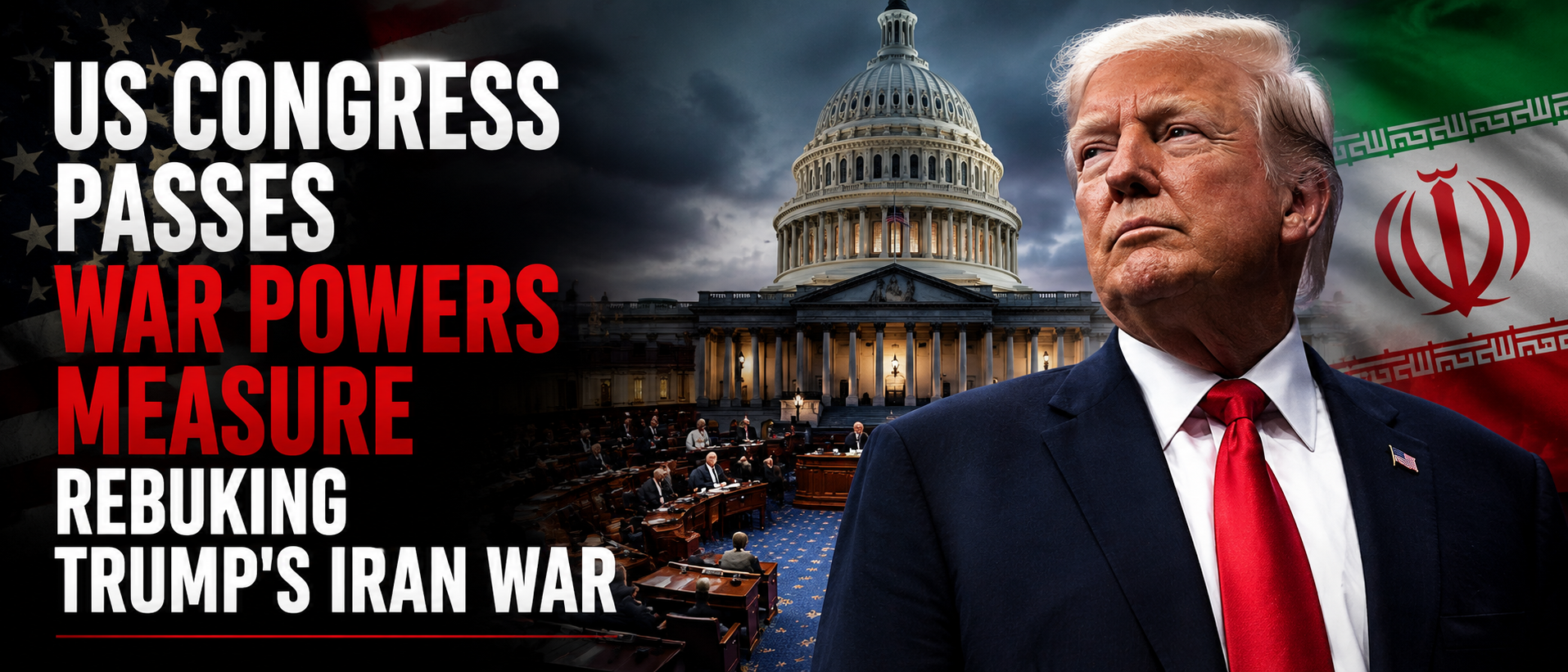
The biggest challenge remains the war with Iran, which has entered yet another phase of mixed signals and fragile diplomacy. Trump announced over the weekend that he had called off what he described as a planned strike of unprecedented scale at the request of Iranian officials and Arab intermediaries, and that new negotiations would begin on Monday. By Monday itself, he was posting about Iranian duplicity after Tehran denied that any new direct talks had been requested. The pattern is familiar and discouraging, with diplomatic announcements followed quickly by contradictions, and no sustained progress toward an end to the conflict that is now approaching six months in duration.
The political cost of that stalled war is becoming harder to ignore. Recent polling from multiple organisations places Trump's approval rating at 33 percent, a figure that matches or sits below his ratings in the immediate aftermath of the Capitol riot of 2021, and is historically low for a second-term president, sitting above only Richard Nixon among modern occupants of the White House during their second terms. Trump's response to the numbers follows a consistent pattern of dismissal, insisting that his real polling numbers are the best they have ever been.
Whether voters agree will begin to be tested in November's congressional midterm elections, where Republican majorities in both chambers of Congress are on the line. Trump has defied difficult poll numbers before, but the cumulative weight of these setbacks suggests a president who is managing more simultaneously than his allies are currently equipped to absorb with him.