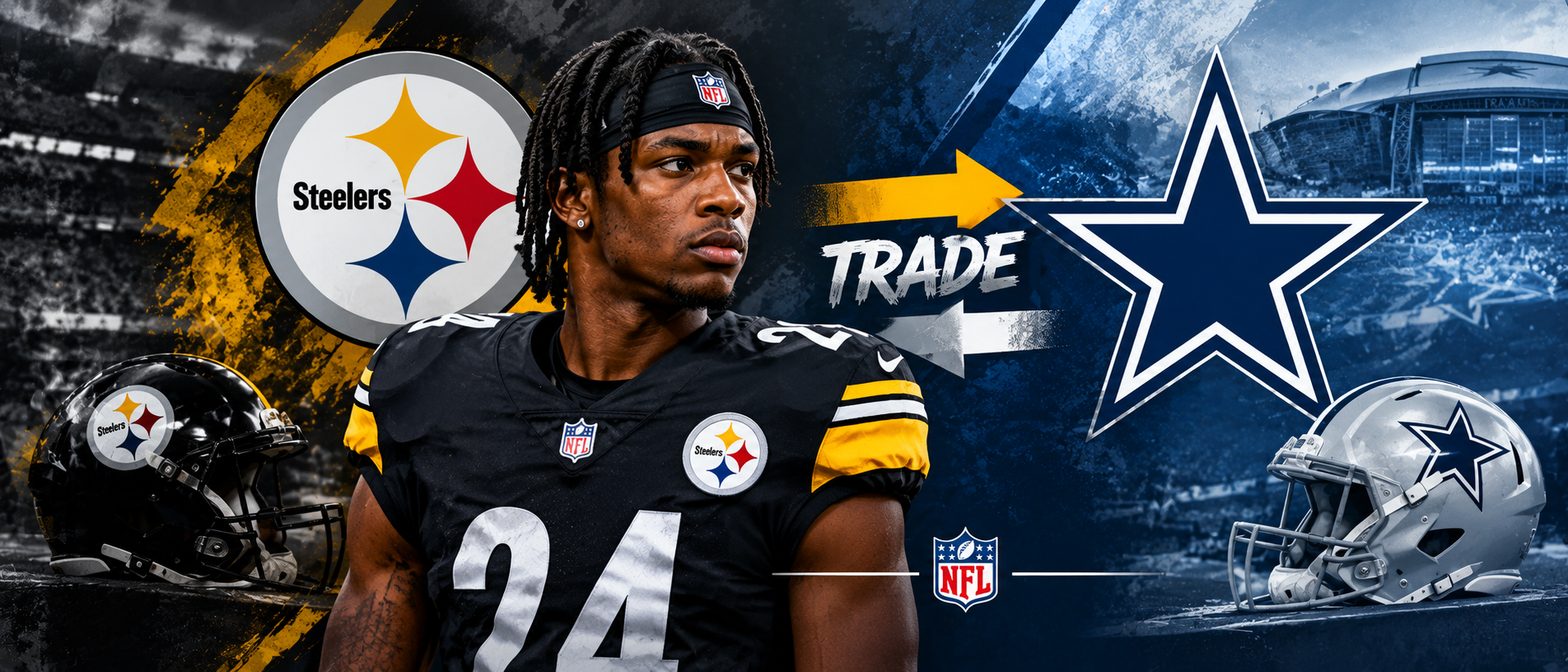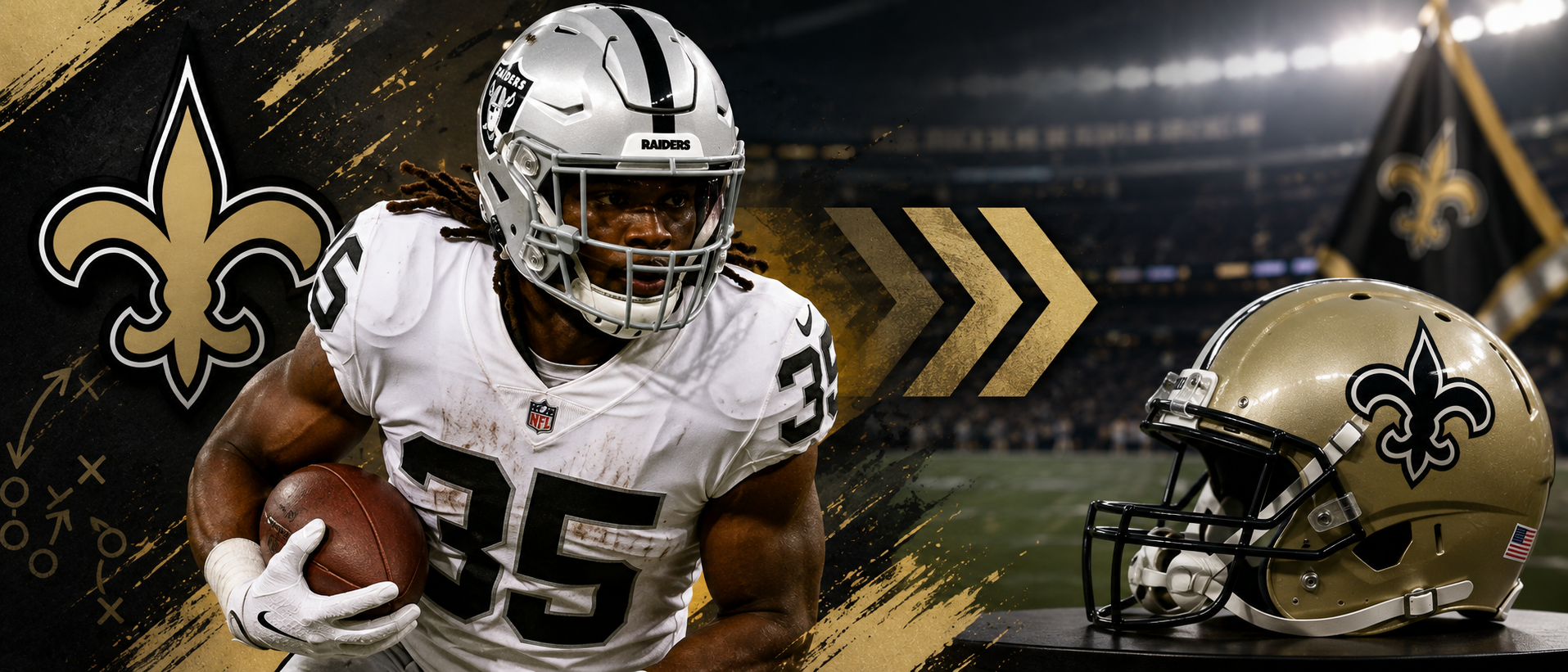
White's arrival in New Orleans comes just under two weeks after he originally signed with San Francisco on a one-year, $1.2 million contract. At the time, he was expected to sit near the bottom of the 49ers' running back depth chart. Now, with the Saints, he could see real playing time much sooner than anticipated. White has spent his entire NFL career with the Las Vegas Raiders up to this point, appearing in 45 games and rushing for 736 yards over four seasons, and has never taken a snap for another franchise.
Why New Orleans Needed the Depth
Jones, on the other hand, had only joined the Saints roster on August 7 through a one-year deal worth $1.3 million. He spent his first six NFL seasons as a full-time starter for the Atlanta Falcons before settling into a reduced role across three different teams over the past four years. Most recently, he played for the Tampa Bay Buccaneers, recording 29 tackles across 17 games last season.
New Orleans' backfield situation has become increasingly thin. Beyond Kamara's injury, running back Devin Neal aggravated a hamstring injury during Saturday's preseason contest, while Audric Estime injured his ankle in the team's preseason opener. That combination of injuries left the Saints without their second, fourth, and fifth options at running back heading into the trade. Adding White gives the position group some much-needed stability through the rest of training camp, and he should be able to handle a handful of snaps early in the regular season if needed.
A Low-Risk Move for Both Sides
For New Orleans, boosting depth at running back without adding to the salary cap represents a smart, low-cost solution, particularly since Jones wasn't guaranteed a roster spot to begin with. He had been viewed internally as a fourth-string option and a realistic candidate to be cut.
On the 49ers' side, the trade fills a real need at linebacker, where San Francisco had been relying primarily on Fred Warner and Tatum Bethune. Jones slots in as a third option and could even challenge Bethune for the primary backup role, though Bethune's eight starts last season, filling in after Warner's serious ankle injury, still make him a valuable piece of the team's plans.
In terms of what San Francisco gave up, White was, at best, sixth on the depth chart behind starter Christian McCaffrey. While losing depth behind McCaffrey always carries some risk given his injury history, the 49ers still have several more established backups they'd turn to before White. The team also recently signed Khalil Herbert following Patrick Taylor Jr.'s move to injured reserve, meaning their running back depth remains solid despite parting ways with White.