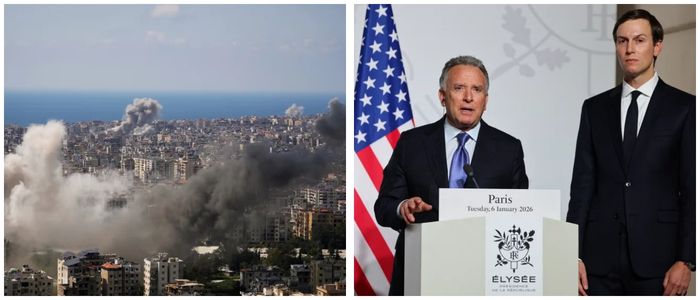
Key Delegations and Core Issues
Negotiations will commence on Saturday morning, with the US delegation led by JD Vance, Steve Witkoff, and Jared Kushner, and with Mohammad Bagher Ghalibaf (a key figure in the conflict) as the head of the Iranian negotiators (although Iran has yet to confirm its delegation).
One of the main obstacles is determining what will be negotiated. Iran has provided a ten-point proposal with their demands, including: 1) recognition of Iranian control of the Strait of Hormuz; 2) reparations for war; 3) lifting all sanctions against Iran; 4) the right of Iran to enrich uranium for nuclear weapons.
In contrast, Donald Trump and his negotiating team have developed their own fifteen-point plan, which allegedly centers on preventing Iran from acquiring nuclear weapons, curtailing Iran's defensive capabilities, and reopening trade routes.
There is no agreement between the parties to use as a basis to negotiate; therefore it is unclear whether a resolution can be reached without additional conflict in an already unstable area.Tensions in Lebanon endanger ceasefire agreement.
There is a key disagreement involving whether Lebanon is a part of the ceasefire. While the US and Israel maintain that they do not have a formal agreement with the Iranian ally Hezbollah, the Pakistan government agrees with Iran's assertion about Hezbollah being a party to the ceasefire.
After the ceasefire was implemented, Israel conducted an air assault on Lebanon that killed 303 citizens and injured 1049 citizens according to local officials. International outcry has occurred since this event and many believe that the ceasefire may be lost before it ever takes effect.
Vance characterized it as a misunderstanding while Ghalibaf stated that there was only a short time remaining before the ceasefire breaks down. Both are hoping for greater restraint from Israel.
Global Oil Flow
The threat of the situation around the Strait of Hormuz is critical. The strait is a significant shipping route for the world and has been almost totally shut down due many Iranian actions over several weeks. Although an agreement to open the route is part of the ceasefire, only a limited number of vessels are being able to enter and exit the region with most vessels now being stranded in the Persian Gulf.
Iran has connected its maritime blockade of the Strait to the recent military activity in Lebanon and has also threatened to respond aggressively to any violations of its ceasefire agreement. In addition, US officials have warned that failure to reopen the strait will lead to the end of the ceasefire. Trump has issued a similar warning to Iran regarding the imposition of a toll on oil shipments flowing through the Strait of Hormuz.
Possible Outcomes
Many US officials are still on course toward preparing for the negotiations. Vance stated that if Iran makes a decision to walk away from the negotiations, that will be Iran's decision. At the same time, Trump is optimistic and believes that Iran will be more conducive towards compromise when engaging in non-public conversation.
In contradiction, Iran continues to publicly announce it has won/won in this conflict and also is adamantly standing on its public view regarding its requirements. The prospect of both sides coming together in less than one week appears very slim.
Many sources report that this meeting will be the first of many meetings used to pursue a long-term comprehensive peace agreement. The result of the meetings will impact whether the region continues forward under stability or returns to conflict.