Leadership vacuum at a critical juncture
Air India's chief executive officer Campbell Wilson resigned mid-term last month as the airline's losses for the year ending March 2026 reportedly hit $2.4 billion. His exit has left a serious leadership vacuum at a time when the carrier desperately needs steady hands. Aviation experts warn the absence of a strong leader could further slow the airline's already struggling turnaround. Air India is now the Tata Group's biggest loss-making entity, having been acquired by the conglomerate from the government in 2022, and is fast becoming a headache for the Tata board.
Tata Group Fights Back Against Rising Pressure
The Tata board met recently and is said to have discussed several cost-cutting measures and cautioned staff about tough times ahead. The airline's future has been a matter of speculation, and in April, senior leadership from Singapore Airlines, which owns a 25.1 percent stake in Air India, was spotted at the group's headquarters in Mumbai, sparking speculation that the airline could deepen its involvement in the struggling carrier. The journey so far has not been smooth sailing, said Jitendra Bhargava, former executive director at Air India. He said there were huge and widening gaps between the airline's five-year revamp plan post privatisation and its actual implementation.
Operational Failures and Safety Violations
Air India's woes are not just about the money. One of its flights from Delhi to Vancouver had to return after flying for almost eight hours because it did not have the required regulatory approval to enter Canadian airspace in March. Aviation consultant Alok Anand, who was previously head of maintenance at India's first low-cost carrier Air Deccan, called the incident "highly unusual" and cited a "very clear breakdown of internal processes." India's aviation regulator separately found 51 safety violations at Air India in its annual audit last year, with seven classified as the highest level of concern.
External Challenges Exacerbate the Crisis
It also has had a difficult operating environment outside its control, in addition to its internal failings. Continuing worldwide supply chain shortages have delayed aircraft deliveries, affecting the airline's fleet replacement schedule. Several key international routes, including India's Delhi to Washington and Mumbai to San Francisco services, have been cancelled since 2024, leading to a significant revenue shortfall. The Indian rupee has also fallen more than 10% against the US dollar, adding to the financial pain as many of the airline's costs, including fuel, are linked to the American currency.
A Missed Chance in the Middle East
Air India got a rare opportunity to increase its share of the international aviation market during the current conflict in the Middle East which weakened the power of Gulf carriers. But the airline has not been able to take advantage of this opportunity due to a lack of available aircraft. "This is a similar challenge to what the Tata Group faced almost 20 years ago when it bought British steelmaker Corus Steel," said aviation analyst Mahantesh Sabarad. Sabarad said the Tatas and Singapore Airlines' backing of shareholders will be crucial to bankroll the losses piling up.
What the Final Crash Report Might Show
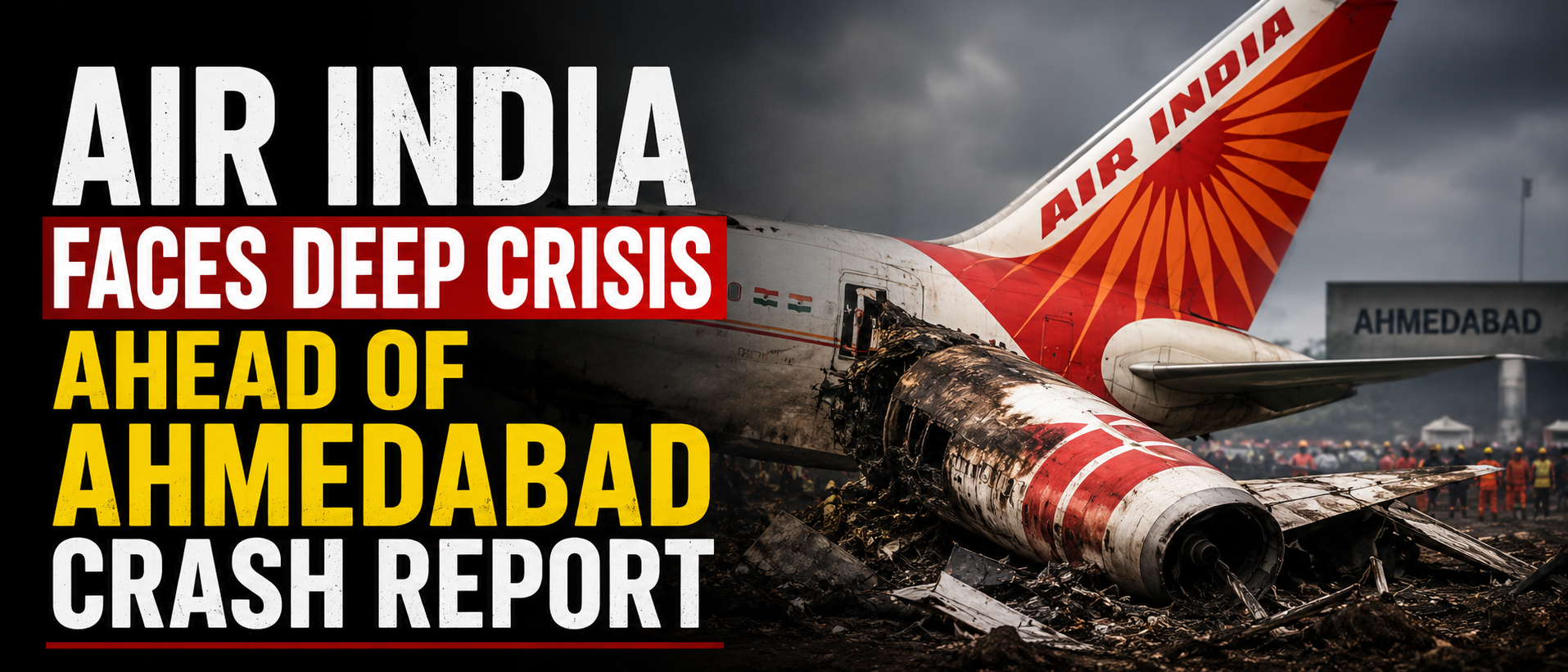
The final report of the investigation into the Ahmedabad crash could have further implications for the reputation of Air India, even if financial liabilities from the tragedy are expected to have been largely met. Experts say any negative findings in the report could lead to significant reputational damage which would take a lot of time and effort to recover from. Analysts warn the financial picture may worsen before it gets better in the short term, as the full impact of high fuel costs, currency depreciation and route closures continues to filter through in the coming months.