A Deal Nobody Could Accept
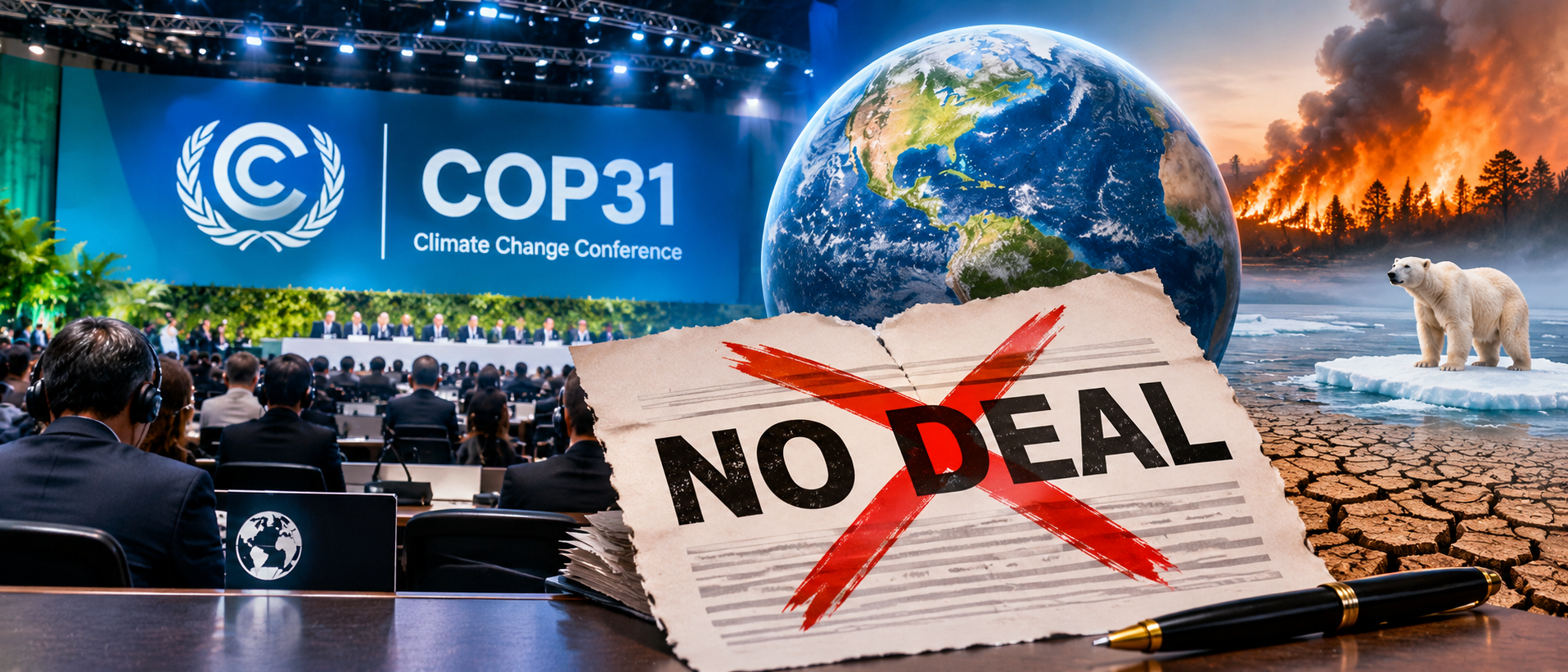
After two weeks of talks, exhausted delegates were handed a new draft in the early hours of Sunday. The words "fossil fuels" did not appear anywhere in it. The only indirect nod to coal, oil and gas was a reference to the COP28 deal of 2023, when countries agreed to "transition away" from fossil fuels in energy systems. The EU, Pacific island nations and others rejected it. The last time a COP's main political agreement collapsed like this was in 2009 in Copenhagen.
Irish Minister Darragh O'Brien, speaking for the EU, said the decisions go "nowhere near the level of ambition needed." He added, "It is unconscionable that we would have a climate pact that makes no mention of fossil fuels." Panama and the Marshall Islands also criticised the text. A first draft earlier in the talks had mentioned fossil fuels six times, but oil-producing nations wouldn't accept that. Saudi Arabia's delegate Mohammad Ayoub said Arab countries "continued to engage in good faith" but argued they account for only a small share of historical emissions. Russia warned against turning to "slogans" over fossil fuels, claiming a rapid shift would cause "fuel poverty."
Money was the other sticking point. Poorer countries objected that the deal had no clear financial commitments from richer nations to help them adapt to heatwaves, droughts and other impacts. Last year at COP30 in Brazil, nations agreed to triple adaptation finance, but this year's text had no figures and no baseline to measure the pledge against, which raised fears of wriggle room for wealthy countries. "Rich nations and polluting governments cannot keep arriving empty-handed," said Mohamed Adow of Power Shift Africa.
Anger and Disappointment
UN Secretary General Antonio Guterres, in his last COP before stepping down, said he was "deeply disappointed." He accused "powerful fossil fuel interests" of taking "a page from Big Tobacco's playbook: distorting the science, delaying policy, blocking action, and piling up huge profits while people everywhere pay the price." Australian Prime Minister Anthony Albanese, whose country co-hosted the talks, blamed "difficult geopolitical times." Chris Bowen, COP31 president of negotiations, pointed to "unbridgeable red lines" and "the most complicated and fraught geopolitical environment in living memory." The conference was held in Antalya but led by Australia in the negotiations, which some observers said created a chaotic dynamic.
Former US vice-president Al Gore called it "outrageous that a handful of petro-states have veto power over any mention of fossil fuels" and said the COP process needs significant reform. UK Energy Secretary Miatta Fahnbulleh called the outcome "immensely disappointing" but said Britain's commitment is "unwavering."
A Warming World and a Few Small Wins
The stakes are high. 2026 could end as the hottest year on record, with extreme weather from summer heat and drought in Europe to flash flooding in Nepal. COP31 was also the first annual UN conference to formally discuss how the key 1.5C target from the 2015 Paris talks will be missed. The UN says current policies point to about 2.8C of warming by 2100, down from the 4C or more once considered possible. Even so, the world is likely to "overshoot" 1.5C within the next few years. Many countries say they will bring warming back down later, but that depends on carbon removal technologies that don't yet exist at scale.
Some agreements did come out of the talks, including progress on a "just transition mechanism" to support workers and communities as economies move to clean energy. More than 80 countries also backed Turkey's target to raise the share of global energy use met by electricity to 35% by 2035.
Still, some are asking whether a consensus-based UN process can work in a divided world. UN climate chief Simon Stiell said he would seek advice on reform ahead of COP32 in Ethiopia in November 2027. The consensus approach "got us through Paris... so it can work," he said, while admitting it "fell short" on Sunday. The process has "suffered setbacks before and come back stronger," he told delegates. "It must do so again."