His remarks came during a day filled with high-level diplomatic activity, including direct talks between American and Iranian officials. Trump has spent the past few days meeting with more than a dozen world leaders as ongoing conflicts in the Middle East and Ukraine continue to test his administration's foreign policy approach. He opened his address by highlighting achievements related to the economy, immigration, border security, and crime reduction, remarks that leaned more toward a domestic political audience ahead of the upcoming midterm elections than the international diplomats in attendance.
Iran Conflict Dominates Speech as Officials Hold Talks
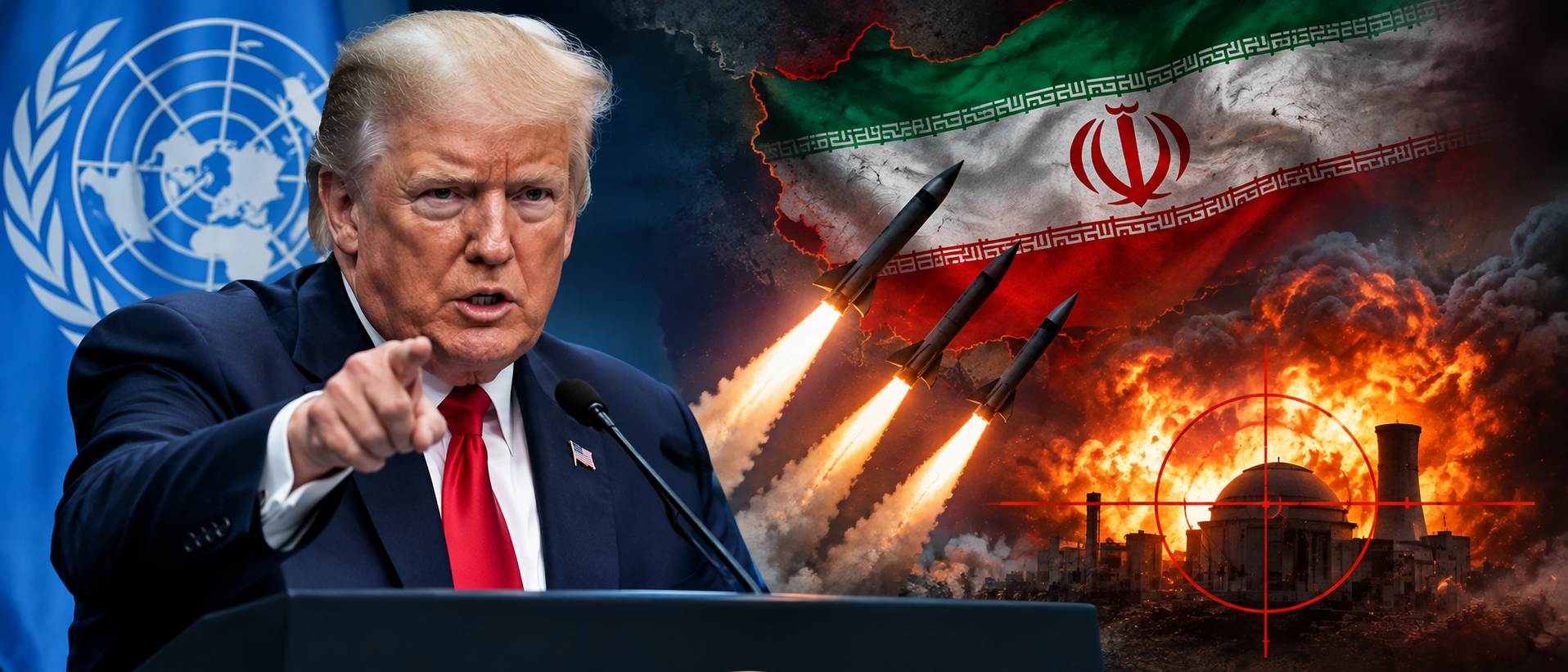
Much of Trump's address focused on defending the ongoing military conflict with Iran, which began earlier this year and has since driven up global oil prices while contributing to a decline in his domestic approval ratings. His tone stood in sharp contrast to earlier remarks from the outgoing UN Secretary-General, who warned that global divisions were deepening and stressed the importance of international cooperation.
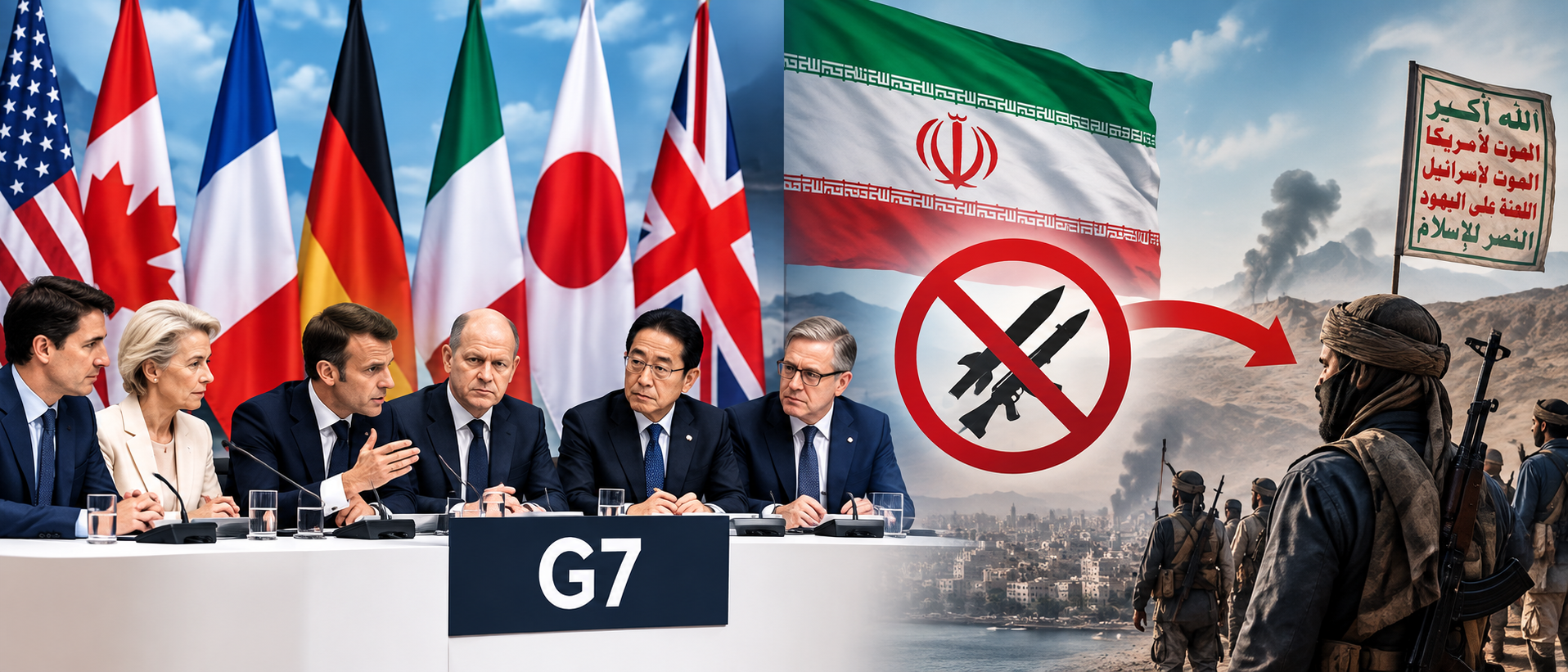
Trump argued that the conflict had successfully prevented Iran from developing a nuclear weapon and demonstrated the effectiveness of applying pressure rather than pursuing compromise. He posed the choice bluntly, asking whether a deal should be reached that allows Iran to rebuild into a stronger nation, or whether the country should instead be driven toward complete destruction. He added that he expects a deal with Iran to materialize shortly after the November elections, reflecting his broader approach of combining the threat of overwhelming force with an openness to negotiation.
Later, Trump told reporters that American officials had held what he described as a highly productive three-hour meeting with Iranian representatives on the sidelines of the assembly. Iranian state media confirmed that the country's foreign minister met with the top US envoy to the Middle East. A spokesperson for Iran's foreign ministry said the discussions were conducted through a Qatari mediator, who relayed Tehran's conditions, including a full end to hostilities and a halt to what Iran characterized as US aggression. The American envoy later confirmed that talks had taken place through mediators shuttling between both sides throughout the day, describing the discussions as constructive and expressing hope that mediation efforts would continue.
Trump Also Addresses Ukraine, AI, and Global Institutions
During his speech, Trump reiterated his belief that his diplomatic efforts would eventually bring an end to Russia's war in Ukraine, a conflict that has shown little sign of slowing as both sides continue exchanging missile and drone strikes. He said his administration was working closely with leaders from both countries and expressed confidence that a resolution would come sooner than many expect. Separately, the US Secretary of State is scheduled to meet with Russia's foreign minister in New York later this week.
Trump also downplayed concerns about artificial intelligence, insisting the United States would not cede its technological advantage to China due to what he called unnecessary alarmism or an attempt by global elites to control the technology. He suggested the term "artificial intelligence" was misleading and preferred to describe it instead as a kind of advanced intelligence with major potential benefits, while acknowledging the need for caution.
On the sidelines of the assembly, Trump signed an agreement with leaders from Denmark and Greenland aimed at expanding the US military presence on the North Atlantic island, a deal that reaffirms Greenland's sovereignty as a Danish territory while granting the US broader access to its airspace and territory. He also held meetings with Ukraine's president, the British prime minister, South Korea's president, and leaders from several Gulf nations, with discussions reportedly focused on regional developments and efforts to strengthen stability in the Middle East.
Earlier in the day, the outgoing UN Secretary-General delivered his farewell address, urging global powers to recognize the limits of their influence and pointing to widening divisions driven by geopolitical rivalries, war, climate change, and artificial intelligence. Trump took a notably different approach, criticizing international institutions and accusing the UN of pursuing an agenda shaped by unelected global bureaucrats. He emphasized national sovereignty and what he called the unmatched strength of the US military, stating firmly that no global government exists.
He also warned that the United States would use its military power if necessary to protect its interests throughout the Western Hemisphere, and accused Cuba's government of maintaining ties to left-wing political groups within the US, referring to the country as a failed state. Cuba's delegation reportedly left the chamber as he made these remarks.