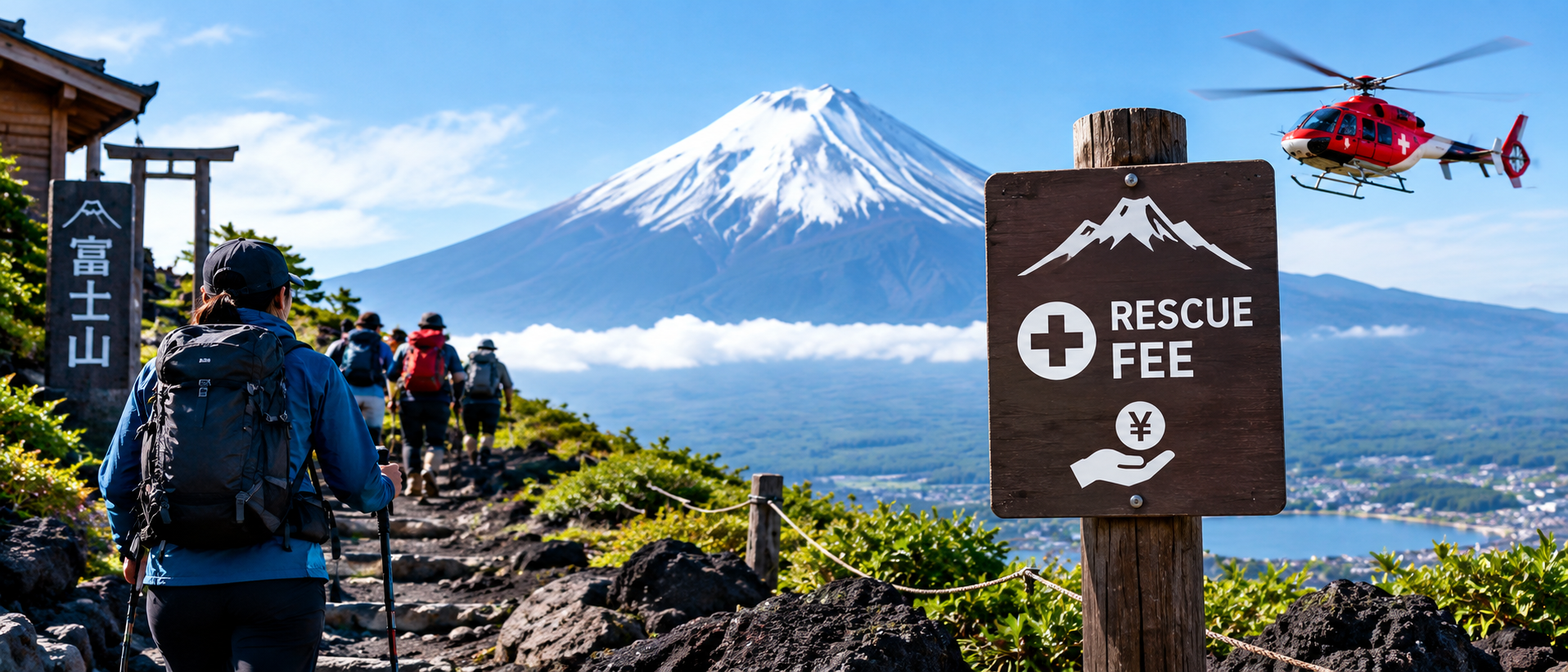
A comparable fee already exists in a neighboring region, where rescues cost 8,000 yen, or roughly $51, for every five minutes of service. That system is expected to serve as a model for the new rule. Alongside the rescue fee, officials will also require anyone planning to climb during the off-season, which stretches from early September through July of the following year, to submit a detailed climbing plan before setting out.
Officials Hope New Rules Will Discourage Risky Climbs
The regional governor explained that the goal is to get the public to think twice before attempting the climb during the colder months. He said authorities are hoping these new requirements will change how people view winter climbing on the mountain, encouraging them to avoid it altogether unless absolutely necessary.
Both this region and the neighboring one on the mountain's southern side have reported a noticeable increase in off-season and spontaneous climbing attempts in recent years, with some hikers becoming stranded as a result. The southern region plans to introduce its own penalties for climbers who fail to register their off-season plans and says it will also increase efforts to keep people out of areas that are off-limits. However, officials there have not announced any rescue fees of their own.
Climbing Season and Conditions
Mount Fuji's official climbing window runs from July through early September, drawing around 200,000 hikers who attempt to reach the summit each year during that stretch. Climbing outside these months is strongly discouraged, though it remains technically allowed up to the fifth of ten stations along the route. Outside the main season, most mountain huts and restroom facilities shut down, and both the weather and trail conditions become significantly harsher and less predictable.