
Introduction
🍳 Fuel BetterSo you've decided to finally pay attention to protein. Good. Took you long enough, right? (Kidding. Sort of.) If you're like most people starting out, you've probably heard a hundred different opinions — eat more chicken, try whey, beans don't count, beans totally count — and now you're just confused. That's normal. This guide on Protein Basics for Beginners is meant to cut through the noise and actually explain things in plain language, without the bro-science or the fad-diet nonsense.
Protein isn't some mysterious supplement-store invention. It's one of the three macronutrients your body runs on (alongside carbs and fat), and honestly, it's been keeping humans alive since forever — way before protein shakes existed. We just didn't talk about it so much.
If you're looking for a convenient way to increase your daily protein intake, MyProtein offers a wide range of high-quality protein powders, snacks, and supplements to support your fitness and nutrition goals.
Why Protein Basics for Beginners Actually Matters
Here's the thing nobody tells you upfront: protein isn't just for bodybuilders flexing in gym mirrors. It's for everyone. Your hair, your nails, your immune system, the enzymes running your digestion right now as you read this — all of it depends on protein in some way.Think of protein as bricks. Your body is constantly building, repairing, and rebuilding itself, and protein supplies the raw material. No bricks, no repairs. Simple as that.
When people start learning protein for beginners concepts, they usually fixate on muscle. Fair enough, muscle growth is a big deal. But protein also helps with:
- Hormone production (yes, hormones too)
- Keeping your immune system functioning
- Maintaining healthy skin and hair
- Transporting nutrients around your body
- Keeping you fuller for longer (huge if you're trying to manage weight)
How Much Protein Do You Need Daily?
Okay, the big question. How much protein do you need daily? And honestly — it depends. Annoying answer, I know, but true.The general baseline recommendation from most nutrition guidelines is around 0.8 grams of protein per kilogram of body weight for a sedentary adult. That's the bare minimum to avoid deficiency, not necessarily the amount for feeling great or building muscle.
If you're active — lifting weights, running, doing some kind of regular training — that number climbs. A lot of trainers and dietitians suggest somewhere between 1.2 and 2.0 grams per kilogram of body weight, depending on your goals. Trying to build muscle? Lean toward the higher end. Just trying to maintain and stay healthy? The middle ground usually works fine.
Let's make it real. Say you weigh 70 kg (about 154 lbs). At the baseline of 0.8g/kg, that's roughly 56 grams a day. If you're training regularly and aiming higher, you might be looking at 84–140 grams. Big range, I know. There's no single magic number that applies to everyone, and anyone who tells you otherwise is probably selling something.
A few quick notes worth mentioning:
- Pregnant or breastfeeding women generally need more protein.
- Older adults often need slightly more too, since muscle maintenance becomes trickier with age.
- Athletes in heavy training blocks may need protein closer to the top of that range, sometimes even a touch above it.
Foods High in Protein (The Beginner-Friendly List)
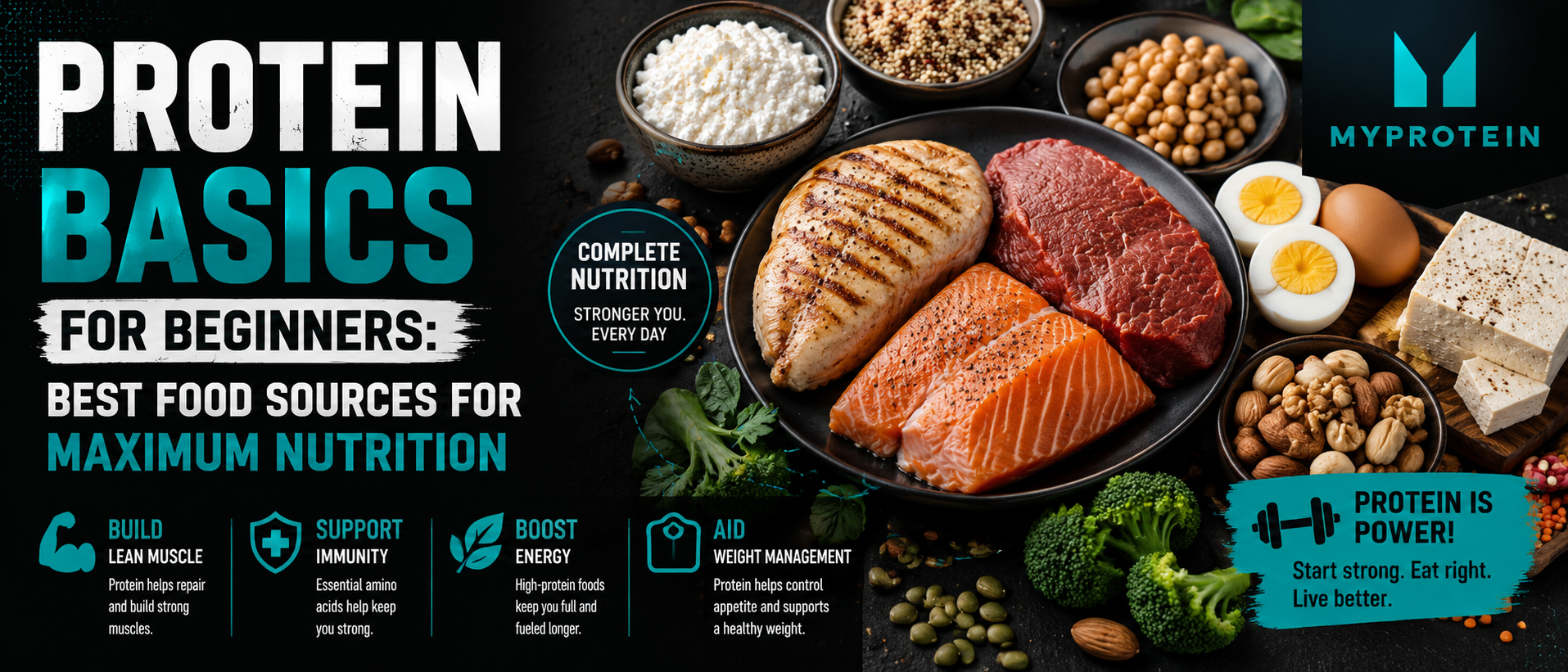
Now for the fun part. Let's talk about foods high in protein — the stuff you'll actually be eating, not just reading about.Animal-Based Protein Sources
- These tend to be "complete" proteins, meaning they contain all nine essential amino acids your body can't make on its own.
- Chicken breast — the classic. Boring? Maybe. Effective? Absolutely. Around 31g of protein per 100g.
- Eggs — cheap, versatile, roughly 6g of protein per egg. Plus they're just... easy. Scramble, boil, fry, whatever.
- Greek yogurt — creamy, tangy, and packs around 10g of protein per 100g serving. A solid breakfast or snack option.
- Fish (salmon, tuna, cod) — protein plus omega-3s. Salmon in particular gives you that extra heart-health bonus.
- Lean beef — yes, red meat can fit into a healthy diet in moderation. About 26g per 100g.
- Cottage cheese — underrated, honestly. Slightly bland on its own but mix in some fruit or honey and it's great.
- Don't eat meat? No problem. Plenty of options here too.
- Lentils — about 9g of protein per cooked 100g, plus loads of fiber.
- Chickpeas — hummus lovers, rejoice. Around 8-9g per 100g cooked.
- Tofu — versatile, absorbs whatever flavor you cook it in. Roughly 8g per 100g.
- Quinoa — a rare plant source that's also a complete protein. About 4g per 100g cooked, lower than some but still useful, especially combined with other sources.
- Edamame — snackable, satisfying, around 11g per 100g.
- Peanut butter — okay, it's not pure protein (lots of fat too), but it adds up. About 25g per 100g.
Protein Snacks Worth Keeping Around
Sometimes you just need something quick. A few go-tos:
- Boiled eggs (meal-prepped, sitting in your fridge, ready to grab)
- Roasted chickpeas
- Protein bars (check the sugar content though — some are basically candy bars in disguise)
- A handful of almonds
- Beef jerky, if that's your thing
Building Balanced Meals Around Protein
This is where a lot of beginners trip up. They obsess over hitting a number but forget meals are supposed to, you know, taste good and be sustainable long term.A simple framework: fill about a quarter of your plate with a protein source, another quarter with carbs (rice, potatoes, whole grains), and the rest with vegetables. Add some healthy fat — olive oil, avocado, nuts — and you've got a meal that covers your bases without needing a spreadsheet.
Breakfast example: eggs with whole-grain toast and avocado. Lunch: grilled chicken or tofu with quinoa and roasted veggies. Dinner: salmon with sweet potato and greens. Snacks: Greek yogurt, nuts, or a protein shake if you're short on time (shakes aren't cheating, despite what some purists claim).
Common Mistakes Beginners Make
Let's be honest about a few things people get wrong when starting out.Mistake one — eating all your protein in one meal. Spreading protein intake across the day (3-4 meals, roughly 20-40g each) tends to work better for muscle protein synthesis than dumping it all at dinner.
Mistake two — ignoring quality. Processed meats and protein bars loaded with sugar technically count toward your protein total, but they're not doing you many favors otherwise.
Mistake three — overthinking it. Seriously. You don't need to weigh every gram of chicken on a kitchen scale forever. Get a rough sense of portion sizes, eyeball it, move on with your life.
Mistake four — assuming more is always better. Past a certain point (and that point is pretty high for most people), extra protein doesn't translate into extra muscle. Your body can only use so much at once.
Final Thoughts
Look — protein doesn't have to be complicated. It really doesn't. Once you get the Protein Basics for Beginners down, the rest is just repetition and small adjustments. Eat a variety of sources, animal or plant or both, spread your intake across the day, and don't stress over hitting an exact number every single day. Some days you'll eat more, some days less. That's life.If you're looking for a convenient way to boost your daily protein intake, MyProtein offers a wide range of high-quality protein powders and nutrition products to support your fitness and wellness goals.
What matters most is consistency over weeks and months, not perfection on any one day. Pick a few protein-rich foods you actually enjoy — because if you hate eating it, you won't stick with it — and build your meals around those. Chicken, eggs, lentils, tofu, yogurt, whatever works for your lifestyle and your taste buds. There's no single "best" protein source; there's just the one that fits your life and that you'll actually keep eating.
Give it time. Your body adjusts, your energy stabilizes, recovery improves — small wins that add up. And honestly? Once you build the habit, you stop thinking about it so much. It just becomes how you eat.
Explore Newsbuck for more exclusive deals and important updates. We are your go-to source for all the news and trending stories across fashion, politics, health, entertainment and much more!
🍳 Fuel Better
Read Our More Blogs
What Is H&M's Conscious Collection & Why Does It Matter?
7 Feeding Mistakes That Destroy Egg Production Faster Than You Think
Is Buying Game Currency Safe? Risks & How To Avoid Scams
FAQs
1. Can I get enough protein without eating meat?
Yes, absolutely. Plant-based sources like lentils, chickpeas, tofu, quinoa, and edamame can cover your needs, especially when combined throughout the day. Many vegetarians and vegans meet or exceed their protein targets without any animal products.
2. Is it possible to eat too much protein?
For most healthy individuals, moderately high protein intake isn't dangerous, but extremely high amounts over long periods can put strain on the kidneys, particularly for people with existing kidney issues. As with most things in nutrition, balance matters more than extremes.
3. Do I need protein supplements like whey powder?
Not necessarily. Whole foods can meet most people's protein needs just fine. Supplements are convenient, especially for athletes or busy schedules, but they're a tool, not a requirement. Food first, supplements second.