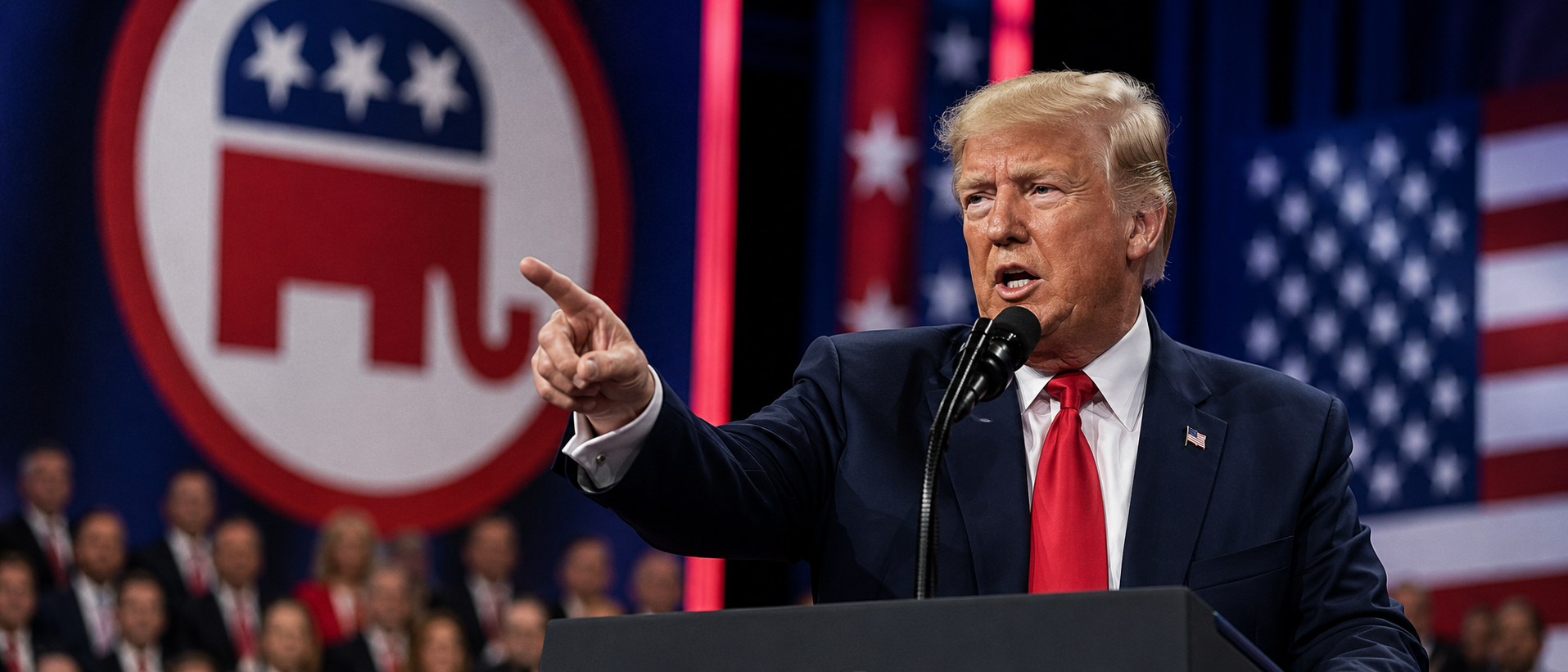
President Donald Trump, whose influence over the party remains virtually unchallenged, delivered an extended keynote address Wednesday night during the event's opening session. His remarks touched on many familiar themes he's revisited throughout the year, though a few unexpected moments stood out as well.
Speaking Directly to His Base
The arena was packed with devoted Trump supporters dressed in red MAGA merchandise dating back to his earlier presidential campaigns. A decade removed from his first run for the White House, Trump continues to command deep loyalty among his base and has reshaped the Republican Party largely in his image. Notably absent from the event was much of the party's more traditional establishment wing. Senator Susan Collins of Maine, along with several other Republicans running in competitive races, chose not to attend.
That absence of moderate Republican voices stood out sharply, underscoring just how dramatically the party has transformed under Trump's leadership. It also raised questions about how effective this unprecedented midterm convention format would ultimately prove to be, given that the audience, both inside the arena and watching from home, appeared largely composed of committed Trump loyalists rather than the moderate and swing voters Republicans will need to mobilize in large numbers come November.
Trump Remains Firmly in Control of the Party
Trump's continued dominance over the party raises important questions about what comes next, particularly around who might eventually succeed him and how Republicans will fare in elections where his name doesn't appear on the ballot. Trump addressed that second concern directly during his speech, warning that sitting presidents historically struggle during midterm elections before telling the crowd to simply treat the election as though he were on the ballot himself.
The comment reflected Trump's recognition that he remains the party's strongest force for driving voter turnout, while also highlighting the broader challenge Republicans face heading into both this November's elections and the 2028 presidential race. Trump won't appear on a ballot again, and while he can continue campaigning on the party's behalf, no obvious successor has emerged capable of energizing the base the way he does. In conversations with attendees, many convention-goers speculated about potential successors for the 2028 race, frequently naming Vice President JD Vance and Secretary of State Marco Rubio as leading contenders. Still, Trump made it clear throughout his Dallas appearance that he intends to remain the party's central figure and isn't ready to step aside.
Betting on Patience Over Affordability
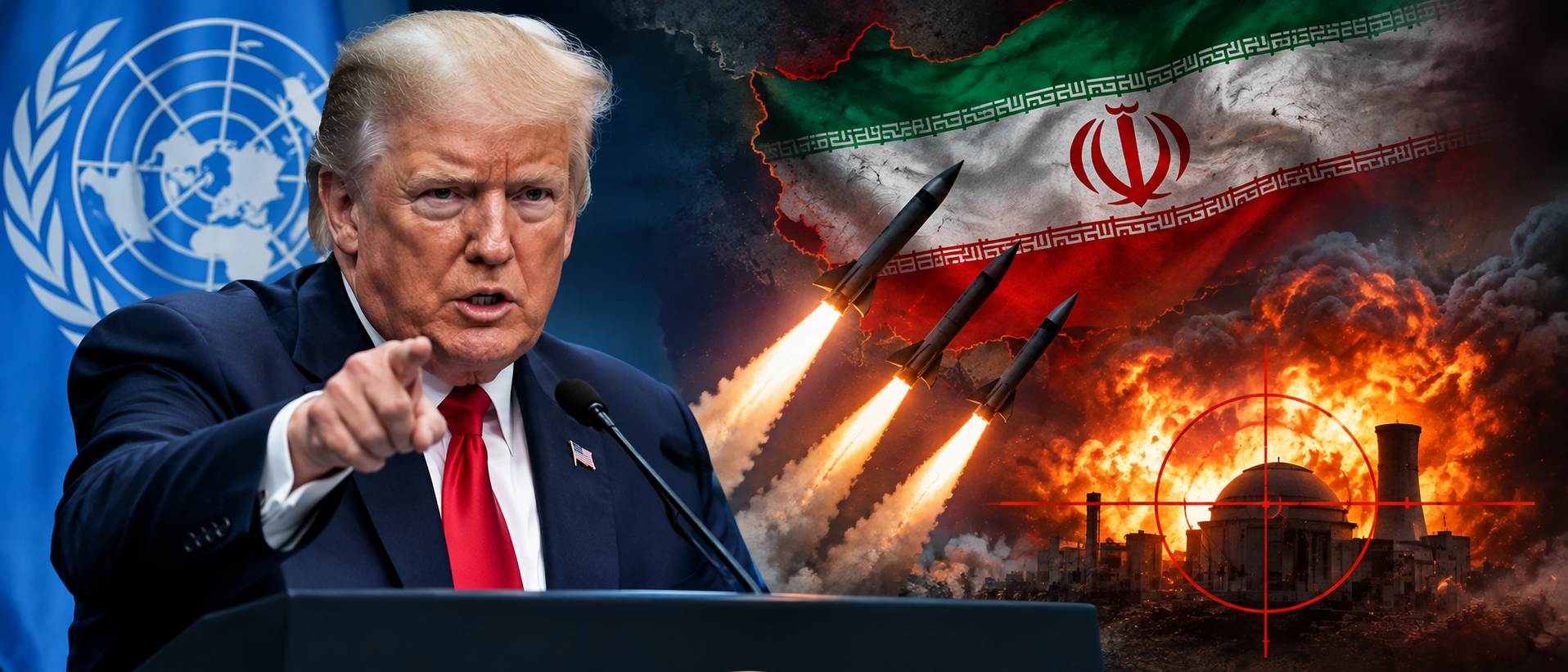
Earlier Wednesday, before departing for the convention, Trump acknowledged that Americans may need to wait longer than expected for relief from high gas prices, suggesting it would likely take longer than the midterms to see meaningful change. He repeated that message during his speech, arguing that short-term economic hardship tied to the conflict with Iran was a necessary trade-off to prevent Tehran from developing nuclear weapons.
That messaging could prove difficult to sell to voters already feeling the strain of rising costs. Recent polling has consistently shown that the cost of living remains one of the top concerns among Americans. Trump's approval rating has also declined as the conflict with Iran continues, with a recent Financial Times and Focaldata poll released Sunday showing his approval among registered voters dropping to a new low of just 33%. Many Republican candidates may have hoped for a clearer message on tackling living costs and bringing the Iran conflict to a swift end.
Trump also used the platform to float an unconventional proposal, offering to send every adult US citizen a $5,000 payment if Republicans manage to win control of both chambers of Congress in November.
The only condition, according to Trump, was that recipients would need to spend the money within the United States. He offered no specifics on how the program would be funded, implemented, or monitored. Democrats quickly dismissed the idea as an empty promise, while others questioned whether such a pledge would even be legally feasible. With nearly 270 million adults in the US, a $5,000 payout to every eligible person would cost the federal government roughly $1.3 trillion. Regardless of its practicality, the announcement drew enthusiastic applause from the crowd, and Trump appeared to enjoy the moment.