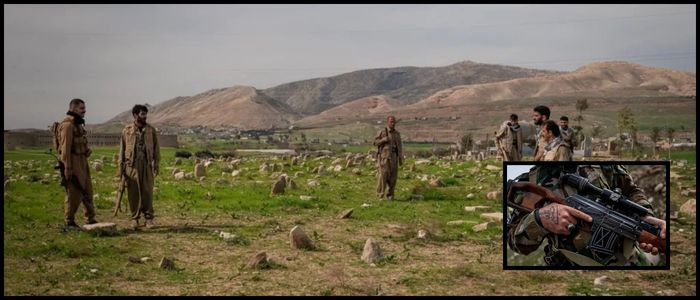
In recent comments, leaders of several Iranian Kurdish groups operating from northern Iraq made it clear that their fighters have not crossed into Iran but have contingency plans if conditions warrant a change. Following the reported death of Ali Khamenei, a combined effort by these Kurdish groups, as well as heightened pressure on Tehran, has generated more discussion about the possibility of ground forces being involved.
Hana Yazdanpana, the spokesperson for the Kurdish Freedom Party (PAK), claimed that the various groups that comprise the Kurdish armed opposition have been preparing for decades to challenge the Iranian regime and stated that PAK claims to have the widest array of Kurdish armed opposition forces.
Yet, she denied that there had been Kurdish fighters who had previously moved into Iranian territory and stated that, so far, none of the Peshmerga fighters have crossed the border.
In addition, she stated that recently, the six Kurdish opposition groups have created a coalition to work together both politically and militarily, so that any movement would be coordinated and not conducted by each group separately.
Air Support and No-Fly Zone
Kurdish officials claim they cannot progress without having air support. According to Yazdanpana, all Iranian weapons depots must be destroyed as well as securing the airspace before any ground action can take place. She has made repeated calls for the U.S. to establish a no-fly zone to protect Kurdish forces from the Iranian Revolutionary Guard Corps' retaliation.
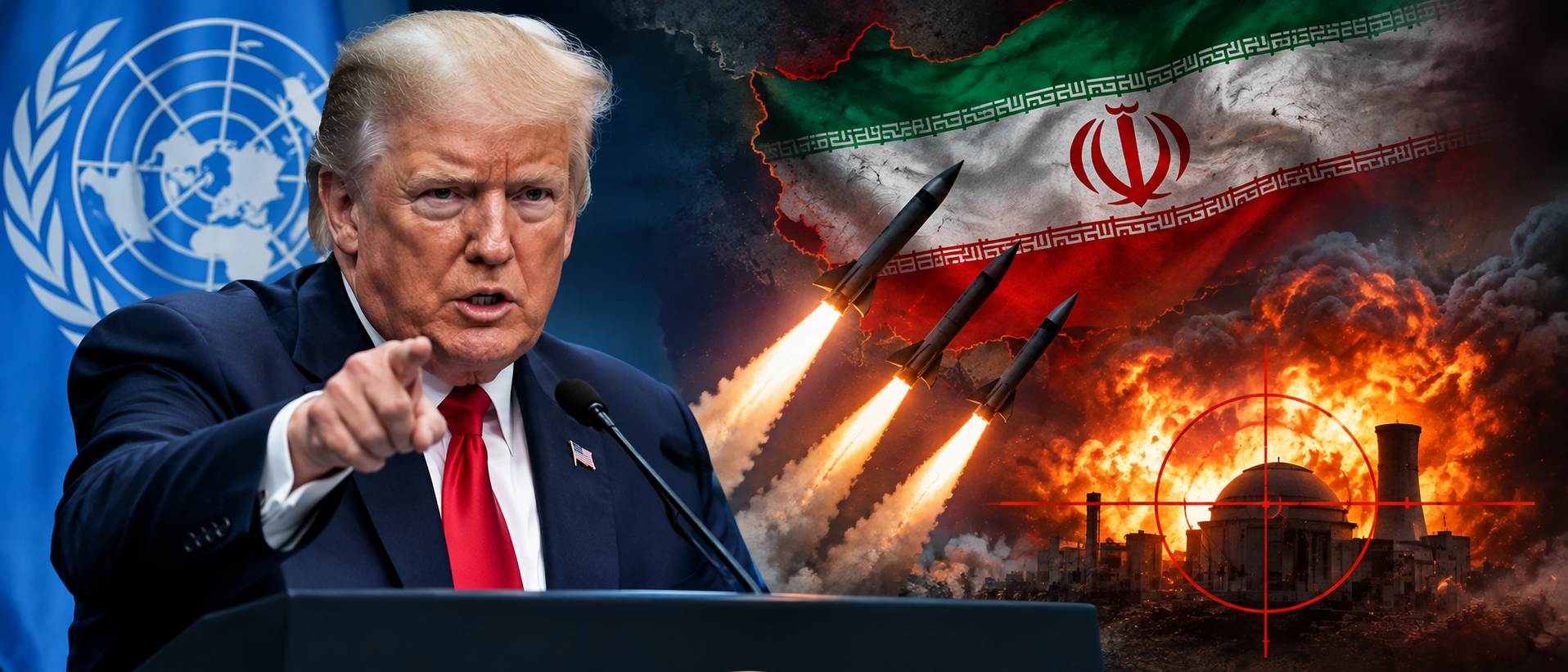
While there has been much speculation surrounding the issue and the possibility of Donald Trump to arm the Kurds for operations in Iran, the White House denies any reports of this nature.
Reports have stated that the Iranian military has increased its attacks against Kurdish positions along the border. These attacks have included missile strikes against opposition group bases, including one PAK connected facility where one fighter has been killed. Some organisations have relocated to reduce the risk of further attacks.
Kurdish leaders are evaluating the potential for use of the present conflict to weaken the Iranian leadership. Mustafa Mauludi, the Kurdistan Democratic Party of Iran's vice president, said Iranian military attacks against these targets provide Kurdish forces with the opportunity to weaken Tehran's influence through supporting their actions.
However, many Kurds have expressed caution in relying on outside countries for support. For many years, the Kurdish people have faced genocide and changing allegiances due to the borders of neighboring countries such as Iran, Iraq, Turkey, and Syria.
At the same time, Kurdish leadership asserts they desire to play a role in determining what happens politically in Iran. Abdullah Mohtadi of the Komala Party of Iranian Kurdish stated Kurdish organisations are the best organised opposition group in the country.
Regional Concerns
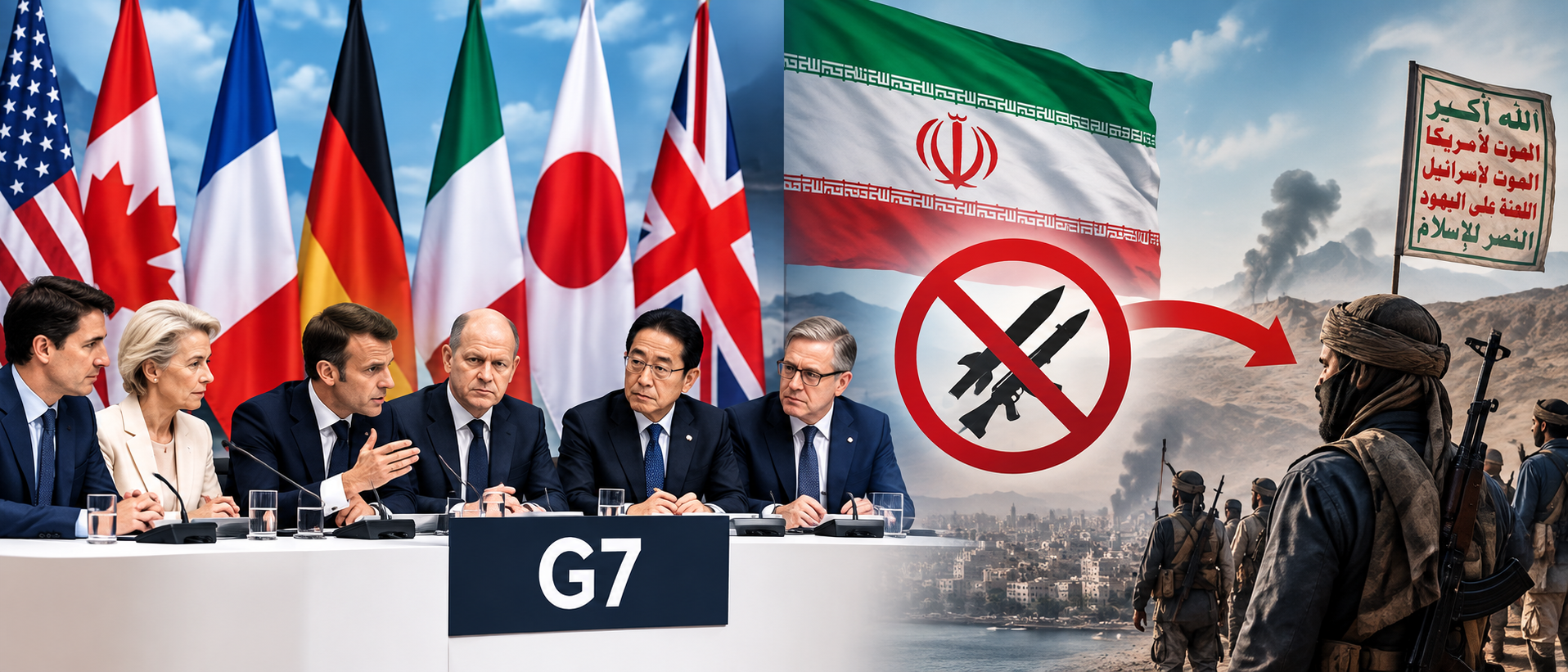
The potential for Kurdish fighters crossing the border is concerning for the government in Iraq. Authorities in Iraq have stated they will not permit any armed groups to launch attacks against Iran from Iraqi territory because there are concerns the conflict will spread to the entire region.
While estimates of the number of Kurdish troops in the area differ widely, there is consensus that there are several thousand Kurdish fighters potentially in the area if the need were to arise to conduct cross-border operations. Many Kurdish leaders are also concerned they would be unable to return to their homeland after decades of exile if they were unable to return home.
For now, Kurdish fighters are standing by for orders. Whether Kurdish forces ultimately enter Iran depends upon how the current conflict between the U.S., Israel, and Iran develop in the coming days.