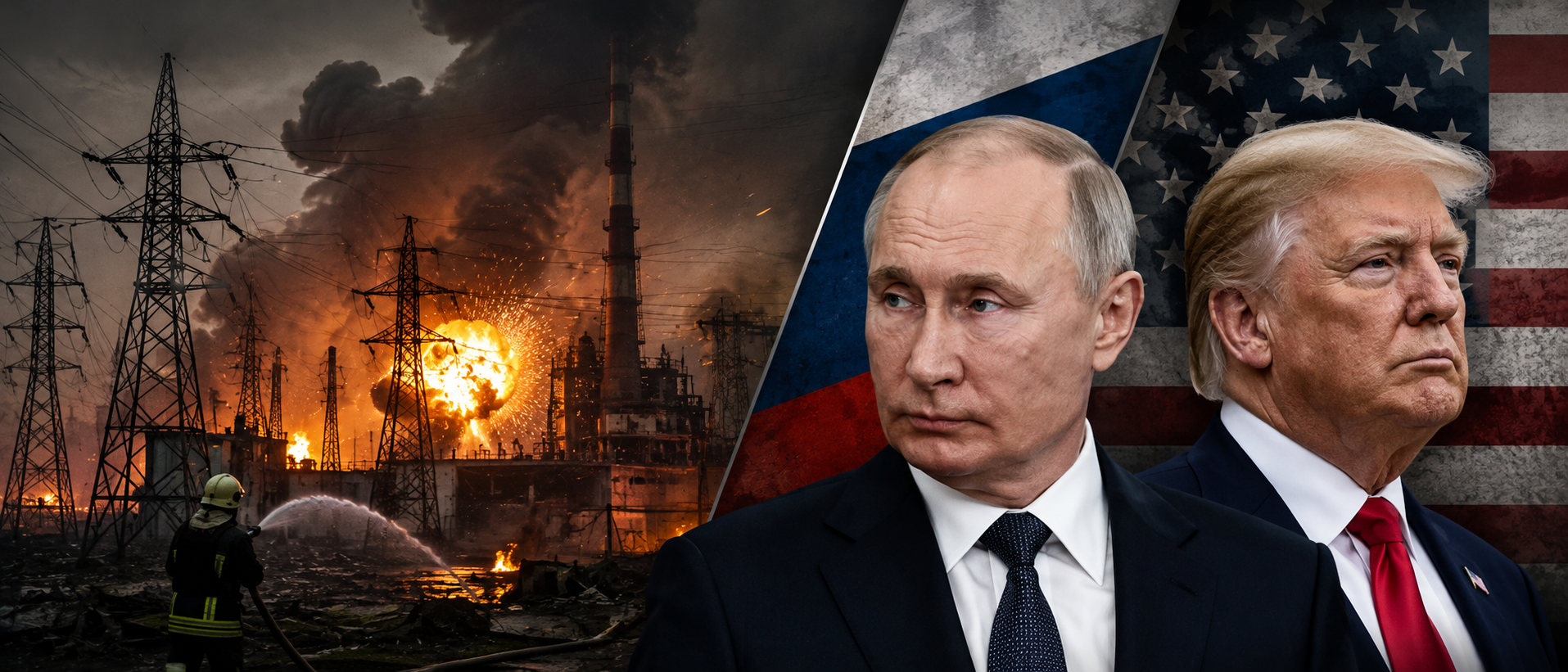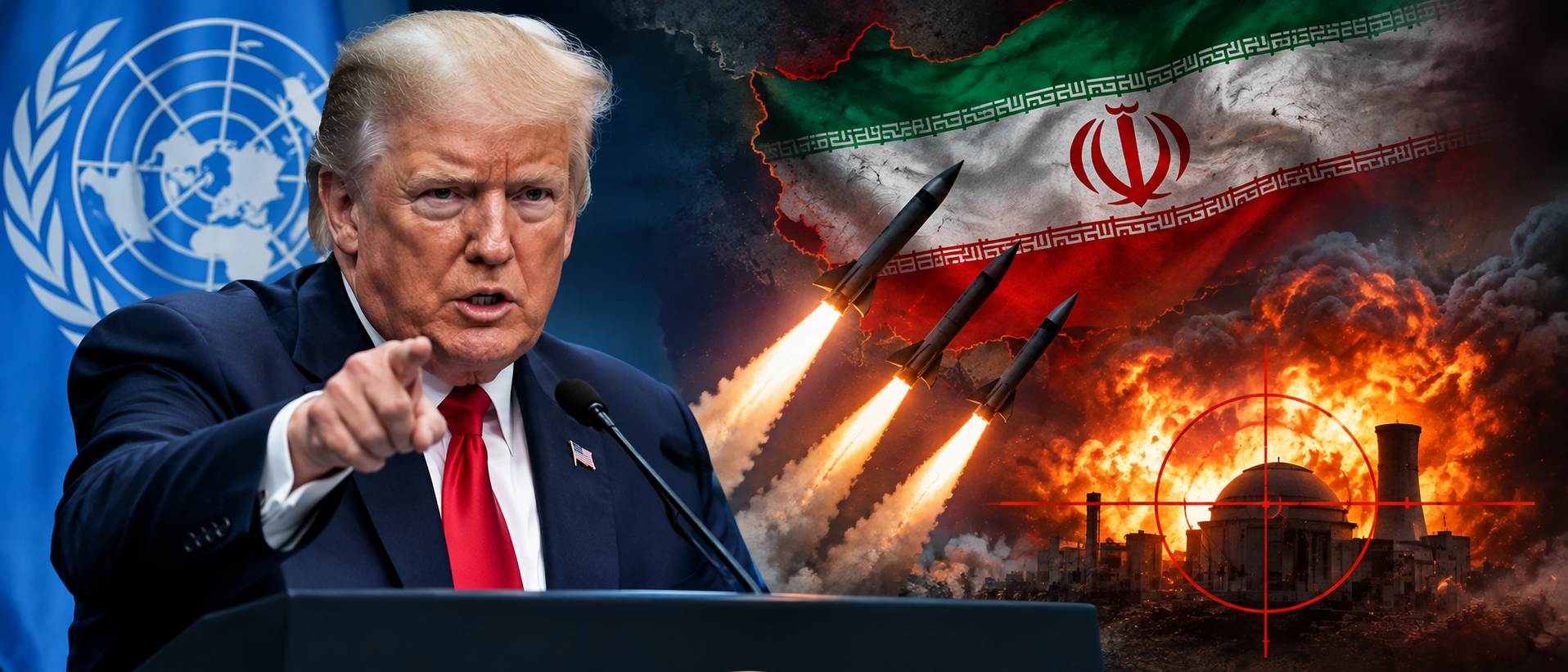
In addition to ongoing peace talks between both parties, the overall situation between them is likely to remain quite complex regardless of temporary cessations of direct hostilities (however long they may last) due to the continued naval blockade imposed by the US on Iranian ports & harbors (as will be referenced here). There has been quite a reaction from Tehran regarding Trump's recent statement and significant additional questions regarding the stability of the Middle East as a result.
Trump No Longer Opposes a Ceasefire
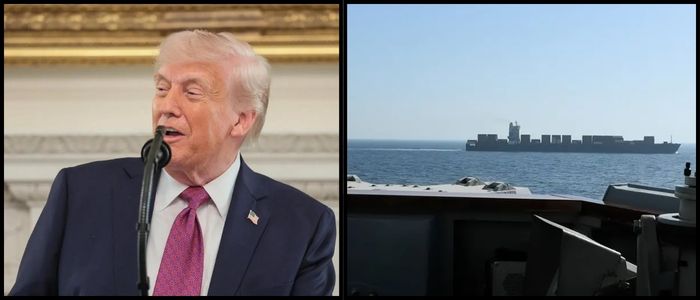
Only hours ago, during a White House Press Conference, Trump indicated to reporters, "I no longer oppose a truce between the United States and Iran." Earlier in his response to questions about Iran's nuclear capabilities & overall ambitions after 4 years of Iranian leadership (both President Ahmadinejad & President Rouhani), Trump had previously reaffirmed that he would not support an extension of the current cease-fire; however, after further study of recent developments regarding US-Iran tenor and relations, he determined to change his mind about allowing for a possibility of an extension on future terms of the cease-fire(s).
According to his comments directly to the concerned reporters, "There has been a problem with both parties attempting discussions, but neither has followed any of their own proposed rules for negotiating an accord; therefore, I think that the best action moving forward will be that both sides must first agree upon an 'inventive proposal' from the Iranian government before we move any further with our diplomatic efforts."
Reference to an 'Inverted Iranian Government'
As previously mentioned regarding the nature of President Trump's previous comments toward the Iranian government, Trump provided yet another example of his continuing negative view of Iran's governing body in making reference to Iran having an "inverted government." This implies that there are multiple factions vying within the Supreme Leader's administration to have their own individual agendas realized.
Although most observers believe Iran has been and remains a nation divided by irreconcilable differences among competing interest groups over differing views on its political priorities, there has generally been a lack of agreement on an internal resolution to such disputes for the last several decades. President Trump's description demonstrates how seriously he considers each government entity within Iran.
President Trump claimed the Iranian government is "fragmented," therefore making achieving a single negotiating position even harder due to internal divisions amongst all parties involved. By stating so, President Trump is essentially assigning blame to Iran for any delays in establishing an agreement, as well as a lack of decisiveness concerning dramatic changes in the way that any diplomatic negotiations have taken place until now.
Further, President Trump indicates that without an agreed-upon and unified negotiating position to present to the United States, Iran's failure to provide the United States with the same during this time frame will continue to create further impediments to progress while negotiating. Thus, while waiting for Iran to produce a final proposal detailing its intended functions, timing, and form of any potential agreement, the United States is signaling that it will not make concessions toward the Iranians without the Iranians presenting to them a more coherent and accurate detail regarding their intended policy and procedural direction for the United States.
JD Vance Cancels Trip to Pakistan
In addition to the above-mentioned ramifications concerning the recent Iranian diplomatic actions, Vice President JD Vance's planned single-day trip to Pakistan had also been canceled by a White House spokesperson, without providing an explanation or reasoning as to the reason for the cancellation of the trip or any of the pertinent facts that informed the decision to cancel it.
This trip to Pakistan had been part of a broader regional strategy involving peace and diplomacy with respect to Iran and raises questions regarding unexpected developments, creating a need for an urgent reassessment of diplomatic priorities due to the speed with which external affairs change in reality.
The Iranian Blockade Continues
The United States will continue to blockade Iranian ports, as President Trump affirmed, at this point, in light of the extended nature of the extension of the ceasefire that was announced last week, which has rapidly become one of the most contentious issues surrounding the current standoff. Previously, Iran's foreign minister had referred to the blockade (of which the current extension and recent violations are major points in discussion) as "an act of war," indicating that Iran views naval restrictions as an actual act of hostility/aggression.
Conversely, President Trump argues that maintaining the blockade enhances the likelihood of reaching a meaningful and sustainable peace by giving the United States greater negotiating leverage vis-à-vis Iran.
Iran quickly dismissed the extension of the ceasefire with comments made by senior advisers to the Iranian government stating publicly that the extension means "nothing" and indicating that military action should be considered in response. This demonstrates the tremendous frustration among Iranian officials regarding the continued imposition of the blockade, coupled with the additional conditions placed upon Iran under U.S. pressure.
Furthermore, this demonstrates how internal pressures for a more aggressive response from within the Iranian government are building, as well as confirming divisions within Tehran that President Trump has previously referenced.
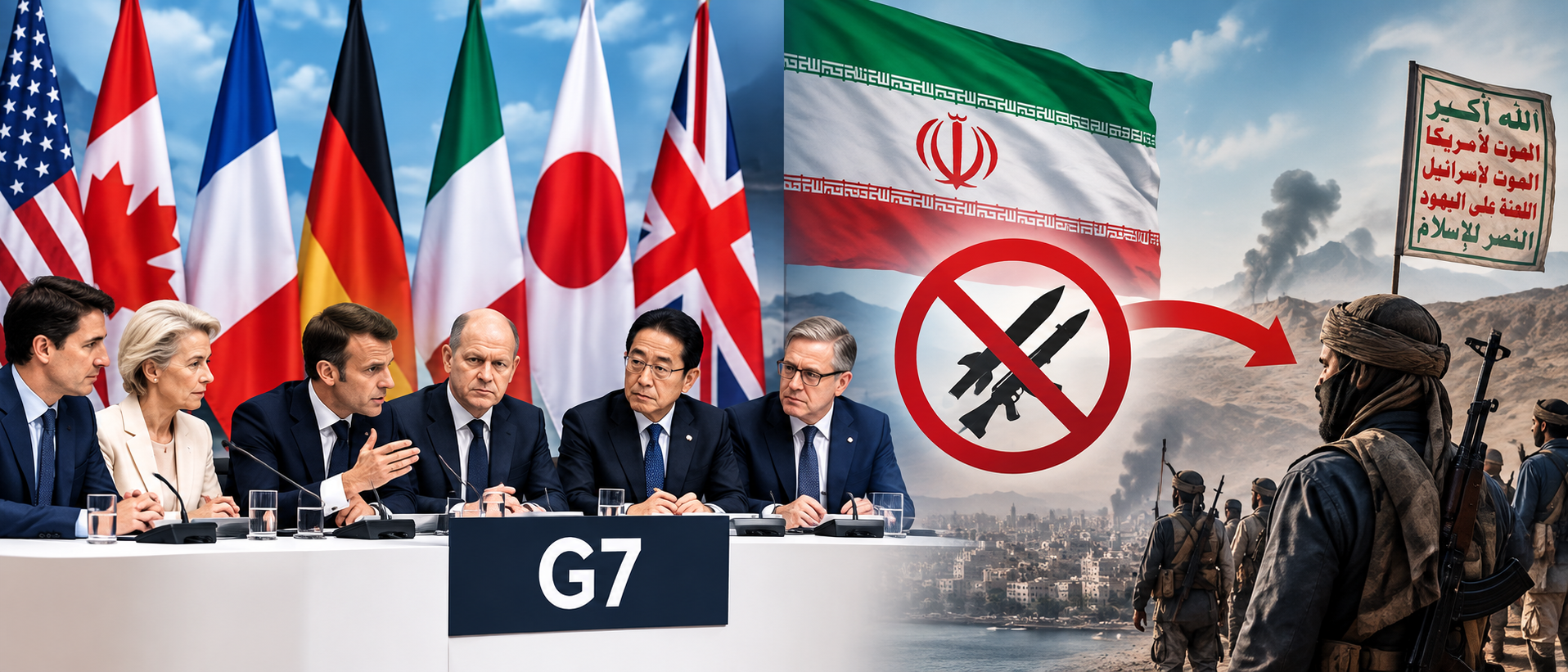
An Iranian military commander warned neighboring Gulf states that they would face repercussions if they provided assistance or aid to Iran's "enemies." This warning is particularly significant, given that several of the Gulf states have close ties to the U.S. and, thus, could likely be interpreted as supportive of U.S. policy toward Iran. In addition, this warning regarding oil infrastructure is concerning, given the important role of the Gulf region as a supplier of energy globally.
Therefore, this warning adds another level of regional risk to an already unstable situation and could have significant long-term economic consequences, depending on how the situation in the region escalates.
While the extension of the ceasefire continues, the blockade remains firmly in place, and, therefore, both countries' path towards reaching a durable peace agreement remains highly problematic. The fundamental issues that led to both countries being on the brink of actual conflict have not been resolved; therefore, the U.S. is continuing to maintain pressure on Iran from an economic/financial perspective, while Iran is indicating it is reaching the limits of its patience. Both sides appear to be engaged in a high-stakes game of waiting for the other side to make the first move; thus, the forthcoming days will likely determine whether the ceasefire extension leads to real progress in discussions at the bargaining table or simply prolongs the larger conflict.