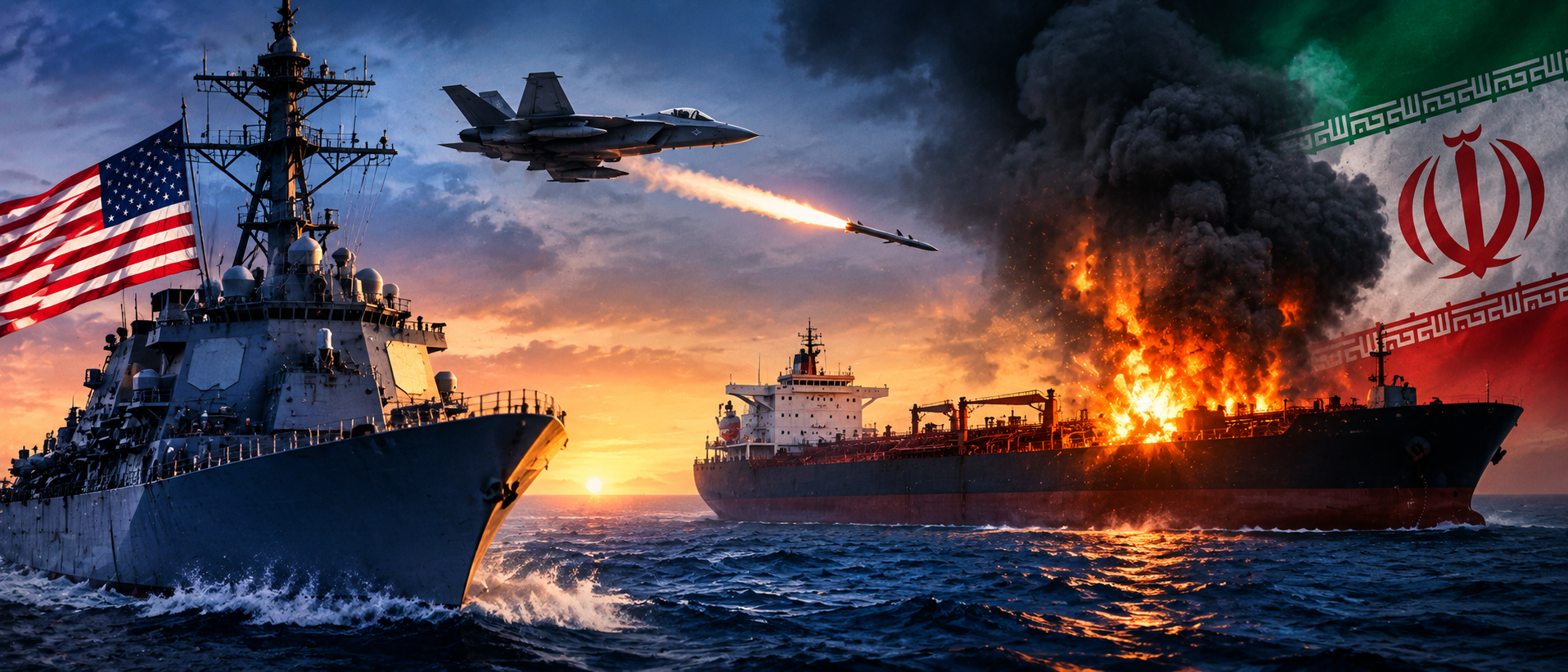
Iran responded by launching a missile attack against a US base in Jordan, though most of the missiles were intercepted before reaching their target. Iranian officials also claimed responsibility for attacks on two US vessels and eight oil tankers passing through the Strait of Hormuz. The exchange marks the latest escalation in a series of tit-for-tat strikes between the two nations, occurring more than six months after the US and Israel launched initial attacks on Iran on February 28.
Oil Prices Climb as Regional Tensions Rise
Oil prices moved higher during Asian trading following the latest exchange. Benchmark Brent crude rose 1.5% to $99.35 a barrel, while US-traded oil increased 1.3% to reach $94.23. Jordanian officials confirmed that 18 of the 20 missiles fired by Iran were successfully intercepted, with the remaining two landing in unpopulated areas, according to a spokesperson for the Jordanian Armed Forces.
After warning of additional retaliatory action, Iran's Revolutionary Guards announced Wednesday that they had struck two US vessels, eight oil tankers, and 10 vessels described as non-compliant while attempting to pass through the Strait of Hormuz, according to Iranian state media. This latest round of escalation followed Iran's earlier attempt to strike a US warship with ballistic missiles, which Centcom said were successfully evaded, adding that no American personnel were harmed in the incident.
US Targets Tankers Linked to Iranian Military Funding
In response to Iran's actions, US officials stated that the five Iranian tankers targeted were part of a multibillion-dollar shadow network used to fund the Revolutionary Guards Corps and its regional proxy forces. One of the vessels struck, identified as the M/T Riesco, sank in the Gulf of Oman, according to a follow-up statement from Centcom, which also shared video footage of the damaged ship online. Kharg Island, where one of the targeted tankers was struck, serves as Iran's primary export terminal, handling roughly 90% of the country's crude oil, which is transported to the island via pipelines from the mainland.
Regional instability has added further pressure to oil markets. On the same day, Yemen's Iran-backed Houthi movement launched an attack targeting energy facilities and civilian infrastructure in Saudi Arabia, injuring 73 people according to Saudi authorities. The drone and missile attack sparked fires at oil facilities, forcing a temporary halt in operations, according to Saudi Arabia's military and energy ministry.
Speaking to reporters during a trip to Colombia, US Secretary of State Marco Rubio addressed the ongoing exchange of strikes, describing the situation as fairly straightforward. He said that each time Iran attempts to strike US naval vessels, it will continue losing tankers in response, adding that similar developments were likely to continue.
The US strikes on Tuesday came just hours after Iran's navy claimed to have seized an unmanned US submarine drone operating in the Strait of Hormuz. US Navy Captain Tim Hawkins, a spokesperson for Centcom, explained that the underwater drone had malfunctioned more than a day earlier while being used to survey regional waters in support of ongoing military operations. Hawkins described the device as an older model that did not collect sensitive data or carry classified sonar or radar equipment, adding that US operations throughout the region remain ongoing.