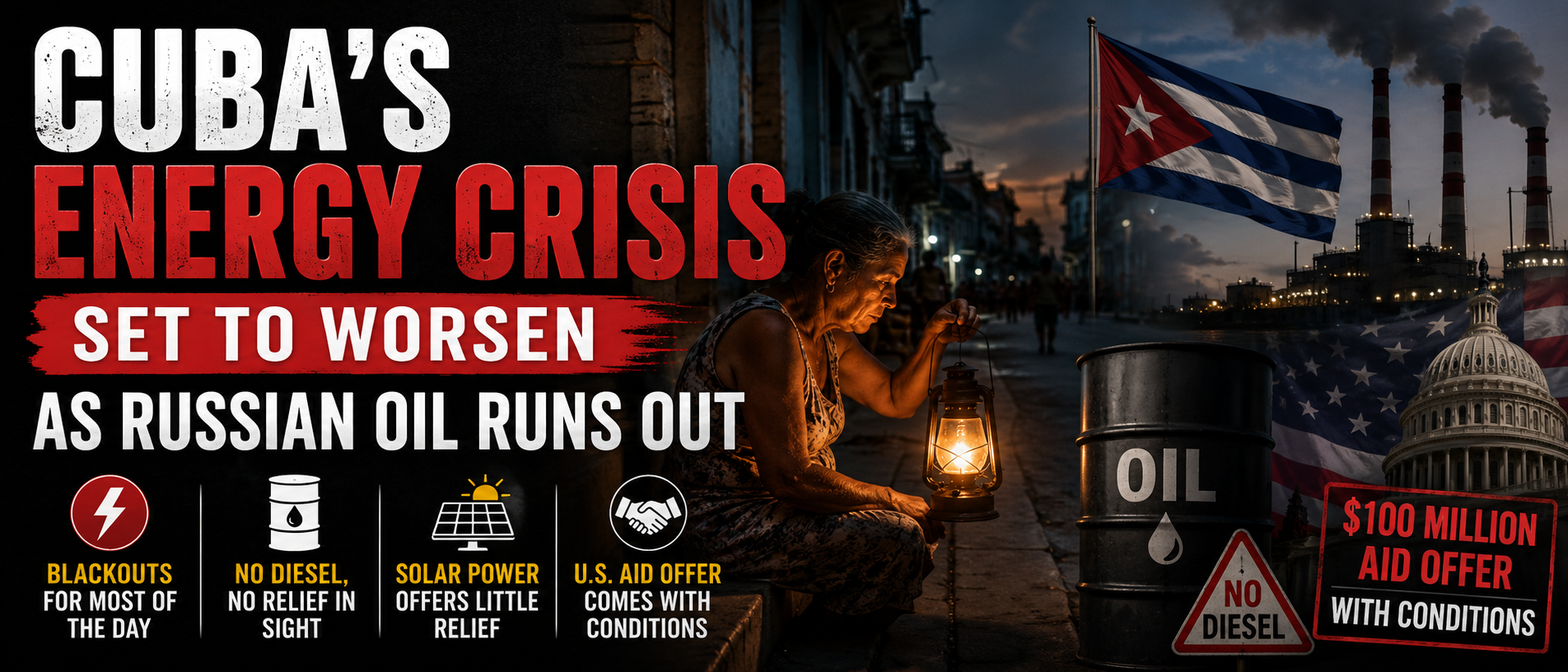
The timing could not be worse, with summer temperatures rising and demand for electricity increasing across the Caribbean islands. "The situation is very tense," the minister said, acknowledging that the island has no diesel left to keep its struggling power grid operating.
Blackouts for Most of the Day
The effects on ordinary Cubans are dire and getting worse by the day. By early May, the Russian oil donations ran out, and residents now endure blackouts for most of the day, in many cases all day. Blackouts in Havana, the country's capital, reportedly last more than 20 to 22 hours a day. Some residents have insufficient electricity to charge basic devices like electric mopeds or mobile phones.
Many have adapted by getting up in the middle of the night, when power is briefly available, to do laundry and cook, among other things. Small groups of Cubans have started taking to the streets, often at night, banging pots and pans in protest against the prolonged power cuts.
The Crisis Is Made Worse by an Oil Blockade
Cuban officials say the island's energy problems have been greatly aggravated by what they describe as an effective oil blockade imposed by the United States. Cuba has been cut off from oil shipments for more than four months, apart from one Russian oil donation, since a US attack on Venezuela and the Trump administration's designation of the Cuban government as a threat to American national security in January.
Cuba had depended heavily on Venezuela, a major oil producer, as a supplier, and the severed ties have left the island without any workable source of fuel to power its grid.
Solar Power Provides Little Relief
Cuba has attempted to plug part of its energy deficit through solar power, installing more panels donated by China across the island. But the minister said solar power generation is highly variable with cloud cover and changing weather conditions. Furthermore, without the expensive battery storage systems needed to hold onto the electricity generated in daylight hours, the solar panels offer no real relief during the nighttime hours when demand is at its peak. The problems with the solar solution highlight how hard it is for Cuba to generate power without a steady stream of fuel.
US pressure and a $100 million aid offer
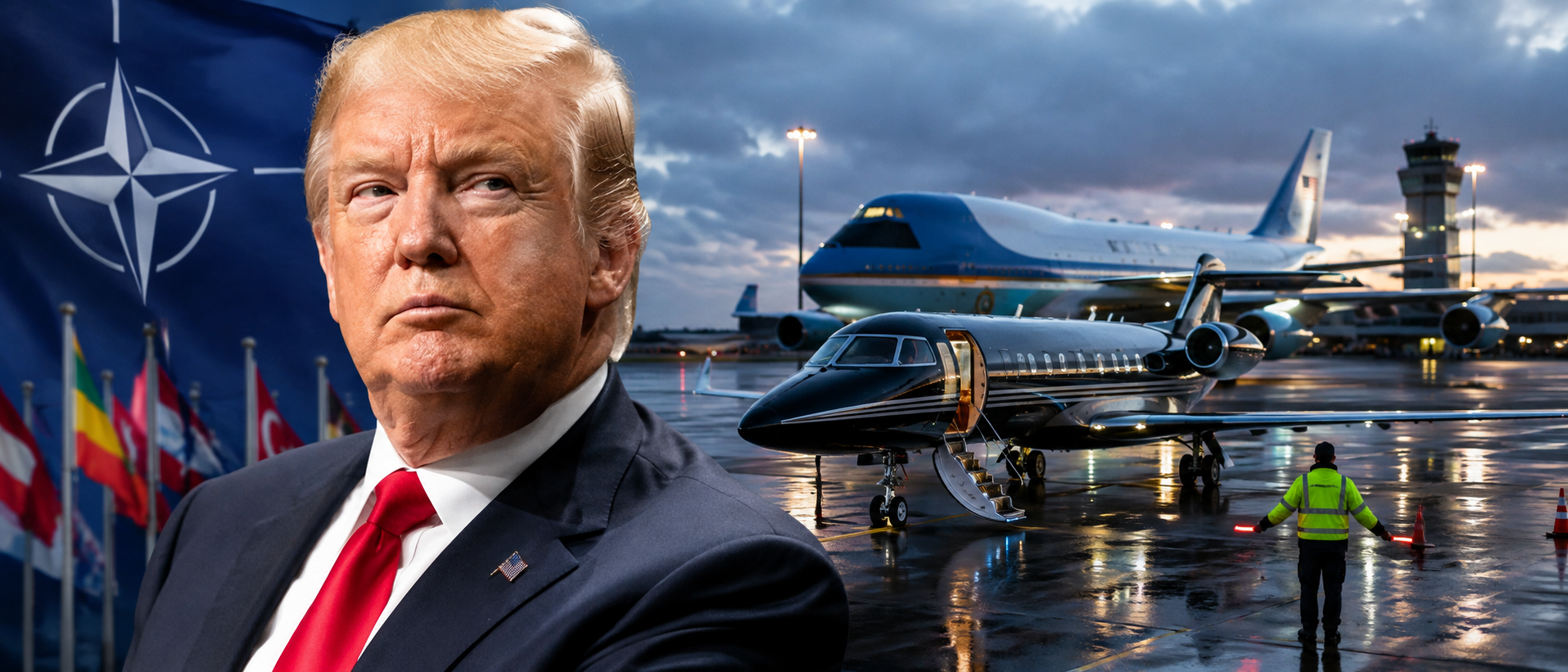
The energy crisis is coming at a time when the United States is applying a lot of geopolitical pressure. The Trump administration has made it clear that it is trying to force Cuba to open itself up politically and economically and to remove its top leadership as a condition for lifting economic sanctions. President Donald Trump said the Cuban government is close to collapse and has suggested he's considering using military force on the island.
Such pressure has been strongly rejected by Cuban officials, who have promised to oppose any military intervention. In the midst of the standoff, the US State Department announced Wednesday it was offering Cuba 100 million dollars in aid, but only if the country undertakes meaningful reforms to its communist system.
Cuba's Wary Reply to Offer of Assistance
The Cuban government received the American offer of help with cautious optimism. Cuban Foreign Minister Bruno Rodríguez said the government is ready to listen to the proposal, but he said key details remain unclear, including whether the assistance would come in the form of material goods or cash and whether it would be directed toward the most urgent needs of the population, specifically fuel, food, and medicine. Cuban President Miguel Díaz-Canel said that Cuba would not have any obstacle or ingratitude to such an offer, but stated that there is a simpler and faster solution.
He said the harm could be mitigated much more readily and rapidly by removing or relaxing the existing blockade and presented the humanitarian crisis as one that the United States has the ability to solve without strings.
What Cuba Has in Store
Cuba's energy outlook is deeply worrying in the coming weeks, with no diesel left, solar power failing to meet demand, and diplomatic negotiations still in their early and uncertain stages. The hottest months of the year are coming, and demand for power will only increase, increasing pressure on a grid that is already unable to meet the basic needs of the population.
It remains to be seen whether the American aid offer will make a meaningful breakthrough or become another point of contention in the long and troubled relationship between the two countries, but for ordinary Cubans enduring day-long blackouts, the need for relief is both urgent and immediate.