Seizure of the Ship changes everything
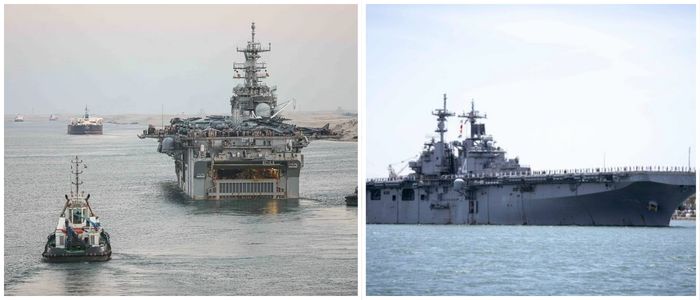
The flashpoint in the current crisis is the U.S.'s decision to seize an Iranian-flagged cargo vessel operating within the Strait of Hormuz. This very narrow, yet critically important, waterway located between Iran and the Arabian Peninsula provides passage for a significant portion of the world's oil supply. Therefore, the Iranian leadership has seized on the seizure of the ship as a concrete act of war. Iranian officials quickly declared that such a hostile act cannot go unanswered, and the Iranian leadership has explicitly stated that their government will not remain passive in the face of actions such as the ship seizure.
The timing and type of retaliation from Iran remain uncertain, but Tehran has been vocal about retaliation, which will add another level of uncertainty to a region that is already struggling with multiple wars and longstanding rivalries.
Trump Announces Possible Talks, but Iran May Not Attend
The United States President Donald Trump announced that he was sending his team to Pakistan for the possibility of negotiating with Iran. This would create an opportunity for diplomacy between two countries that have been enemies for decades. Unfortunately, a source in Iran stated that they would not agree to talk unless the United States first removes the blockade on them, therefore most likely killing any chance of having talks happen. This shows how far apart Iran and the United States are in their preconditions for dialogue and how unlikely any meaningful form of dialogue can occur between Iran and the United States.
Security Preparations in Islamabad for High-Stakes Diplomacy
Until the end of this week, there was uncertainty regarding whether or not Iran would come to talk to the United States; however, Pakistan has moved ahead with significant security preparations in anticipation. There have been significant portions of the city locked down, and around 20,000 security forces will be present to maintain peace and the safety of any delegations visiting Islamabad.
Pakistan's hosting of this potential diplomatic meeting is reflected in the enormity of the security arrangements made in preparation for holding the meeting. Ultimately, however, those security measures will not be implemented unless Iran sends representatives to attend the meeting.
The Blockade at the Heart of the Dispute
Iran's refusal to participate in negotiations is based on the issue of the United States' blockade against Iran. Tehran views the blockade as an act of economic warfare against it and refuses to engage in any negotiations until the blockade is lifted. This situation creates a major obstacle for diplomats and mediators who are attempting to get the two sides together for discussions. The United States has had an economic policy toward Iran for many years, which relies on the use of economic pressure as the primary tool in its strategy. Bridging this considerable gap between both sides over precondition rules may be one of the toughest obstacles to repairing meaningful dialogue.
In Lebanon, amid the Iran-united States face-off, there is still a positive development in the region where one area of the region has experienced a brief period of relative calm. A ceasefire has been in effect for 10 days between Lebanese armed forces and Israeli armed forces, allowing thousands of people to return to southern Lebanon to inspect their homes, many of which were destroyed throughout the course of the conflict.
The photographs of civilians returning to their devastated communities provide a stark reminder of the unbearable human toll that occurs when military conflicts occur as a result of larger conflicts between nations.
A Region on the Brink
The combination of the Iranian seizure of a ship, threats of retaliatory actions, uncertainty about the upcoming diplomacy in Islamabad, and the tenuous ceasefire in Lebanon will create a very unstable Middle East. Each individual item would likely stand alone and not be too overwhelming to manage; however, the collection of these incidents creates an environment that is ripe for unpredictable events to occur at lightning speed.
In the next few days, it will be decisive whether diplomacy can make any progress in the area of conflict or whether the area will continue to descend into conflict. With so many moving pieces and so little trust amongst the key players, the margin for error is extremely small, and the worldwide ramifications of this event could not be greater.