What the Agreement Says
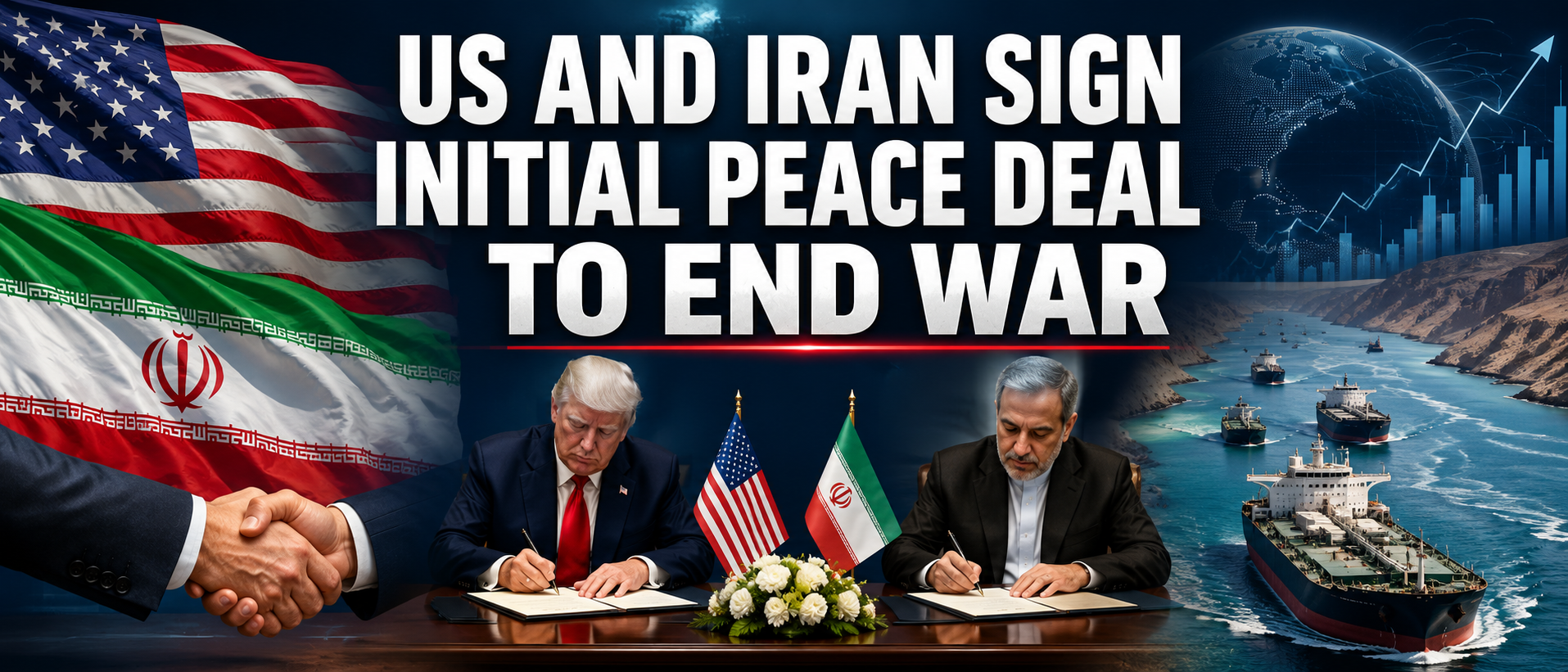
The deal includes provisions to reopen the Strait of Hormuz, a $300 billion package to aid reconstruction in Iran, and a pledge by the U.S. to lift all sanctions on the country. However, the issue of Iran's nuclear programme, which the US had cited as the main justification for the conflict, remains unresolved and is to be negotiated over a 60-day period that can be extended by mutual agreement. Iran's version of the agreement reaffirms it will not procure or develop nuclear weapons, a condition that had been Trump's primary demand since the war began.
Iran will dilute its enriched uranium on the spot, under the watchful eyes of the International Atomic Energy Agency, a softer stance than the U.S. had originally pushed for, which was to have the material shipped out of the country completely. The deal also says ships transiting the Strait of Hormuz will not be charged for 60 days, but it leaves open the possibility of future charges being introduced after that period, a departure from the pre-conflict status quo.
Where and how the deal was struck
President Trump signed the agreement, called a memorandum of understanding, at a state dinner hosted by French President Emmanuel Macron at the Palace of Versailles during the G-7 summit in France. Tehran later said that Iranian President Masoud Pezeshkian also signed the document on Wednesday. Trump, speaking to reporters at the lakeside resort of Evian les Bains, defended the deal, saying it would help avoid a global economic disaster and noting that stock markets had responded positively whenever prospects for peace with Iran seemed to improve.
Reactions by Iranian Officials
Iranian officials, for their part, remained suspicious of the United States despite the signing of the agreement. Iran's parliamentary speaker and main negotiator, Mohammad Bagher Ghalibaf, told state media that Iran's finger remained on the trigger and vowed a strong response if diplomatic language failed. He also said the Strait of Hormuz would not return to pre-war conditions, implying that Iran plans to start charging ships that travel through the waterway after the deal's 60-day grace period expires.
Market Response and Oil Price
Oil prices fell slightly in response to the news on financial markets. Brent crude dropped around 1% to $78.79 a barrel in early Asian trading on Thursday, but prices were still about $8 above levels seen before the conflict kicked off. The reaction suggests investors remain wary that the deal will hold, given the unresolved nuclear question and continuing regional tensions.
Israel and Lebanon: Tensions
The first point of the agreement is to stop military operations on all fronts immediately and permanently, including in Lebanon. But Israel said Wednesday it planned no withdrawal of its troops from the country and hit Hezbollah. Trump has reportedly grown concerned that continued Israeli military operations against Hezbollah could jeopardize the larger deal with Iran, and he raised the issue directly with Israeli Prime Minister Benjamin Netanyahu at the G7 summit, calling him a good man who could use a softer touch, while hinting that not every building connected to Hezbollah needed to be leveled.
Republican Reaction in US Domestic Politics
The deal has faced criticism from lawmakers across the political spectrum in Washington. Republican Senator Bill Cassidy of Louisiana called it one of the worst foreign policy decisions in decades. Republican Senator Ted Cruz of Texas questioned the $300 billion fund for Iran, saying putting money in the hands of the Iranian government was a bad idea.
US officials dismissed suggestions that direct payments were involved, saying no money would change hands, and citing the hypothetical example of Emirati officials potentially building a power plant in Iran with US permission instead. Trump also suggested that frozen Iranian assets should eventually be returned, saying the funds were Iran's. Democratic lawmakers, including New Hampshire Senator Jeanne Shaheen, said the deal did not go far enough to address Iran's support for regional proxy groups, including Hezbollah or its missile programme, and was short of the goals Trump had originally set out when the conflict began.