Market Response to the Increased Level of Conflict
The Nikkei 225 index in Japan dropped approximately 3.6% and the Kospi index in South Korea tumbled approximately 6% following US President Donald Trump's strong threats on Saturday to "obliterate" Iranian power plants if Iran continued to block the ability to ship through the incredibly critical Strait of Hormuz.
Iran warned if action was taken against its infrastructure, there would be retaliation against key infrastructure throughout the region including many of the large energy facilities. As a result, the growing tensions are making many nations, particularly those that are heavily dependent on imported energy supplies, extremely concerned about continued disruptions to their source of energy.
Japan and South Korea have both been impacted significantly as both rely heavily on shipments of oil and gas through the Strait of Hormuz.
The Impact of the Strait of Hormuz on Energy Supplies
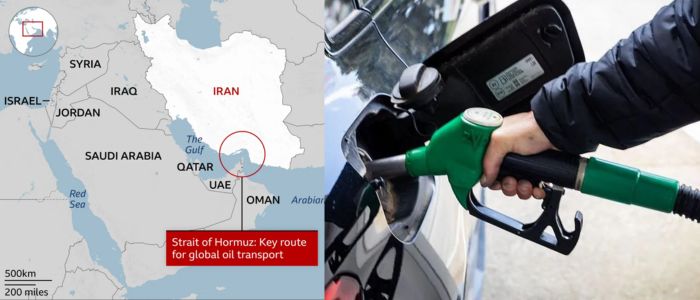
As a result of the attacks by the US and Israel on Iran on 28 February, Iran has essentially blocked the Strait of Hormuz. The Strait of Hormuz is one of the busiest oil shipping lanes in the world, approximately 20% of the world's oil and liquefied natural gas (LNG) are shipped through the strait.
The closing of the strait has caused the continued rise in fuel prices globally and has instigated a large worry about shortages of energy products worldwide. Patick Birol, director of the International Energy Agency, in a speech at the National Press Club in Australia's capital city, warned Monday that the current events might lead to the worst energy crisis in the last 30 years.
He stated that the current events are similar to the energy crisis experienced in the 1970s and the impact of Russia's invasion of Ukraine on energy prices. "This crisis at this time can be called two oil crises and one gas crisis combined into one", he said.
Escalating Threats Affecting Broader Markets
On Saturday night at 23:44 GMT, Donald Trump repeated his threat in a social media post that if Iran did not fully open the Strait of Hormuz within 48 hours, there would be US air strikes on key Iranian power plants.
This warning was issued after Iranian missiles were launched against the city of Dimona in Israel and before the missiles launched in Arad, Israel.
The speaker of Iran's parliament, Mohammad Bagher Ghalibaf, warned that if US airstrikes hit any Iranian power plants, the energy and desalinization infrastructure throughout much of the region would be "irrefutably destroyed".
The increased risk of an escalation in hostilities has already had an impact on the broader markets; the Hang Sang index in Hong Kong fell approximately 3.5% and the Shanghai Stock Exchange Composite index fell approximately 2.5%.
While there were heightened concerns in the oil markets, Brent Crude oil only rose by 0.45% to US $112.69 ($84.56) per barrel and WTI rose by 0.70% to US $98.93.