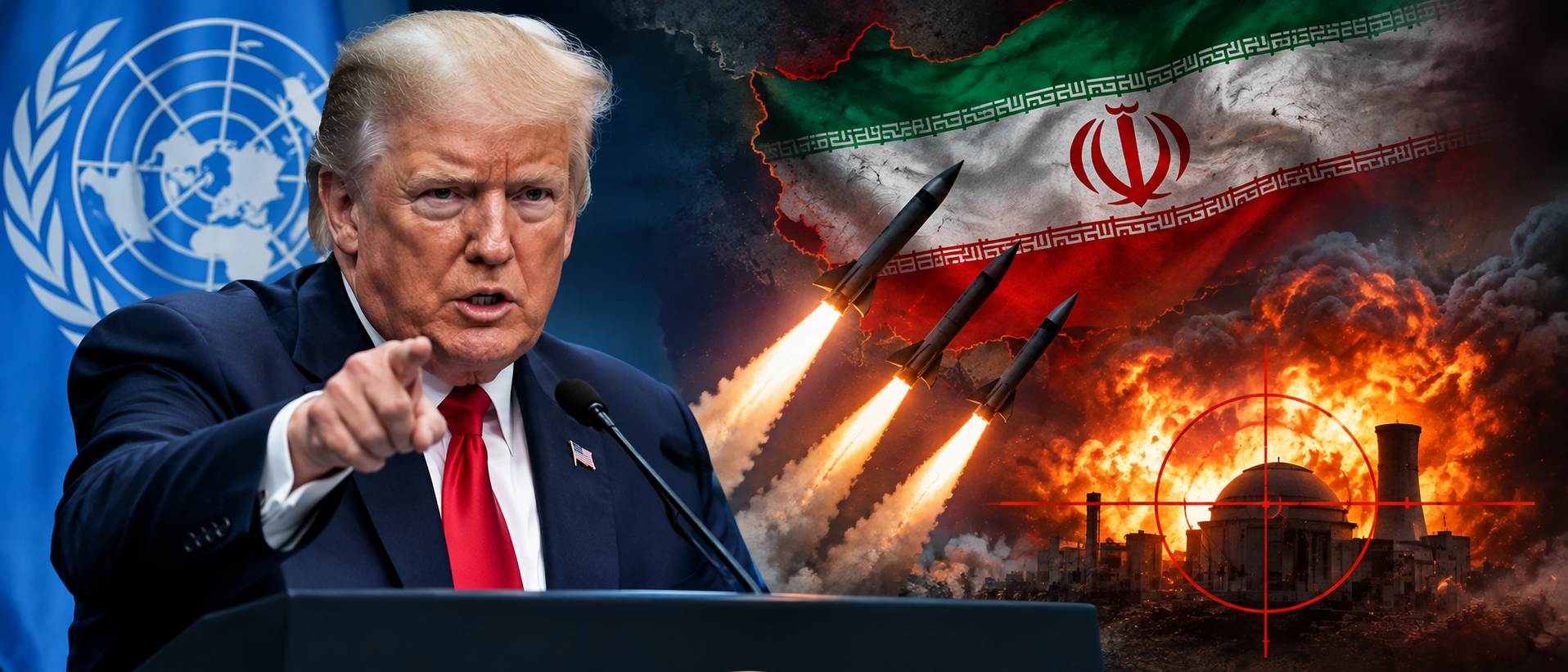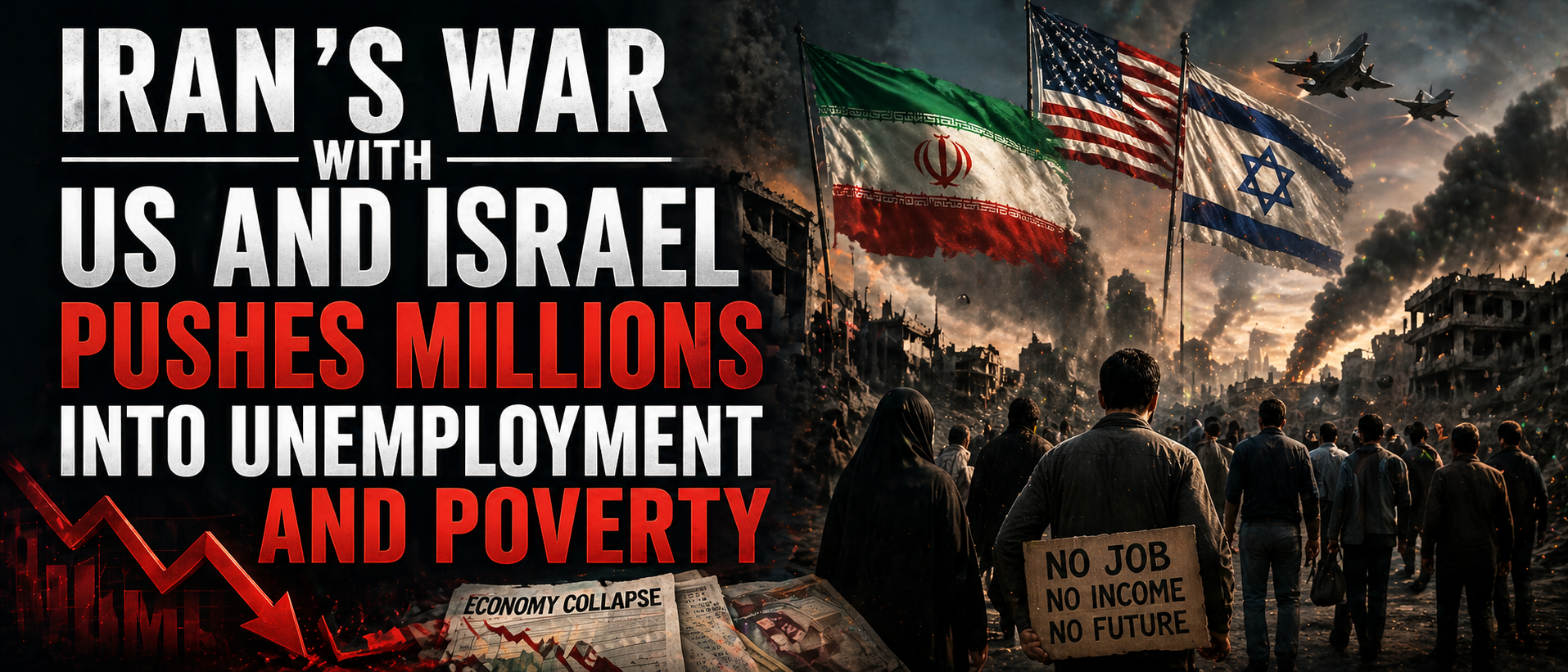
Workers in virtually all sectors have either become unemployed, been placed on unpaid leave, or had their companies close entirely. The UN Development Programme (UNDP) estimates that as many as 4.1 million additional people may end up living in poverty as a direct consequence of the ongoing Iran-US conflict.
The national per capita income that was $8,000 in 2012 will have decreased to approximately $5,000 by 2024, and the rapid decline has accelerated since the onset of hostilities.
Widespread loss of employment across Iranian companies and industries. The physical damage caused by the thousands of airstrikes committed against Iranian governmental and civilian targets has resulted in an astronomical amount of economic damage throughout Iran.
According to the Iranian Deputy Minister of Labor and Social Security, Gholamhossein Mohammadi, approximately 23,000 factories and businesses have been attacked, resulting directly in the loss of 1 million jobs. Additionally, 1 million more Iranians have lost their jobs because of the negative economic effects of the attacks. Disruption of shipping and the importation of goods has threatened the jobs of 50% of Iranians and forced an additional 5% of the population into poverty, according to recent analysis prepared by the Quincy Institute (Washington, D.C.).
As of March 2017, the inflation rate has reached 72%, with many essential items increasing in value well beyond 72%. Thousands of workers have been laid off due to the damage caused by the recent air strikes by Israel on Iran's petrochemical industry. There have been many layoffs at large companies such as Borujerd, which is one of the largest textile manufacturers in Iran; 1,500 people have lost their jobs due to layoffs from Maral Sanat, a trailer manufacturer that cannot get its steel supply to produce trailers.
Many of the workers affected by these layoffs include airline flight crews, trucking drivers, refinery workers, media journalists, and people who work in e-commerce. The amount of unemployment insurance claims in Iran has skyrocketed; from the beginning of this year until now, there have been 147,000 new applications for unemployment insurance that have been filed. This is three times the amount of unemployment claims filed for this same time period last year.
Women and Vulnerable Workers Are Most Impacted
The effect of the economic downturn on the Iranian economy has had the most significant impact on informal workers and those with lower to mid-level job skills. Women who were working from home were also hit hard, with nearly two months of internet interruptions, they could not earn any money through their online jobs.
Women make up one-third of unemployment claims since the conflict started in Iran. Workers such as freelancers, online teachers, and digital workers have had their income drop to almost nothing in a matter of weeks. One freelance fashion designer from Tehran stated that since the internet was turned off, he has received no new jobs or communication from his clients. One data analyst stated that his place of employment shut down and that he was considering driving for a ride-share company just to pay his rent and his other bills.
Economists and business organizations believe that without immediate government assistance in the form of deferment of taxes, providing low-interest loans, and giving assistance to small businesses, there will be another more extensive wave of unemployment coming in Iran. The Tehran Chamber of Commerce has stated that the preservation of jobs should be the number one priority of the Iranian economy. However, critics have said that the Iranian government is not acting quickly enough to alleviate the current crisis.
The Ettelaat newspaper stated that the present situation in Iran is dire and complex, and recommended that there should be special wartime economic programs and not just vague assurances for help.