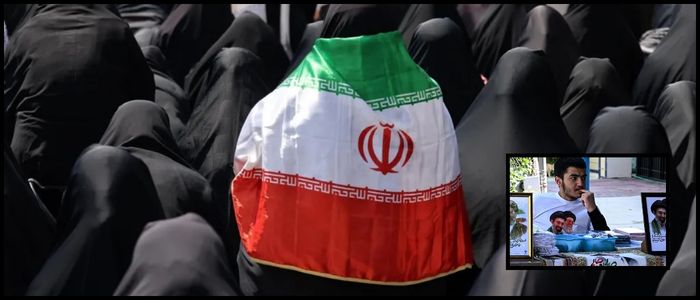
Hardliners reject any decision made concerning the ceasefire.
Prior to the Iranian government coming to agree to the ceasefire, large banners were hung in Tehran stating that the Strait of Hormuz is closed. This is consistent with the statements from Iran's new Supreme Leader, Mojtaba Khamenei, since his assumption of power and his hardline stance on most issues.
Now that Iran has accepted the ceasefire which ends hostilities for a two week period and to open the Strait of Hormuz to shipping after the Government of Pakistan mediated the issue, hardliners in Iran are upset and disagree, believing that Iran now has a definite military advantage and therefore should continue military engagement.
After the announcement of ceasefire in Tehran, there are protests with protesters burning United States flags and Israeli flags. Many of the Basij, which is an auxiliary force to the Iranian Revolutionary Guards marched on the Iranian Foreign Ministry out of concern with this ceasefire agreement. Hardline individuals are also very vocal and publicly denounce the ceasefire agreement as giving a concession to those Iran is engaging against.
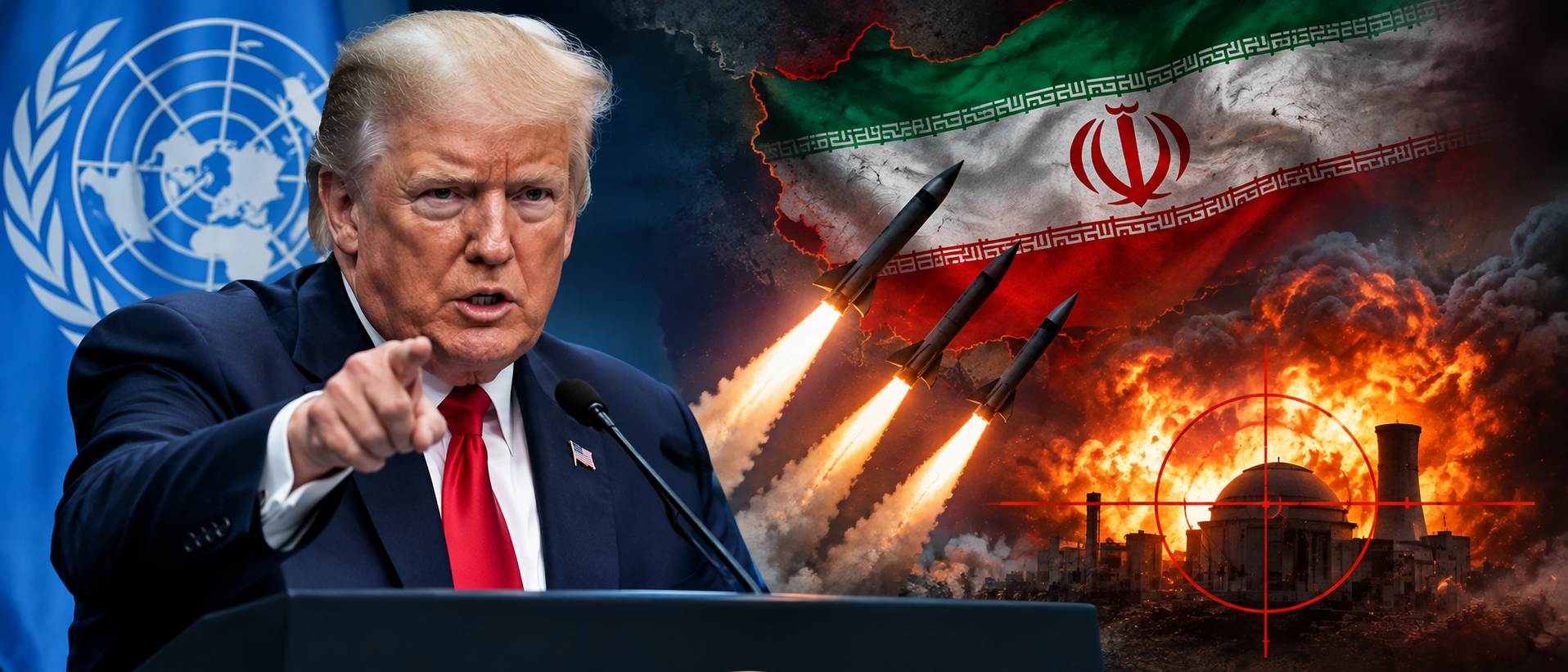
The Iranian Supreme National Security Council, composed of most of the top leadership of Iran under the chairmanship of President Masoud Pezeshkian, must ultimately ratify any ceasefire proposal. However, the hardline factions are a large block of political power in Iran.Iran has taken this pause as a time for strategic manipulation as it tries to regroup at the negotiating table; evidence of the cost of the conflict shows how much damage the conflict has been to the country with over three thousand deaths and many other areas being destroyed; with increasing strains from the outside world, with U.S. President Donal Trump verbally threatening Iran, perhaps it is contributing to Iran's decision to move forward temporarily?
Many international players have influenced Iran's decision from events in China. Reportedly, China had urged the Iranian regime to seek resolution through mediation; supporting Pakistan's attempt of de-escalation.
Even some of the hardline member's (Iranian Chief Justice Gholamhossein Mohseni-Ejeie) of Iran's leadership agreed that the ceasefire was needed; indicating January 22, a willingness to work toward the end of the conflict while maintaining some leverage over other players due to the growing cost of continuing this conflict for Iran.
Move to Direct Talks
The most encouraging thing is the willingness of Iranian leaders to now have direct negotiations with the United States when for years the late Supreme Leader Ali Khamenei, would not even consider talking with the U.S.
Iranian leaders have indicated the Iranian Parliament's Speaker (Mohammad Bagher Ghalibaf) may lead a delegation to Islamabad, to meet with U.S. Vice President (JD Vance). This is a major step in a new diplomatic area for the new Iranian leadership.
The hardliners still feel that entering and negotiating will weaken the Iranian position and give their adversaries the chance to recover.
Temporary Relief & Uncertain Future
The ceasefire has provided many Iranians with a much-needed reprieve, given all the violence from the last few weeks; however, the ceasefire will only be temporary if both sides of the ceasefire do not continue negotiations.
If these negotiations are to collapse, it would not take long for the conflict to escalate back to where it was. There are two factions visible in the internal elements of the Iran leadership (i.e., military vs. economic), and those driving these issues, continue to shape how the leadership acts to the crisis.