Balancing the Two
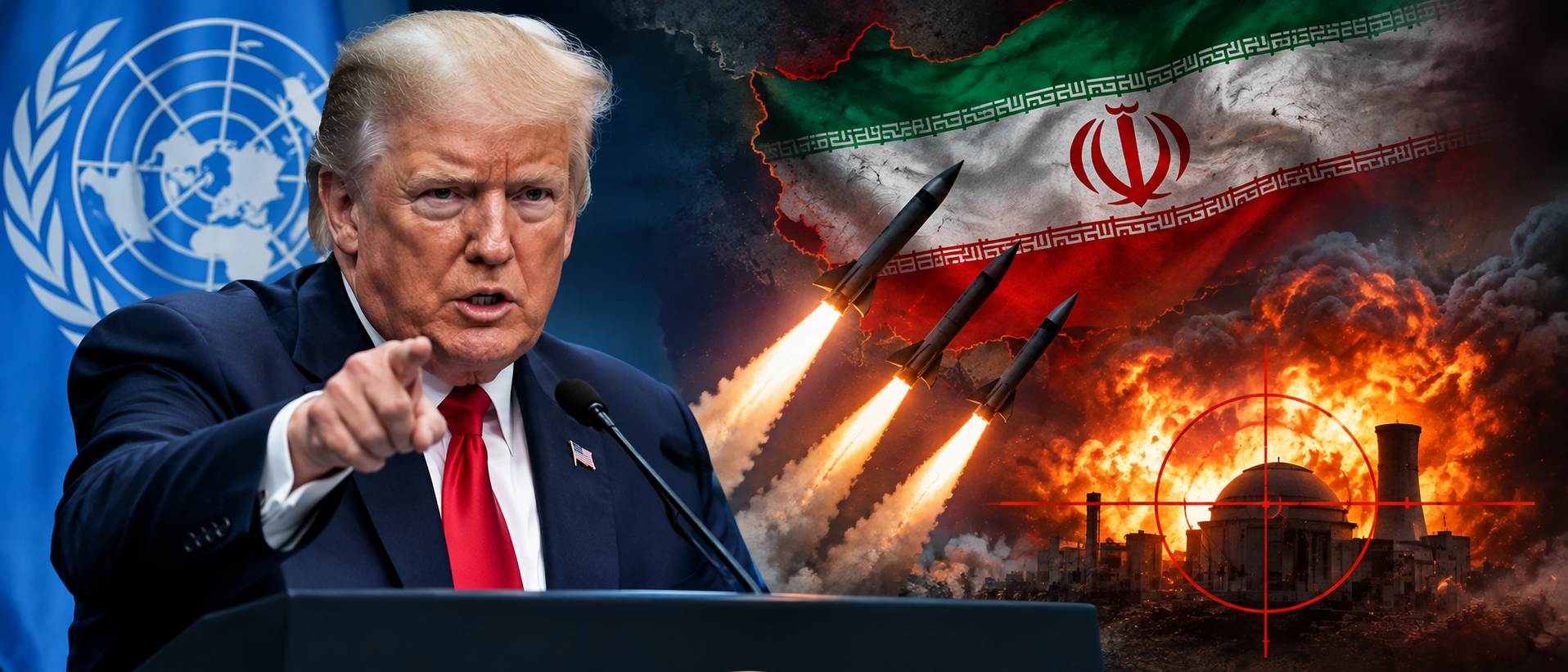
Part of Pakistan's involvement relates to President Trump's personal relationship with Pakistan's army chief, Field Marshal Asim Munir; Trump has called Munir (whom Trump describes as his favorite field marshal) having a greater understanding of Iran than anyone else.
So also do geography and diplomacy play a role in this process for Pakistan — it has a nearly 1,000 km (nearly 600 mi) border with Iran, and it has a so-called brotherly relationship that includes a lot of religious similarities and cultural ties with Iran. In contrast, Pakistan does not allow the US Air Force to fly out of its country, and it has also avoided becoming directly involved in the current conflict like a number of Gulf Arab states.
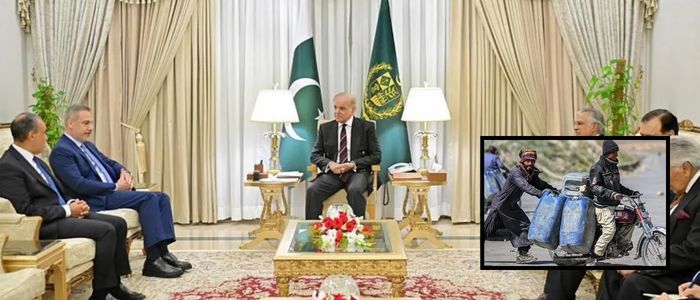
This very fact allows Pakistan to serve as a conduit or communication bridge between Tehran and Washington to convey messages from/to both parties, host between foreign ministers from Muslim states, and act diplomatically. However, many people question how a nation facing ongoing tensions with both Afghanistan and India can act as a broker of peace among others.Military operations in Afghanistan are being conducted by Pakistan, with accusations being made against the Afghan Taliban regarding their support for militant groups. Tensions between Pakistan and India last year have led to fears for nuclear escalation so Pakistan will have to continue to maintain an extremely delicate diplomatic balance between both nations, even though there are significant economic pressures placed on Pakistan to push for a de-escalation of the conflict encapsulated within the region.
Economic Pressure and Strategic Risks
Pakistan has considerable economic incentives to initiate a process of de-escalation. The country is heavily reliant on imported oil, much of which transits through the Straits of Hormuz. Therefore, as the conflict between both countries escalated in intensity, Pakistan raised petrol and diesel prices by approximately 20 percent in early March and implemented other measures to conserve fuel, like the introduction of a four-day work week for government employees.
Experts have expressed concern that a prolonged conflict will place undue strain on the economy of Pakistan. Additionally, there are security concerns associated with the possibility of regional alliances changing. For example, Pakistan signed a defense agreement with Saudi Arabia in September 2022; this defense agreement states that an act of aggression against either country will be viewed as an act of aggression against both countries. As Saudi Arabia is directly involved in the conflict, this would place Pakistan in an uncertain position should Saudi Arabia decide to become directly engaged in the conflict.
Moreover, domestic pressure is building in Pakistan. For instance, since the killing of Iran's Supreme Leader by a U.S.-Israeli airstrike, there have been protests throughout Pakistan, with large groups of people protesting in support of Iran. At least one of the most notable protests (the attack that was attempted on the U.S. Consulate in Karachi) was violent in nature. The general public sentiment in Pakistan is considered to be dramatically pro-Iranian in nature; therefore, the diplomatic balancing act the Pakistan government is currently making is extremely sensitive in nature.
Global Ambitions and Diplomatic Gamble
Pakistan's efforts to mediate between the warring Islamic factions also reflects the desire for Pakistan to increase its global status. Many analysts believe that Pakistan is attempting to exhibit its ability to influence the international scene using high-level diplomacy. If successful, the position that Pakistan occupies in making contact with the local governments in order to broker a long-term peace could significantly elevate Pakistan's status in the international community.
The country has, additionally, been actively expanding its influence with other world leaders, for example, by nominating former President Donald Trump for the Nobel Peace Prize due to his role during the Pakistan-India conflict of 2025. In addition, in an example of possible goodwill between the two countries (the U.S. and Pakistan), Afghanistan provided the United States with a key suspect who had been involved in the bombing of Kabul Airport.
Pakistan's diplomatic approach has been termed flexible and unconventional; it has showed an interest in communicating with multiple parties. The diplomatic strategy employed by Pakistan reflects a broader multidirectional concept of foreign policy where countries engage with multiple nation-states as opposed to aligning with only one nation-state.
However, the outcome is uncertain. Experts have indicated that deep distrust exists between the U.S. and Iran, coupled with strong demands made by both sides, has made it difficult for negotiating in order to reach a peace agreement. Should the parties fail to reach a peace accord through diplomacy and the violence further escalates, Pakistan can expect to experience criticism for its involvement in an issue that continues to develop beyond Pakistan's control.
For the moment, however, Pakistan is continuing the process of diplomatic engagement through continued international meetings and diplomatic activities. While the success of Pakistan's diplomatic efforts remains uncertain, the manner in which Pakistan has acted as a mediator can demonstrate the potential opportunities and risk associated with mediation in a volatile conflict.