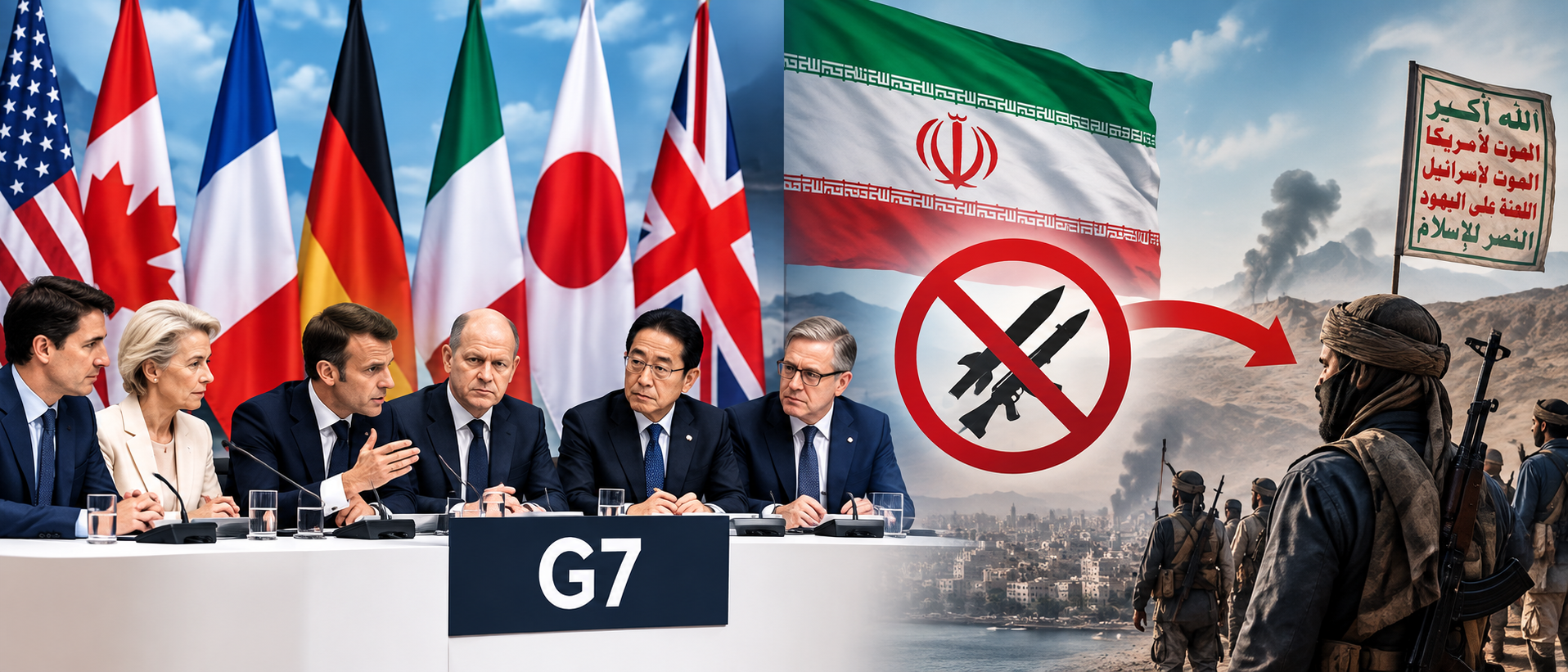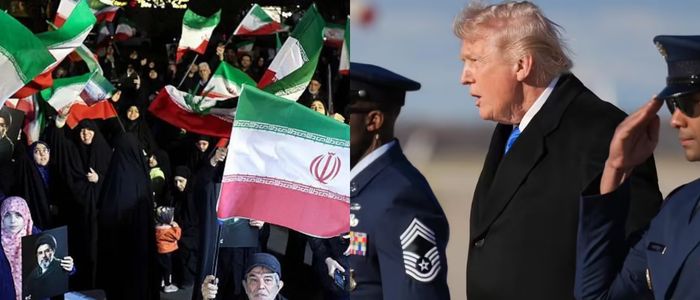
In fact, on Tuesday, the Pentagon announced that it would deploy troops to the region but would also send a new 15-point proposal for negotiating a peace agreement with Iran. On Wednesday, the White House both pressed Iran to accept this proposal and at the same time, warned Iran that they would be severely punished if they chose to reject this proposal.
White House Press Secretary Karoline Leavitt stated, "President Trump does not bluff" and that he is prepared to "unleash hell" should Iran miscalculate again; however, Iran rejected the proposal, creating doubt as to whether discussions were actually taking place that would lead to a legitimate resolution.
Many in Washington, including former officials and US Allies, have expressed their respective concerns that there is no clear outline for what to do next, and one former senior Administration official said it was clear that the President has not adequately considered the ramifications of this situation.Strategic Challenges and the Strait of Hormuz
One of the largest challenges for the United States is still the Strait of Hormuz, where approximately 20% of the total global oil and gas exports move through. Currently, after more than three weeks since the start of the current conflict, the US has not been able to develop a strategy for addressing the Iranian attacks against commercial shipping in the region, causing global prices to spike.
Former National Security Adviser to President Bush, Stephen Hadley, indicated that if the United States wants to be victorious in this conflict, it is critical to attain control of the Strait. However, he also pointed out that due to how limited the Administration's coordination of its actions with its allies has been, international support has been difficult to acquire.
Although the White House has maintained that the United States is in a position of control, the fact that Iran rejected the peace proposal shows that the US does not have that clout. Iran's statement that it would only stop the war on terms favorable to Tehran, as well as its rejection of reopening the Strait to Western ships, both demonstrate the alternate vision for the next stage of conflict.
Political Division and Unclear Results
In addition to renewing old political divisions within the United States, the conflict has created new ones for the governing Republican Party. House Speaker Mike Johnson expressed a belief that the military mission would soon conclude. In contrast, Congresswoman Nancy Mace expressed her disagreement with the deployment of an additional 1,000 paratroopers as a result of a briefing she attended, vowing to oppose any American troops on the ground in Iran.
Additional lawmakers also expressed their discontent, with House Armed Services Committee Chairman Mike Rogers calling out the Pentagon for failure to provide adequate details. This debate sentiment reflects a larger rift between anti-interventionist proponents and supporters of equally aggressive military responses.
The 15 components of the amended peace proposal from Iran reportedly ask for Iranian compliance on all three major aforementioned points (stopping its nuclear program, limiting its ballistic missiles development program, and reopening the Strait), and it was developed with knowledge of prior negotiations led by Jared Kushner and Steve Witkoff, even if modifications have been made.
There has been a brief pause in the planned military escalation due to a statement made by President Trump that negotiations were moving "exceedingly well". Experts caution that it is very unlikely Iran will accept the newly issued ultimatum, because Iran has already adopted a cautious approach to new proposed negotiations that started in late 2023.
Some experts believe that the deployment of elements from the 82nd Airborne Division has been strategically executed to provide a means of pressure on Iran through an attack on Kharg Island, an established point of oil exporting for Iran. Multiple experts suggest that this deployment will increase American leverage over the Strait. However, it will also increase the risk of death to American soldiers.
Many observers feel that the combination of military escalation with changing diplomatic initiatives indicates that the United States does not have a long-term strategy. As of now, no one seems to have an understanding of whether the US will reach its desired outcomes in the current conflict or to bring stability to the region in order to end the conflict.