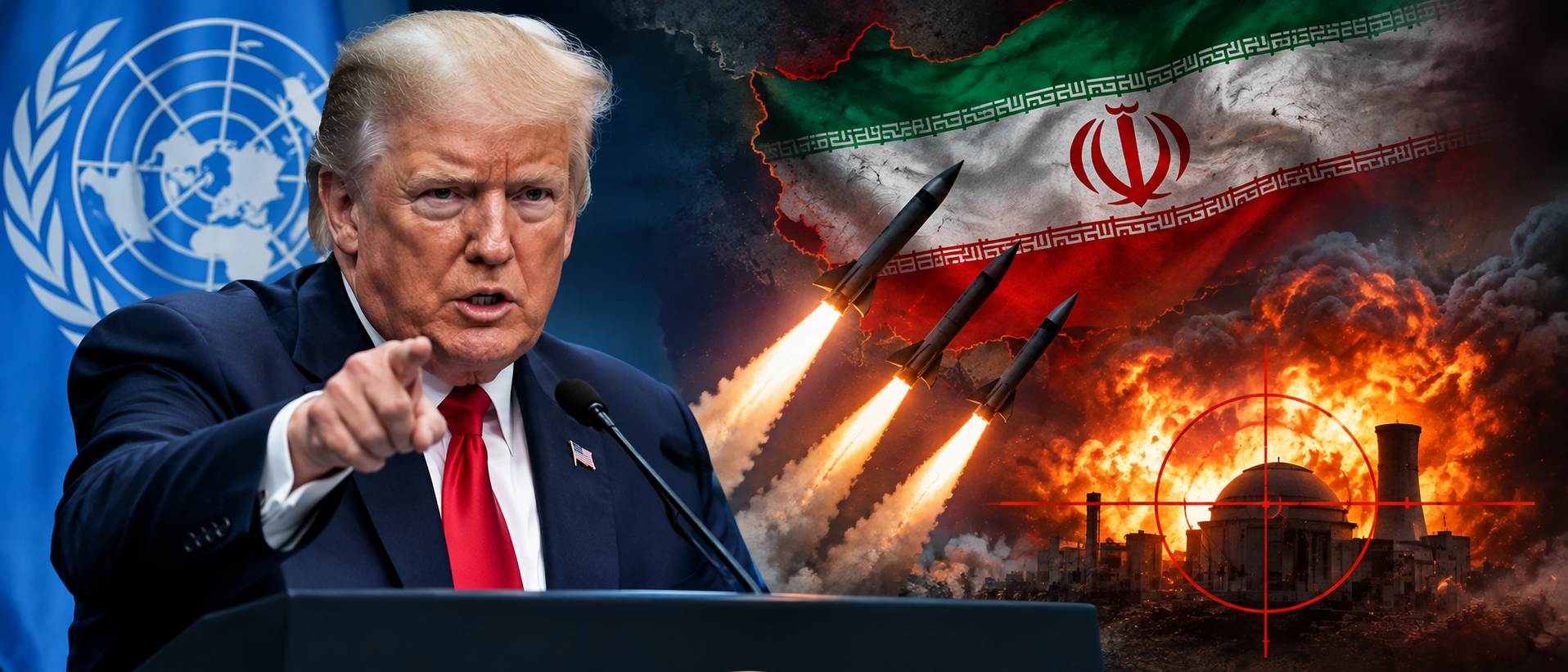
The US military acknowledged awareness of these reports but stated that civilians were never targeted. US Central Command said the strikes on Iran were carried out in response to recent attempted attacks by Iran's Islamic Revolutionary Guard Corps on commercial shipping in the Strait of Hormuz, as well as threats against American forces stationed in the region.
Iran Retaliates Across Multiple Countries
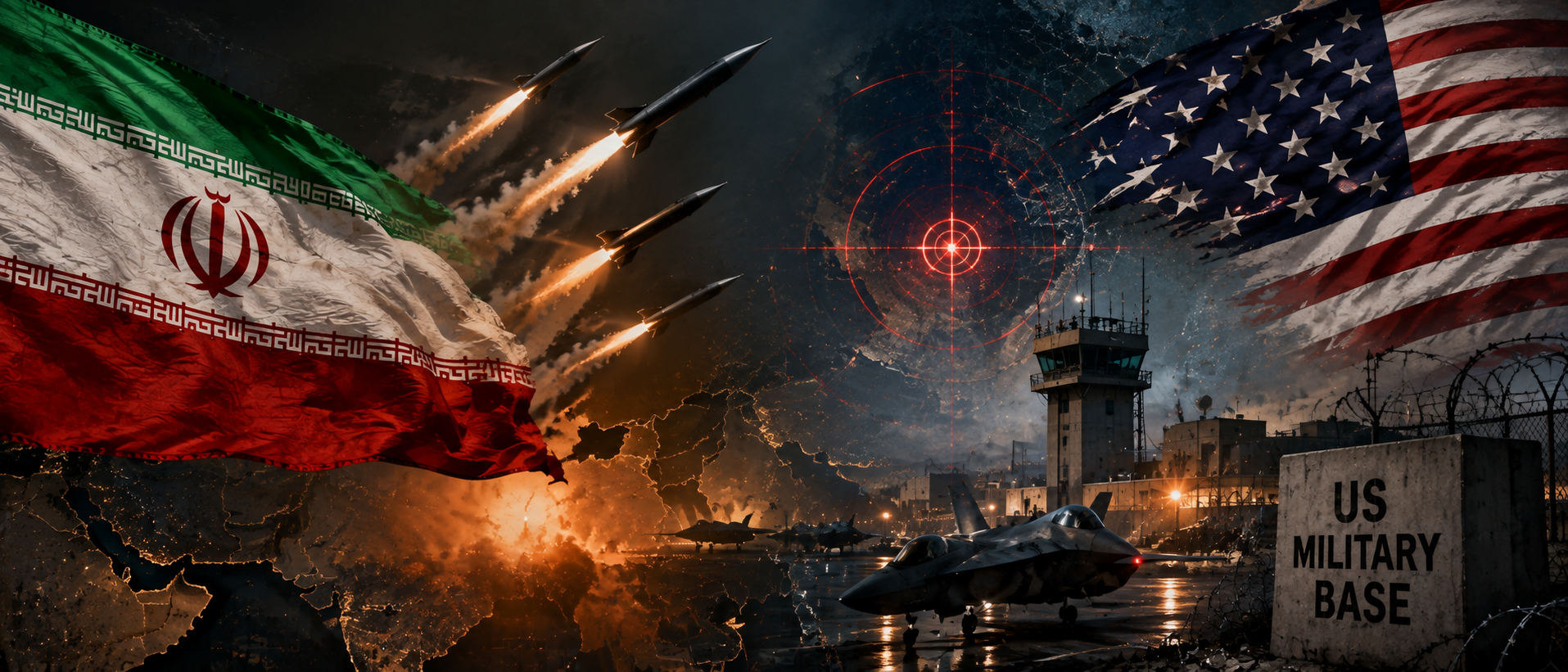
The IRGC warned that the US would come to regret the strikes. By early Wednesday, Iran had launched a barrage of ballistic missiles targeting a US Marine base in Aqaba, Jordan, in direct retaliation for the Sirik attack, according to Iran's semi-official Tasnim news agency. Jordan's Armed Forces confirmed intercepting 13 ballistic missiles, successfully destroying 10 of them, while three landed in remote, unpopulated areas. No deaths or injuries were reported from the attack on Jordanian soil. Jordanian authorities also issued a temporary warning to residents in the Aqaba and Mafraq regions about falling debris, though that warning has since been lifted.
Kuwait's military reported that its air defense systems responded to Iranian missile attacks early Wednesday as well. Separately, several explosions were reported across Bahrain following additional Iranian strikes, according to Iranian state media. In Iraq's semi-autonomous Kurdistan region, Iran's Revolutionary Guards said Wednesday that they had struck US bases using both missiles and drones, claiming to have destroyed a maintenance facility, storage warehouses, and various equipment, according to Iran's state-run IRNA news agency.
Tensions Escalate Amid Expired Ceasefire Agreement
When the US strikes were first announced Tuesday afternoon, President Donald Trump warned that any Iranian retaliation would be met with an even harsher and more forceful response. This marked the first confirmed US strikes on Iran since earlier in the week, when American forces targeted two rocket launchers on Larak Island within the Strait of Hormuz. Iran responded to that initial strike by firing missiles at air bases in Jordan and launching a drone attack against the UAE.
According to Centcom, US forces began striking IRGC-linked targets at 12:00 ET (16:00 GMT) and completed the operation by early Wednesday. Iranian state media reported that projectiles struck areas including Chabahar, Konarak, and an airport in Jiroft, with explosions also heard on Qeshm island and in Bandar Abbas. Iranian state media and the Red Crescent further reported that civilian sites along Iran's southern coast were bombed, including the deadly strike in Sirik county, located along the Strait of Hormuz. US Navy Captain Tim Hawkins, speaking on behalf of Centcom, confirmed awareness of Iranian state media reports regarding the Sirik incident.
The current escalation traces back to February 28, when the US and Israel launched broad strikes against Iran, prompting Iranian retaliation against Israel, US bases, and allied Gulf states, effectively shutting down maritime traffic through the Strait of Hormuz. A ceasefire agreement between the US and Iran, formalized through a Memorandum of Understanding, was signed in June but has since expired, triggering renewed hostilities. Both nations have also targeted shipping vessels, with Iran striking ships it claims attempted to cross the strait without authorization, while the US has enforced a naval blockade against Iranian ports.
Increasing the pressure, Washington announced a new round of sanctions on Aug. 24 aimed at further isolating Iran and expanding secondary sanctions on its allies. Speaking at a meeting of G20 finance ministers, US Treasury Secretary Scott Bessent said a number of US allies had expressed a willingness to take whatever actions were necessary on sanctions against Iran. Iranian officials and state media have generally framed the sanctions as a continuation of earlier US economic pressure, saying it was the result of a failed US military campaign during the wider conflict. Still, Iranian President Masoud Pezeshkian was quoted by state media on Tuesday as saying that if the US returned to honoring the agreement, Iran would respond in kind.