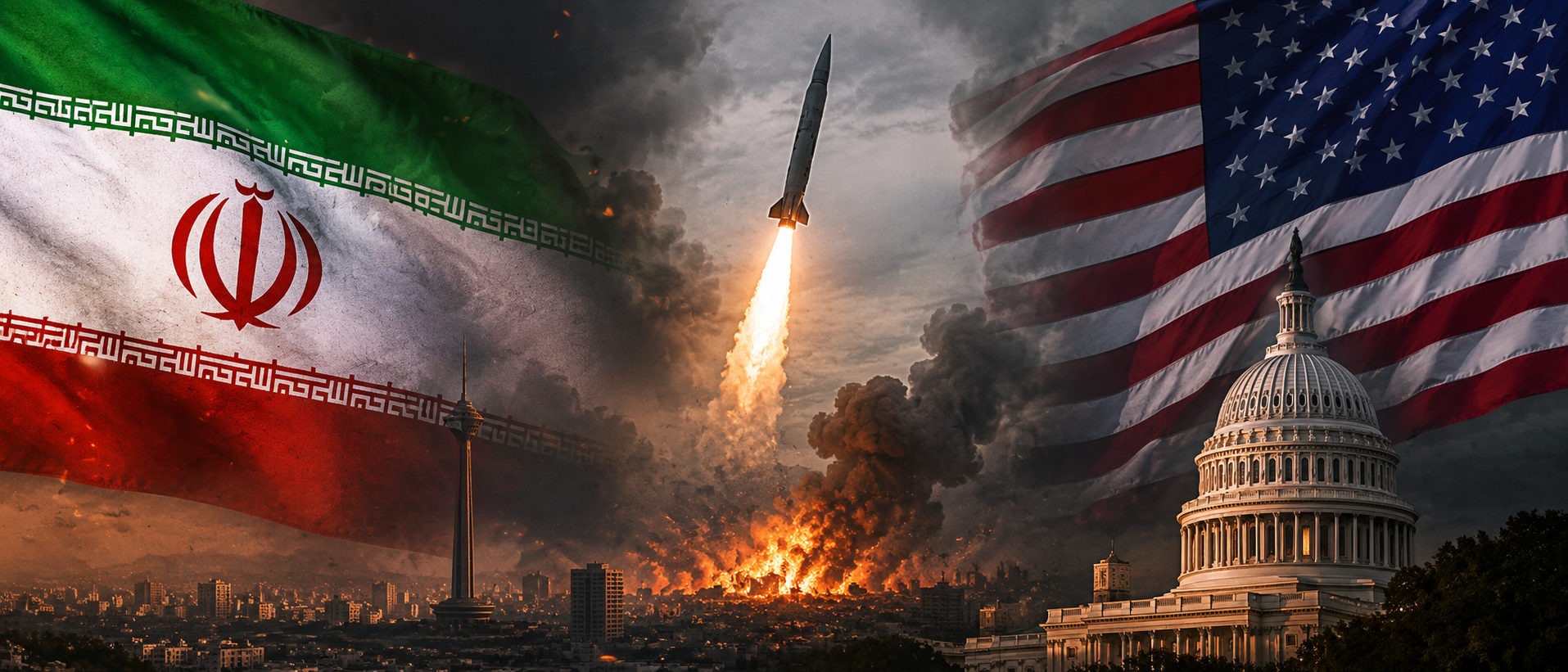
According to Iran's Islamic Revolutionary Guard Corps, the strike killed two people and injured two others. The IRGC vowed what it called "response and punishment" in the aftermath. US Central Command described the operation as a limited and precise action aimed at minelaying forces it said posed an immediate threat to shipping in the Strait of Hormuz. In retaliation, Iran struck US military installations in Jordan, according to Iranian state media. Jordan's army confirmed it intercepted eight missiles early Monday morning.
First Strike Since Trump Paused Military Campaign
This latest exchange represents the first confirmed attack on Iran since President Donald Trump halted a renewed military campaign in late July. Larak Island sits just off the coast from Bandar Abbas, a major port, and lies directly along the Strait of Hormuz, one of the world's most critical shipping corridors. Iran has reportedly been requiring tanker traffic to pass by the island for inspection, charging vessels around $2 million to make the crossing.
IRGC spokesman Hossein Mohebbi described the US strike as a strategic and fatal miscalculation by the Trump administration, warning that the consequences would be felt both economically and militarily. Iranian President Masoud Pezeshkian said in a statement carried by state television that Iran isn't seeking war but would respond decisively to what he called acts of aggression. Iran's Tasnim news agency, which has ties to the IRGC, initially reported that drones were used in the retaliatory strike. Hours later, Iranian media released a statement from the IRGC confirming it had launched ballistic missiles at the US bases King Hussein and al-Azraq in Jordan in direct response to the Larak Island strike. The IRGC claimed the attack caused significant damage, targeting technical infrastructure, maintenance facilities, and positions used by enemy fighter jets.
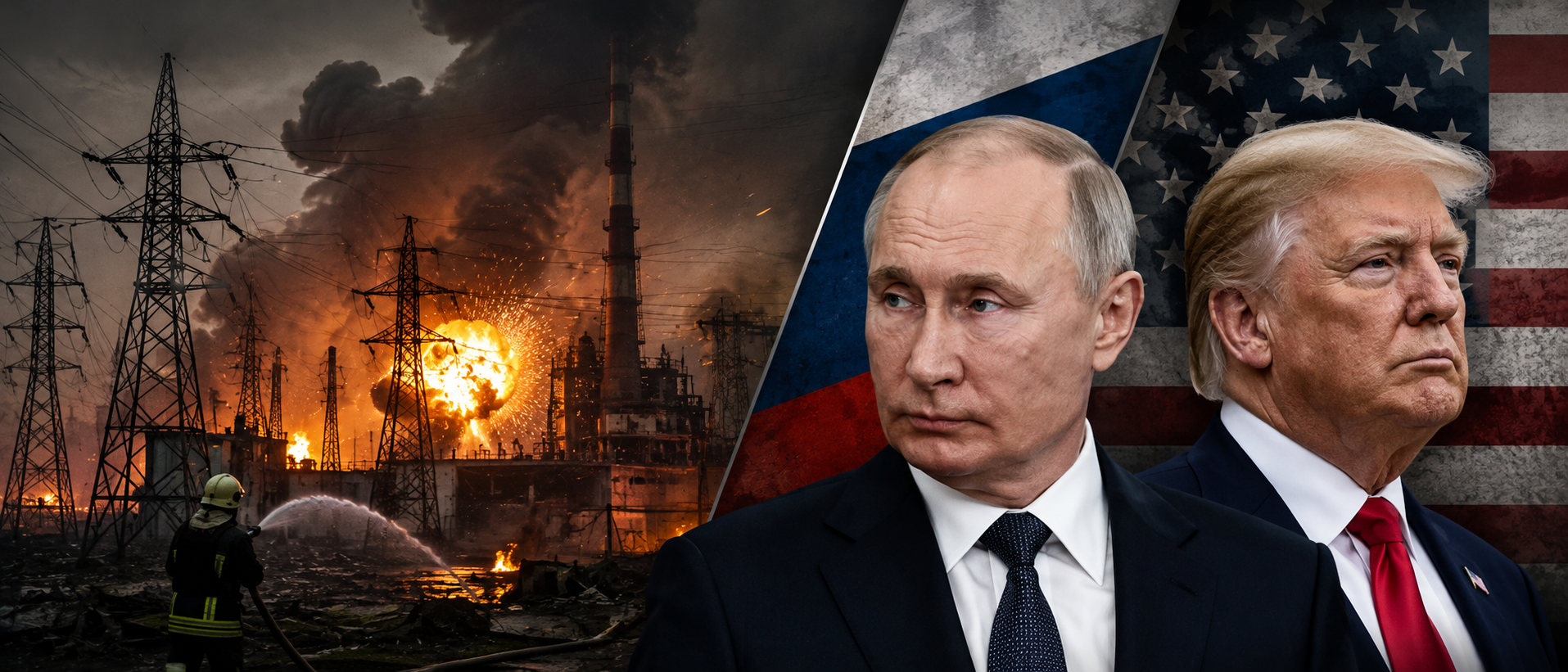
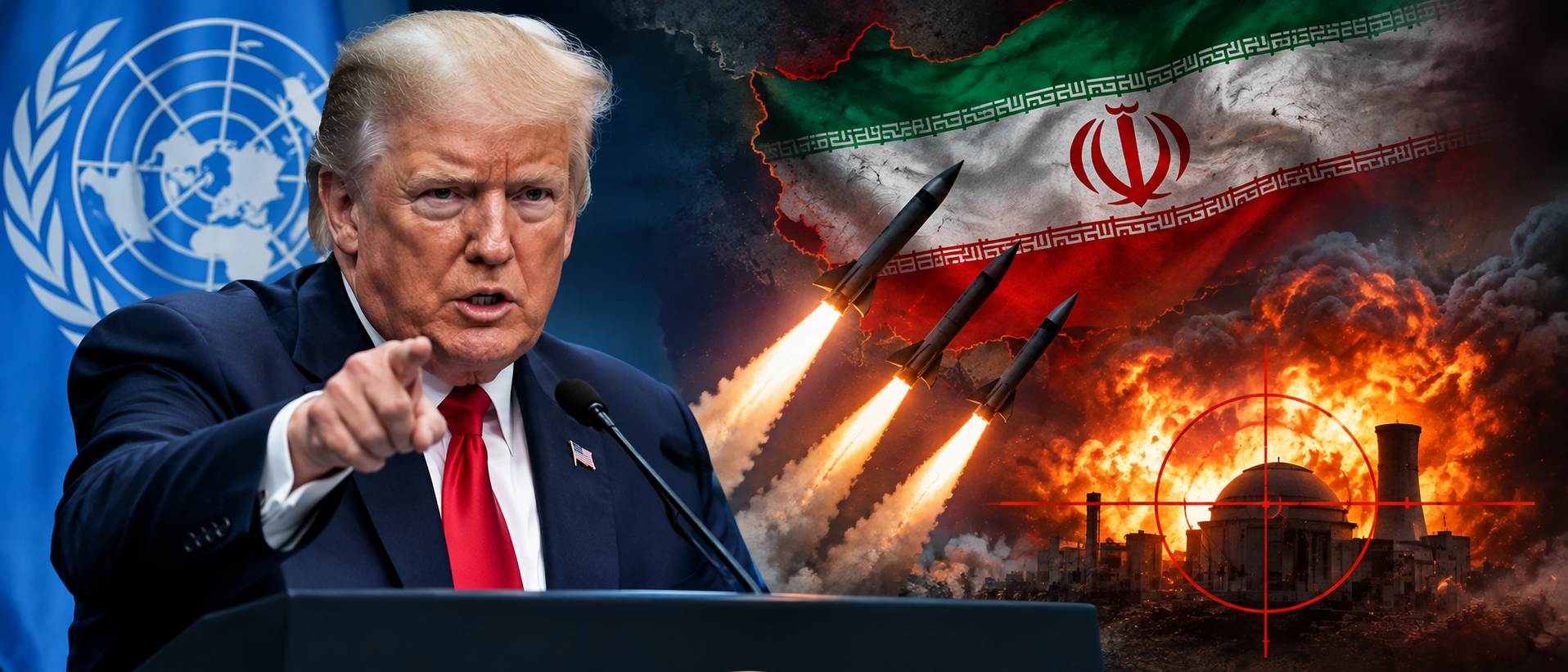
Following the strikes, Trump shared what appeared to be AI-generated videos on social media depicting oil infrastructure exploding, including one captioned as showing Kharg Island, a major Iranian oil terminal Trump has previously threatened to target, being destroyed. No further explanation accompanied the post.
Economic Pressure Mounts Alongside Military Tensions
Trump had claimed last week that mines placed by Iran in the Strait of Hormuz as part of its blockade efforts had all been detonated or cleared, warning that any vessel deploying new mines would be destroyed. Iran's Deputy Foreign Minister Kazem Gharibabadi dismissed this claim as propaganda.
The renewed strikes come as Iran faces mounting economic pressure following a new round of US sanctions announced on August 24, aimed at further isolating Tehran and expanding secondary sanctions against its allies. Iranian officials and state media have largely characterized the sanctions campaign as a continuation of earlier US economic measures, which they argue followed a failed US military effort during the broader conflict.
The current tensions trace back to February 28, when the US and Israel launched widespread strikes against Iran. Iran responded by attacking Israel, US bases, and allied nations in the Gulf region, effectively shutting down maritime traffic through the Strait of Hormuz. The broader conflict has now stretched past the six-month mark. Before the war began, roughly 20% of the world's oil and liquefied natural gas supply passed through the strait.