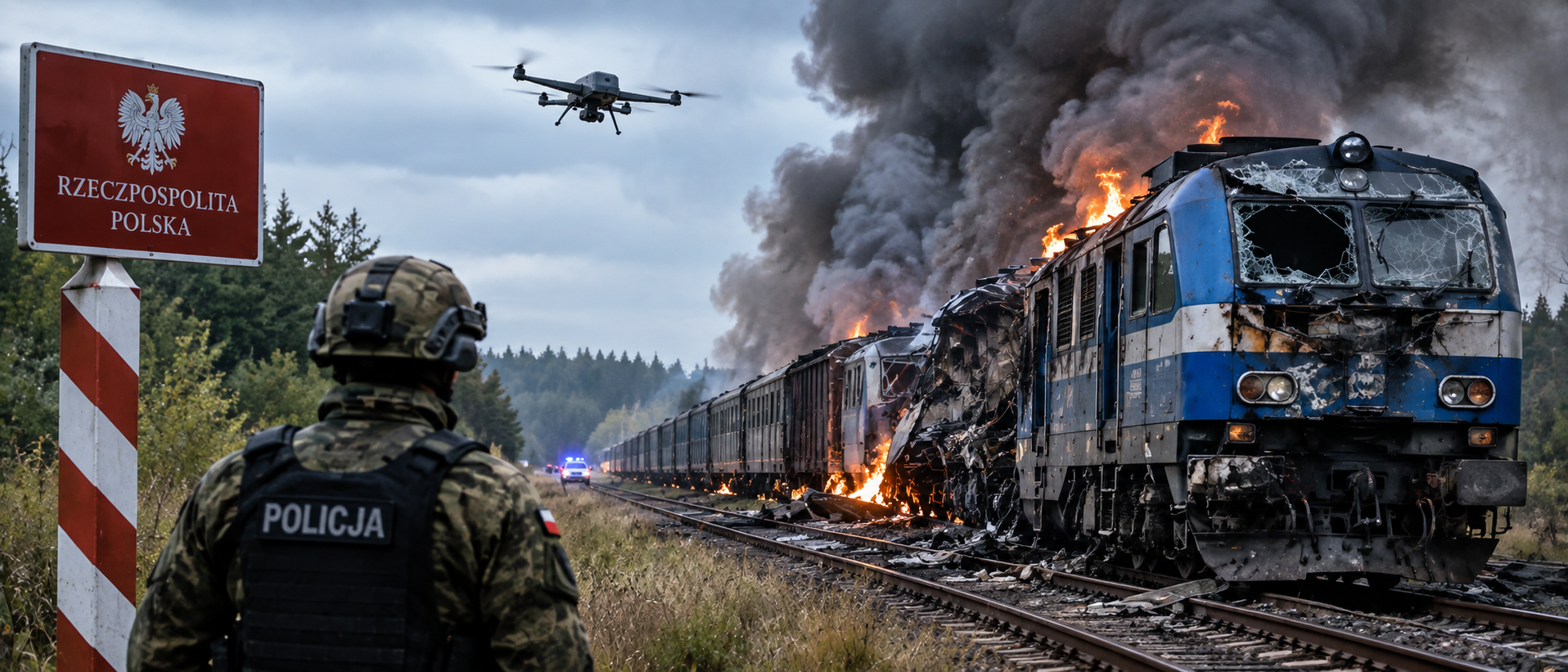
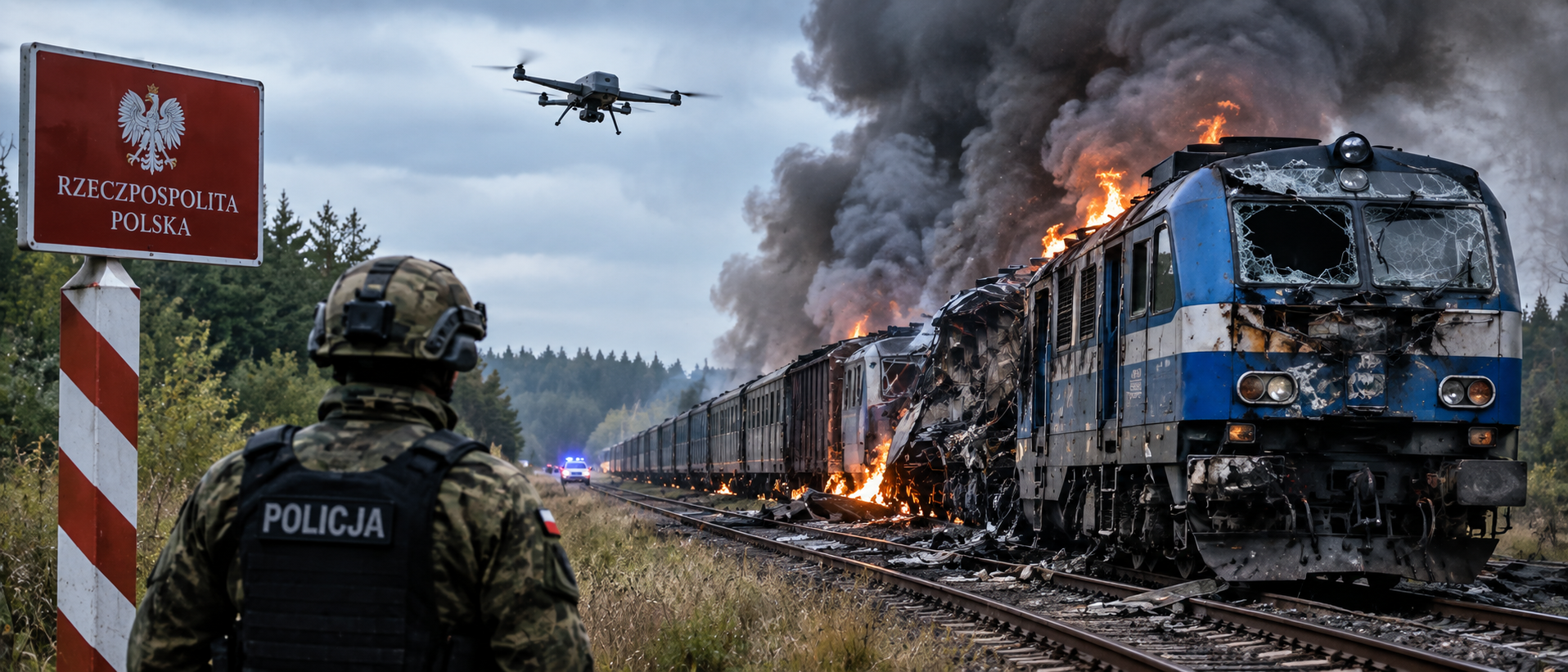
Johnson, along with other European national security advisers, including the UK's Jonathan Powell, had passed along the same rail line aboard a different train while returning from a conference held in Kyiv. Russia stated it had targeted railway infrastructure in western Ukraine, but Ukraine's state railway operator, Ukrzaliznytsia, suggested the diplomatic train itself may have actually been the intended target.
Officials Describe Close Call at Yahodyn Station
Former CIA Director David Petraeus, who was aboard a separate train at Yahodyn station at the time of the strike, described the incident as terrifying. Speaking to the New York Times, Petraeus characterized the attack as the action of a genuinely brutal leader attempting to instill fear in Ukrainian civilians.
Ukrzaliznytsia explained in a statement that the train had departed earlier than originally scheduled due to a timetable adjustment made in response to ongoing threats of Russian strikes. The company also revealed that an evacuation order for passengers on the targeted train was issued just 15 minutes before the Russian jet-propelled drone struck. Both Ukrainian and Polish officials confirmed the drone hit a location roughly 2 kilometers from the Polish border.
Former Swedish Prime Minister Carl Bildt, who had also attended the Kyiv conference, told reporters that passengers aboard his train were initially instructed to prepare for evacuation after the train came to a stop, but were later informed the situation had been cleared and allowed to continue their journey. Bildt's train ultimately arrived safely at the Polish border station in Dorohusk. While some reports suggested Bildt may have shared a train with Johnson, the former UK prime minister has not confirmed specific details about his journey.
Johnson shared his reaction online, questioning what twisted reasoning could have led Russian President Vladimir Putin to strike a stationary Ukrainian train near the Polish border that morning. He described the attack as representative of the kind of random, senseless violence Ukrainians face daily, even on civilian rail lines, and urged Ukraine's allies to urgently provide the air defense systems the country needs.
Ukraine Renews Calls for Stronger International Support
Ukraine has repeatedly appealed to its allies, particularly the United States, for additional interceptor systems to help defend against daily Russian attacks increasingly involving fast-moving ballistic missiles and jet-propelled drones. Ukrainian Foreign Minister Andrii Sybiha described the strikes near the Ukraine-Poland border at Yahodyn as a direct extension of Putin's campaign of terror reaching toward the doorstep of the EU and NATO, renewing calls for additional sanctions against Moscow. He emphasized that Putin must understand his continued brutality will be met with firm action designed to raise the cost of war to an unbearable level, calling it the only effective way to stop him.
In Poland, Prime Minister Donald Tusk convened an emergency meeting to address the developing situation, noting that Russian escalation appears increasingly real and is edging closer to Poland's own border. Johnson and the other European security officials had been returning from the Yalta European Strategy conference held in Kyiv, an annual gathering that brings together political leaders, business figures, and experts in security and media.
Russia appears to be intensifying its broader campaign against Ukraine by targeting trains, railway depots, fuel stations, and border crossings. Earlier this week, Ukrainian President Volodymyr Zelensky reported that two people were killed when Russian drones struck a border crossing between Ukraine and Moldova. Also this week, a female train conductor died following a Russian drone strike on a passenger train in southern Ukraine, while six employees of Ukrzaliznytsia were killed earlier this month when a rail depot in Kyiv was hit. Back in January, Zelensky condemned a separate Russian strike on a crowded passenger train in the northeastern Kharkiv region, which killed five people, calling it an act of terrorism.
These continued attacks have significantly damaged Ukraine's extensive rail network, which serves as the primary mode of transportation for millions of citizens, especially since all air travel has remained suspended since Russia's full-scale invasion began in 2022.
European nations have also raised concerns about suspicious incidents occurring within their own borders. Last week, Germany stated that Russia was responsible for a drone attack at Leipzig's airport in August, an accusation Moscow dismissed as absurd. Additionally, several suspicious fires have broken out at defense-related facilities across multiple countries, from Italy to Estonia, with some governments pointing to Russia as a likely cause.