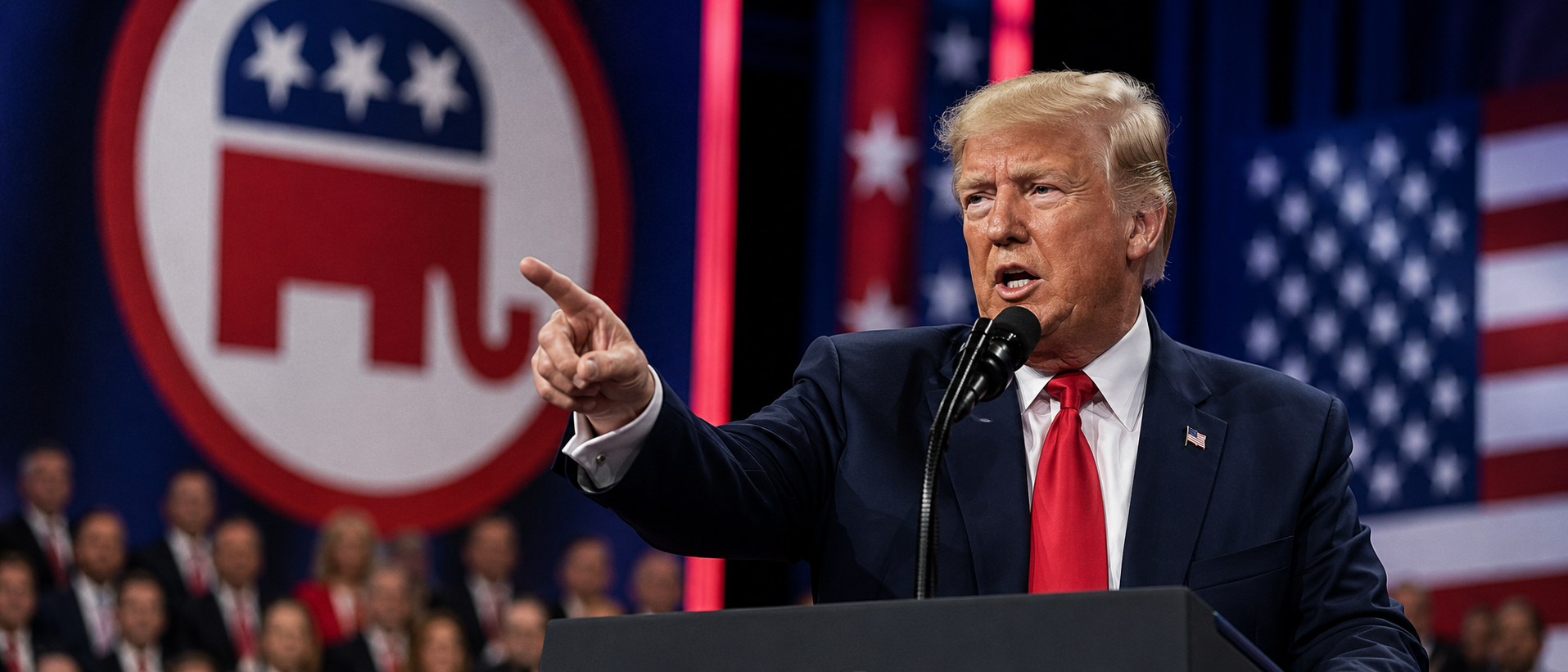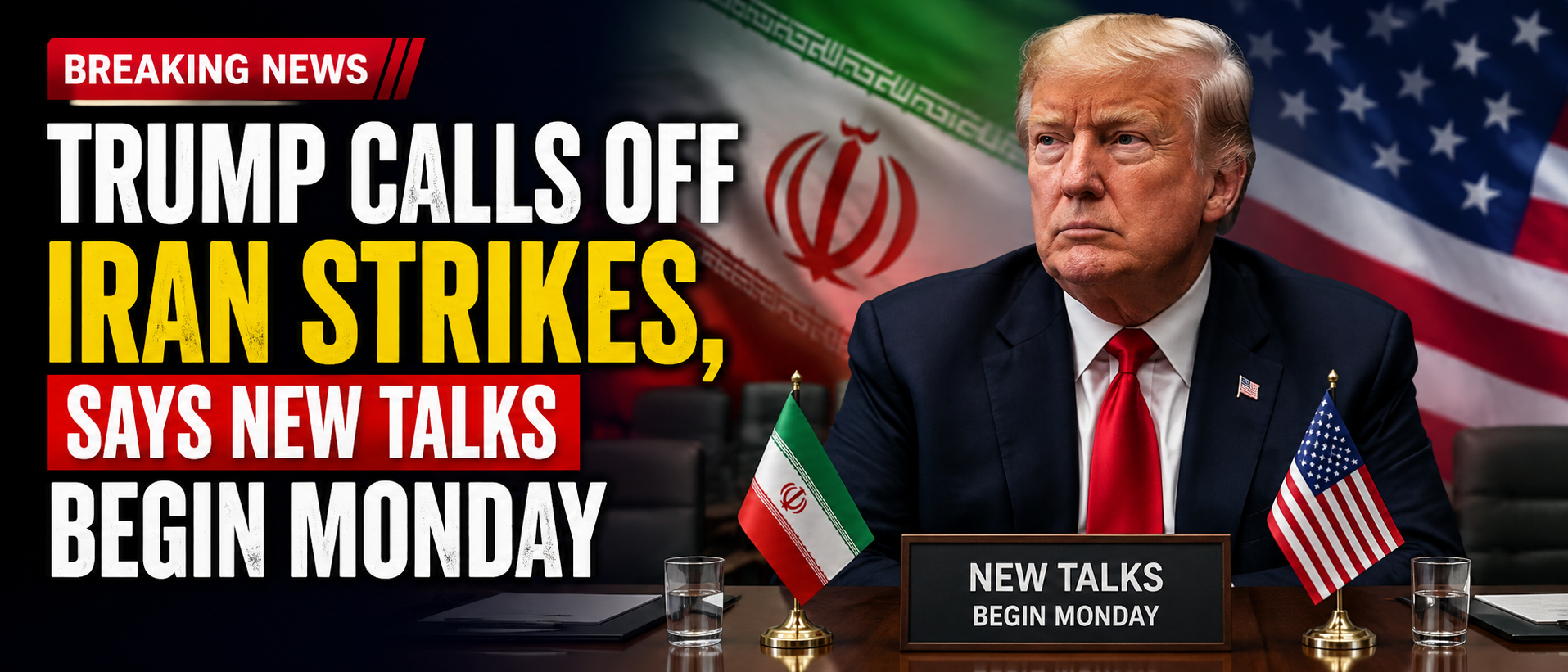
Trump said Saudi Crown Prince Mohammed Bin Salman had been among those who asked him to hold off over the weekend. He framed the cancellation not as a retreat but as a pragmatic pause, noting that the US remained ready to act at any moment but was not looking to pursue conflict for its own sake. He provided no details about where the Monday talks would take place or who would be attending, and he declined to set any deadline for reaching a final agreement with Tehran.
Global oil prices fell in Asian trading on Monday morning following the announcement. Brent crude dropped 4.5 percent to $83.98 a barrel, while US-traded oil fell 4.6 percent to $80.74. Energy markets have been highly sensitive to developments in the conflict since it began on February 28, with the Strait of Hormuz at the centre of that volatility. Roughly 20 percent of the world's crude oil and liquefied natural gas supplies normally pass through the waterway, making any threat to its operation a significant concern for global energy markets.
What Was Planned and Why It Was Called Off
Trump's language about the cancelled strikes was dramatic. He described what had been planned as the biggest attack since World War II and said it would have "derailed" prospects for a negotiated resolution to the months-long war with Iran. He stopped short of confirming whether Iranian energy infrastructure had been among the intended targets, declining to answer that question directly when pressed. International law experts have previously warned that striking civilian energy infrastructure could constitute a war crime, giving the question significant legal weight.
Trump had posted on social media the previous day in notably stark terms, warning that the US was locked and loaded and ready to strike Iran at levels of military power not seen since the Second World War. He added that calling off the attack was in the interest of global stability and the future of Iran itself. Those reading between the lines have noted a familiar pattern in the president's approach to the conflict, with extreme threats typically followed by a pivot toward diplomacy, then a resumption of military exchanges, and then the cycle repeating.
Iran's Response and the Broader Diplomatic Picture
Tehran's reaction to Trump's announcement was sceptical. Iran's semi-official state news agency denied that the country had asked the United States to hold off on strikes, calling Trump's characterisation a new lie. However, Iranian Foreign Minister Abbas Araghchi separately indicated that negotiations with Oman over a deal on the Strait of Hormuz were on track for finalisation, a statement that suggested at least some diplomatic movement was occurring even if Tehran was unwilling to publicly validate Trump's framing of events.
Iran's acting Defence Minister Majid Ibn al-Reza struck a firm tone, saying Tehran treated every threat from its adversaries as real and credible regardless of whether it was part of psychological pressure tactics. He made clear that Iran would neither be caught off guard nor remain passive if attacked. The domestic political backdrop in the United States adds pressure to the situation as well. Polls have consistently shown broad American dissatisfaction with the handling of the war and its economic consequences, with concern cutting across party lines.
Some conservative strategists have expressed alarm about those numbers ahead of November's midterm elections, which could determine whether Trump's party retains its majority in Congress. Whether Monday's talks produce any meaningful progress remains to be seen, given how many similar moments of apparent diplomatic opening have failed to materialise into lasting agreements since the conflict began.