Nations Ramp Up Preparation as Risks Grow
Governments and scientists around the world are taking steps to reduce potential loss of life, displacement, and environmental harm tied to the event. Early warning systems have been reinforced, and pre-emptive medical support is being deployed in vulnerable regions, though the scale of this particular El Niño has raised significant concern, especially for at-risk populations. The WMO said it has launched a major mobilization effort to share forecasts of potential extreme weather tied to El Niño with as many communities as possible. WMO Secretary-General Celeste Saulo warned that the phenomenon has the potential to deliver a massive blow to communities and economies across the globe.
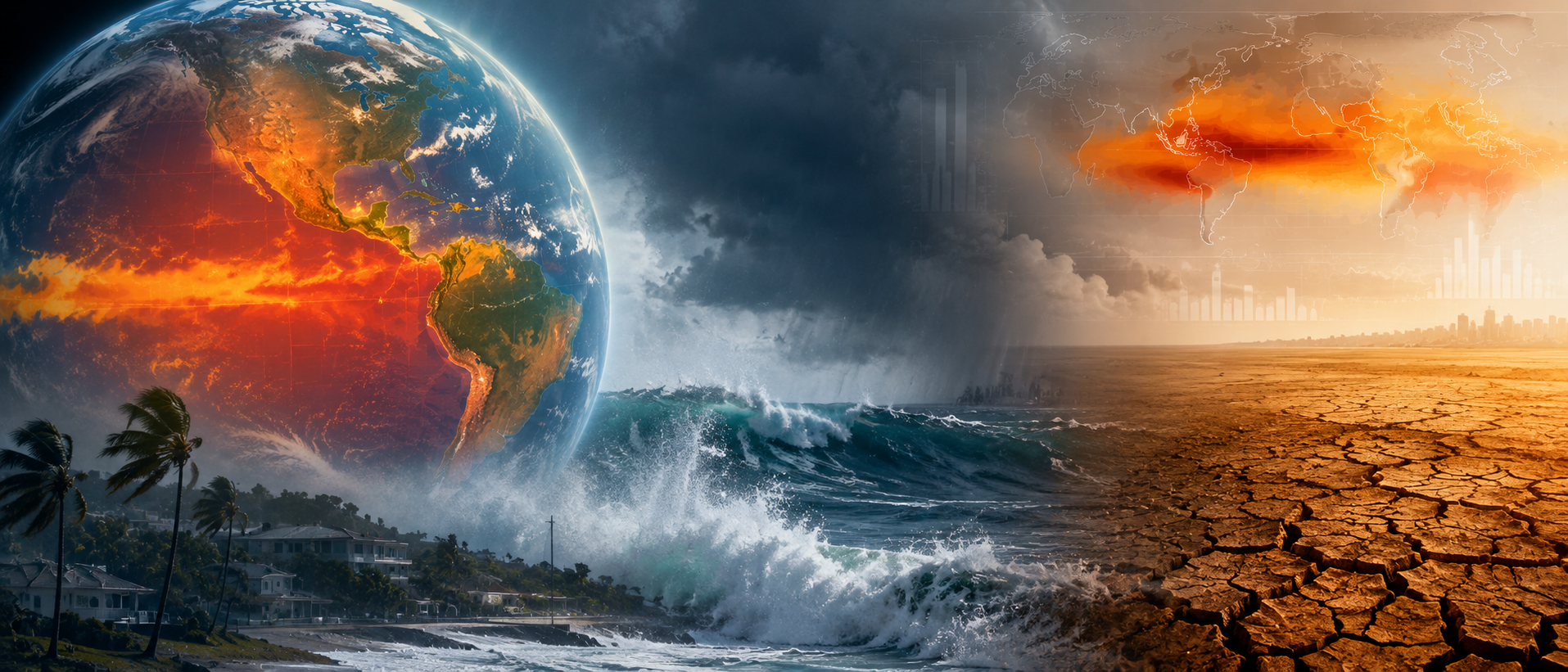
El Niño develops naturally in the Pacific Ocean, tied to shifting wind patterns that allow warm water to spread eastward and release heat into the atmosphere. Sea temperatures across the central and eastern tropical Pacific have climbed sharply in recent months, a clear indicator of the event's growing strength. In the Pacific's key monitoring zone, surface temperatures have recently measured more than 2°C above average, putting this event on track to be classified as very strong. Forecasts suggest monthly sea surface temperatures could approach 4°C above average, which would make this the strongest El Niño recorded since at least 1950, potentially by a wide margin. Beneath the surface, temperatures are even more extreme, exceeding 8°C above average in some areas. Warmer-than-usual sea temperatures are also expected across the Indian Ocean, tropical Atlantic, and parts of the Australian coastline.
Australia, home to rich and sensitive marine ecosystems, is watching these changes closely, having already endured repeated marine heatwaves in recent years linked to climate change. Dr. Alistair Hobday, chief researcher at Australia's national science agency, explained that while El Niño occurs naturally, it tends to intensify the kind of extreme heat that fuels these marine disasters. This year's forecasts suggest the Great Barrier Reef may avoid the worst conditions, giving coral additional time to recover, though Hobday noted that southern Australia is being hit hard. During a previous marine heatwave affecting South Australia and Tasmania, the region experienced starving penguins, mass fish deaths, harmful algae outbreaks, and jellyfish swarms. Australia has since introduced early warning systems for marine crises, allowing time to arrange financial support for fisheries, relocate vulnerable species, and increase coral monitoring efforts. Even so, Hobday admitted this event appears unprecedented and said he remains genuinely concerned.
Drought, Trade Disruption, and Stronger Storms Expected
While global weather impacts are expected to continue into 2027, the WMO anticipates significant rainfall changes over the coming months. Drier-than-normal conditions are forecast across large portions of Southeast Asia, Central America, and northern South America, raising the risk of drought and wildfires. In anticipation of reduced rainfall, vessel traffic through the Panama Canal is being cut by more than 10% starting Thursday.
Roughly 14,000 ships pass through the canal annually, and beyond its role in global trade, the waterway also generates approximately $3 billion each year for Panama's economy.
Indonesia is currently working to contain wildfires that have already burned more than 107,000 hectares of land this dry season, with this year's fire season proving longer than usual, similar to trends seen elsewhere in Southeast Asia. A resident of Central Kalimantan described enduring wildfire conditions for more than a month, saying the smoke has grown thick enough to sting the eyes and carry a strong odor when stepping outside. Authorities have responded by deploying cloud-seeding aircraft to induce rainfall and extinguish the fires, while the government has pledged additional resources and arrested dozens of individuals suspected of using fire to clear land illegally.
Elsewhere, China is bracing for seven typhoons expected to make landfall this year, a trend experts link directly to the effects of a supersized El Niño. In July alone, the country was hit by three typhoons, Bavi, Noul, and Maysak, which together left dozens dead. In August, more than one million people were forced to evacuate as Typhoon Dolphin struck, bringing intense rainfall and powerful winds. Meanwhile, wetter-than-average conditions are expected across parts of eastern Africa, southern Brazil, and the southern United States, increasing flooding risks in those regions.
WMO Secretary-General Celeste Saulo said disruption and devastation from droughts and floods are already being felt, and those impacts are expected to grow as El Niño continues to intensify. These effects are unfolding alongside long-term, human-driven warming, potentially amplifying overall impacts. Some scientists suspect climate change may even be strengthening El Niño events, though this connection remains unconfirmed.
Peru faces particular vulnerability due to its location along the eastern Pacific coastline. The country, along with Ecuador and parts of Brazil, has previously experienced heavy rainfall leading to flash flooding and landslides, particularly in urban areas where drainage systems struggle to keep up. Miguel Aréstegui, climate resilience lead at Practical Action, an organization that helps countries prepare for extreme weather, said concern over the situation is significant but should translate into preparedness rather than panic.
He noted that Practical Action has spent recent years working with partners to improve public access to early warning systems, including data on river levels, flood risks, and weather forecasts. Late last month, the US announced it would deploy the medical vessel USNS Comfort to Peru's coastline to provide additional medical assistance and technical support as El Niño approaches its peak. Aréstegui emphasized that El Niño doesn't strike in isolation, pointing to deeper structural issues, such as housing in high-risk areas, fragile water and sanitation systems, and weak healthcare infrastructure, that worsen its impact and take far longer to fix.