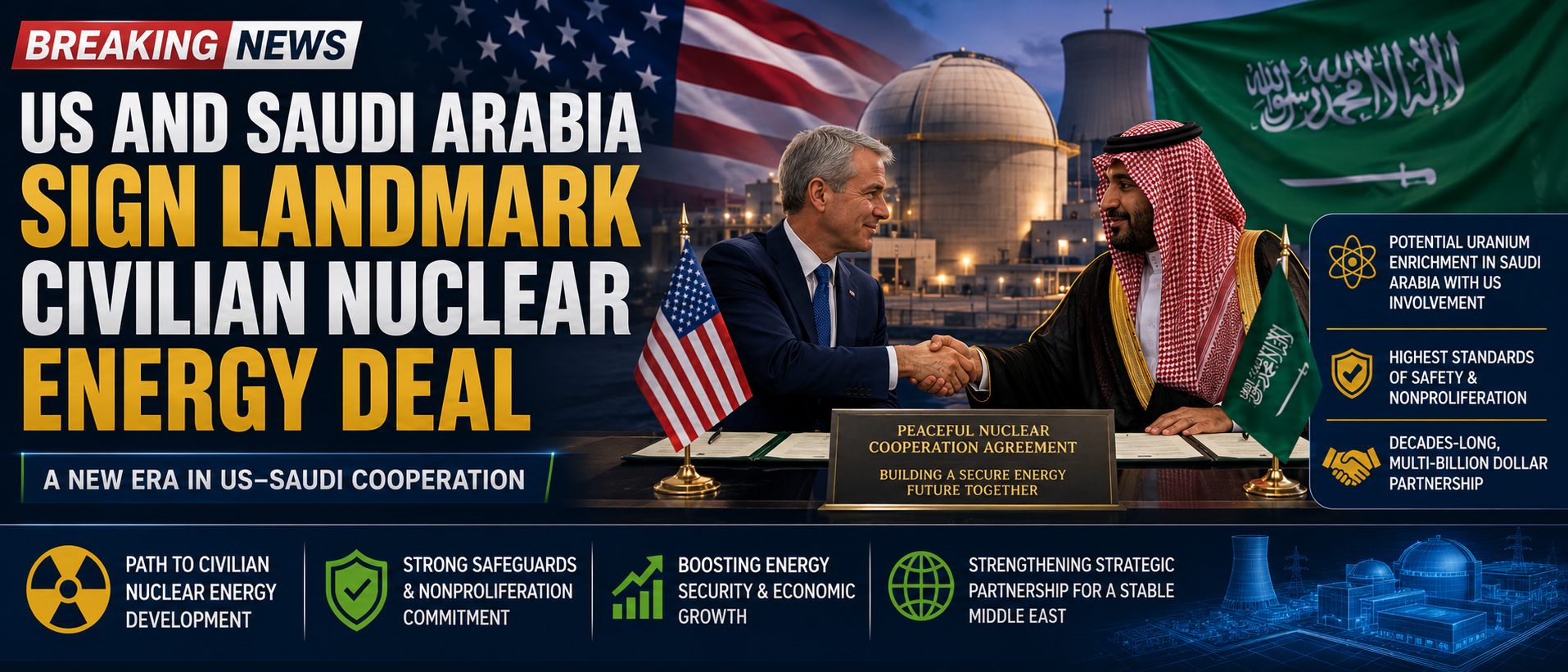
The full text of the agreement has not been made public, but reports suggest it may allow Saudi Arabia to enrich uranium domestically, potentially through a facility built with US involvement. That would represent an unprecedented step in American nuclear diplomacy. The United States has never before helped another country enrich uranium on its own soil, a boundary that exists specifically because domestic enrichment capability significantly increases the risk of a nation eventually developing nuclear weapons.
What the Deal Could Mean and Who Is Concerned
The potential inclusion of an enrichment provision is what distinguishes this agreement from a similar deal the US struck with the United Arab Emirates in 2009, under which the UAE accepted restrictions including a prohibition on producing its own fuel. If Saudi Arabia is granted what the UAE was not, it sets a new precedent with far-reaching implications for nuclear governance in the Middle East and beyond.
Nuclear experts and former officials in Israel, the United States' closest regional ally, have expressed concern that the arrangement could eventually provide Saudi Arabia with the building blocks for a nuclear weapons programme, even if that outcome is years or even decades away. Analysts note that the timeline matters less than the capability being established in the first place. One Middle East security analyst described it as quite shocking if the deal truly allows domestic enrichment, pointing out that self-sufficiency in fuel production makes a country a fundamentally larger proliferation risk.
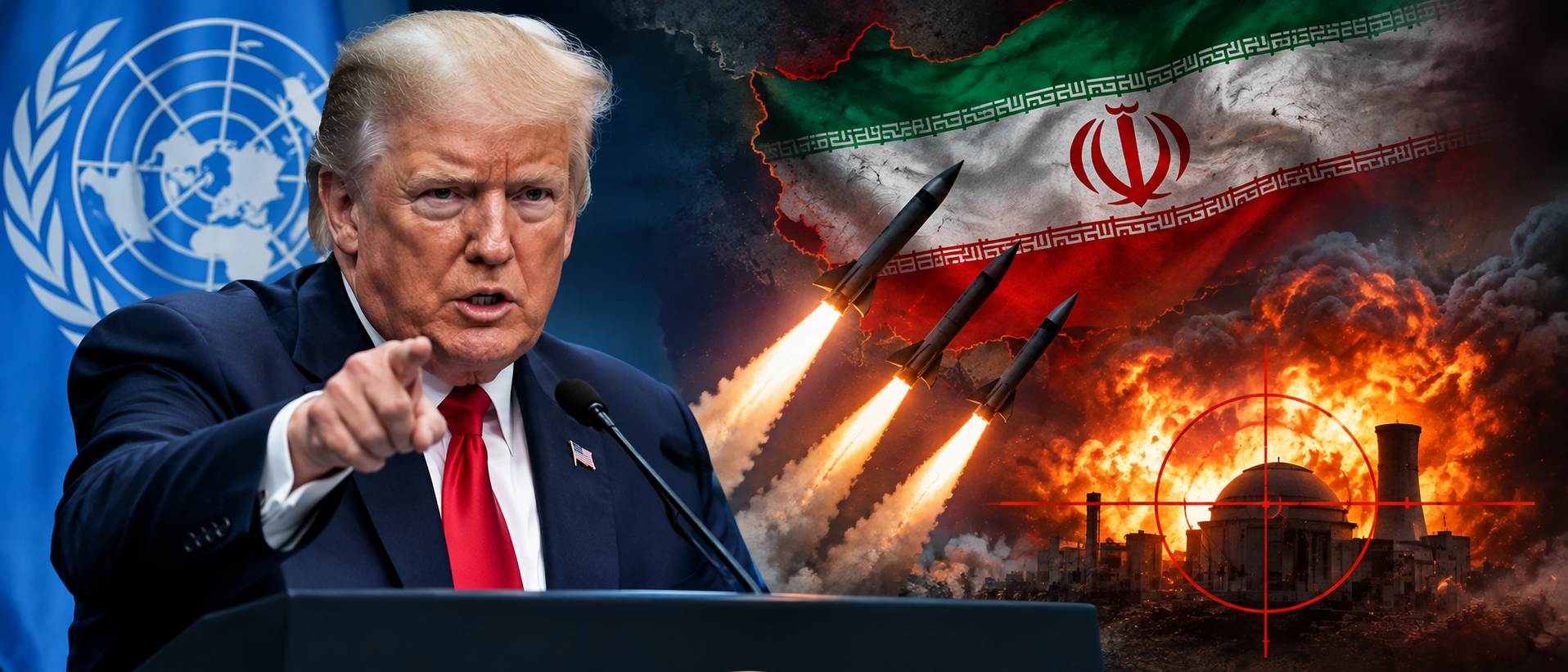
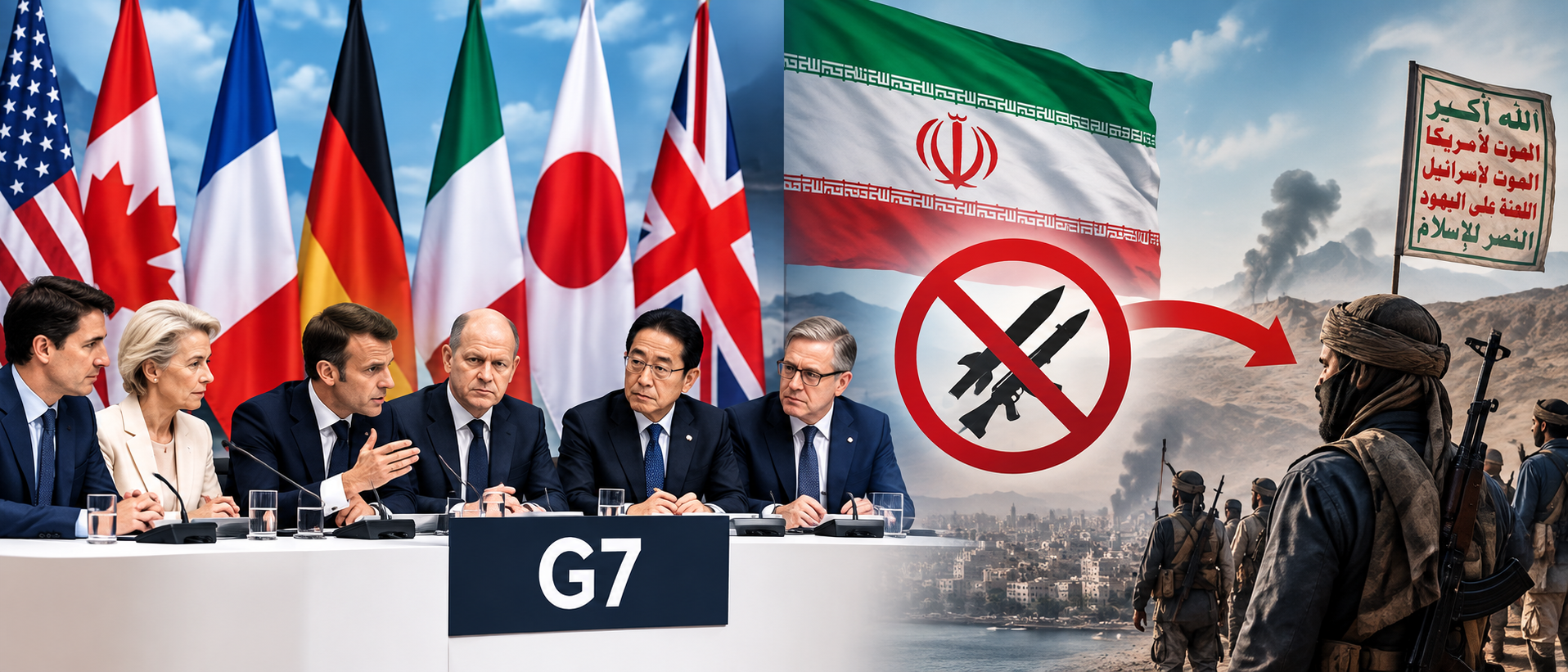
The context surrounding the deal deepens those concerns. The announcement comes as US military operations against Iran continue, with Saudi Arabia hosting several American bases that have been targeted in Iranian retaliatory strikes. Two days before the announcement, Yemen's Houthi movement, widely seen as an Iranian proxy, declared a maritime blockade against Saudi Arabia. Saudi Crown Prince Mohammed bin Salman stated publicly in 2018 that if Iran were ever to develop a nuclear weapon, Saudi Arabia would follow suit as quickly as possible. Against that backdrop, critics argue the timing of this deal sends a complicated message about American nonproliferation commitments.
Domestic Political Reaction and Regional Implications
US Secretary of Energy Chris Wright defended the agreement, arguing it upholds the highest standards of nuclear safety and relies on the best American technology and expertise. Secretary of State Marco Rubio pushed back against proliferation concerns, insisting the United States would not reach any deal that created meaningful weapons risk. However, Rubio faced pointed criticism from Democratic lawmakers who noted he had previously endorsed legislation requiring Congress to approve any nuclear arrangement with Saudi Arabia, a requirement the current process appears to be sidelining.
Democratic Senator Edward Markey issued a sharp rebuke, accusing the administration of allowing a country he described as authoritarian to access nuclear technologies while simultaneously pursuing military action against Iran under the stated pretext of preventing Iranian nuclear ambitions. The agreement is now headed to Congress for review and is expected to face opposition from members of both parties, though the Republican majority in both chambers gives the administration a significant structural advantage in securing its passage.
Saudi Arabia has sought this kind of agreement across multiple presidencies, with previous administrations resisting partly on the grounds that normalisation of relations with Israel was a prerequisite. That condition appears to have been dropped as part of the current deal. The United States is also believed to have been motivated partly by reports that Russia and China were in separate discussions with Saudi Arabia about a similar arrangement, creating pressure to move before a geopolitical competitor could establish deeper influence over the kingdom's nuclear development. The longer-term implications for Middle East power dynamics and the global nonproliferation framework remain significant and unresolved.