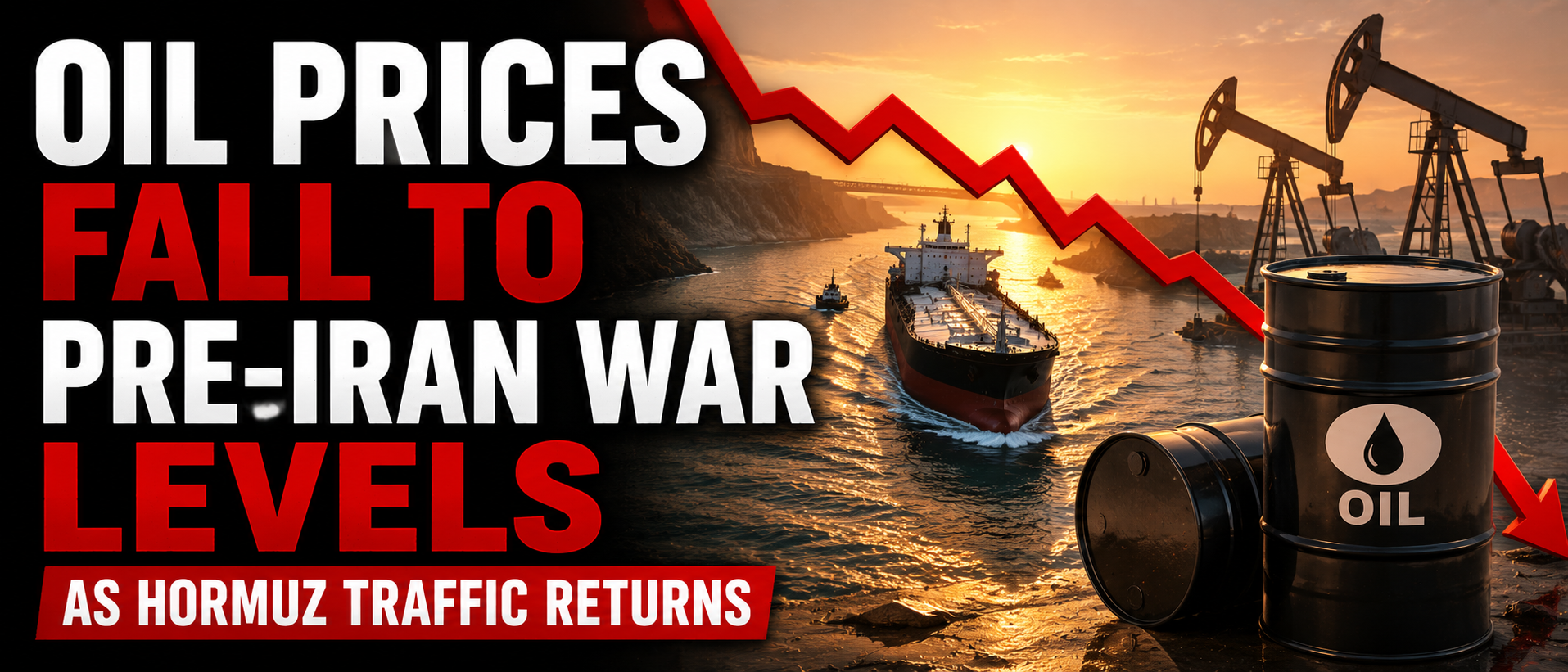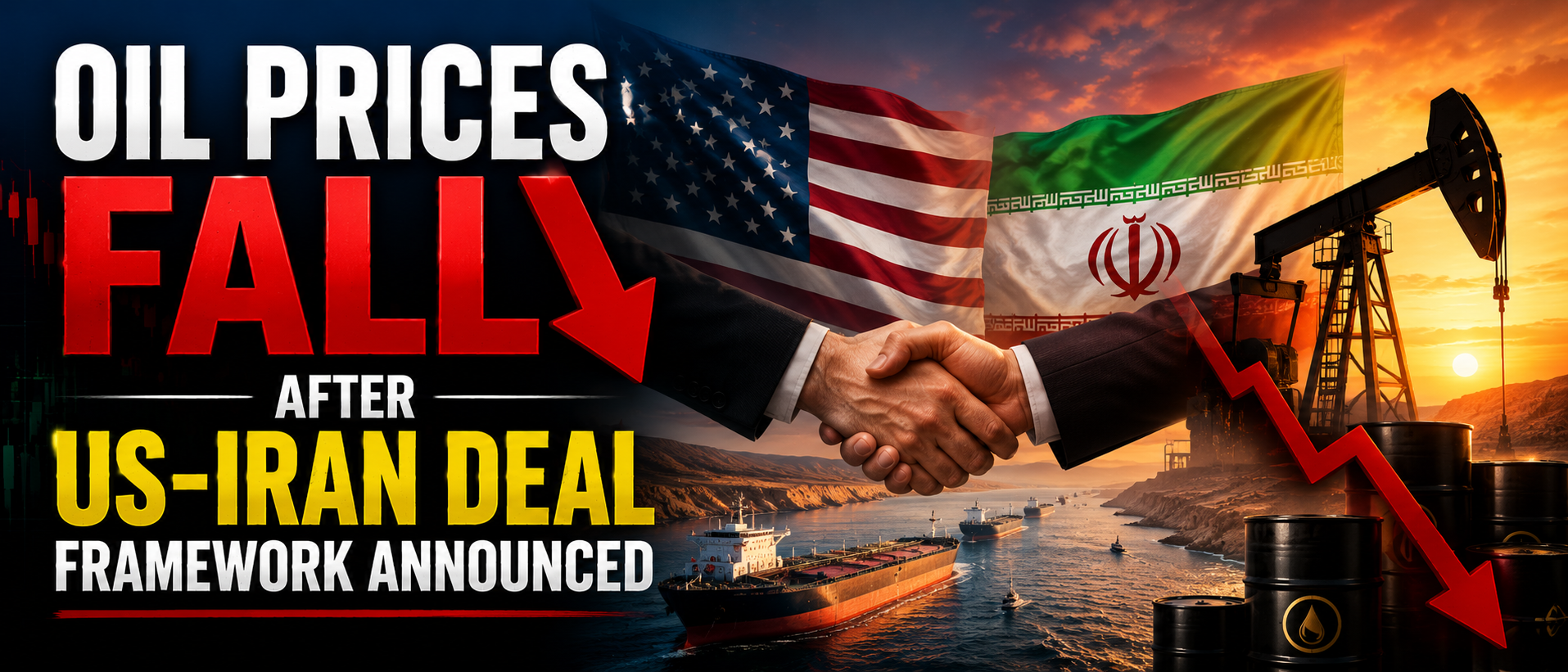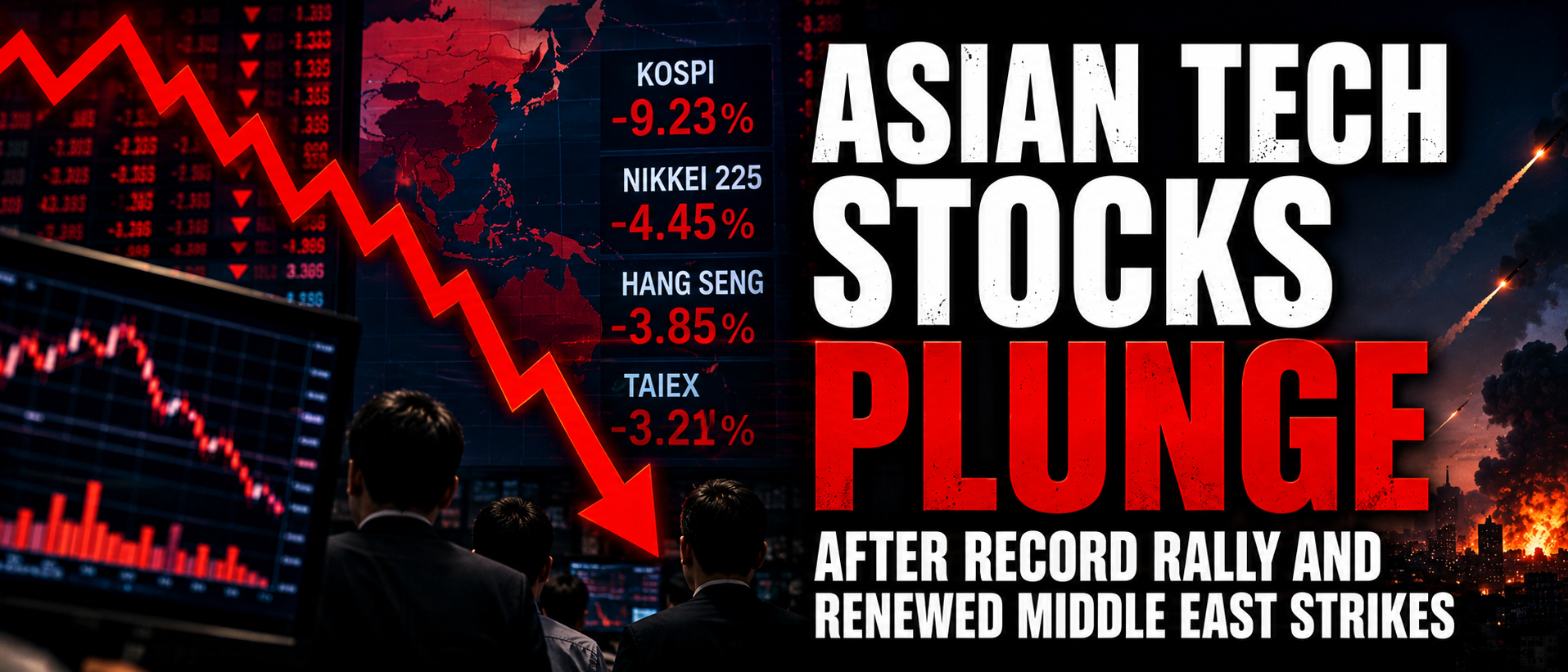
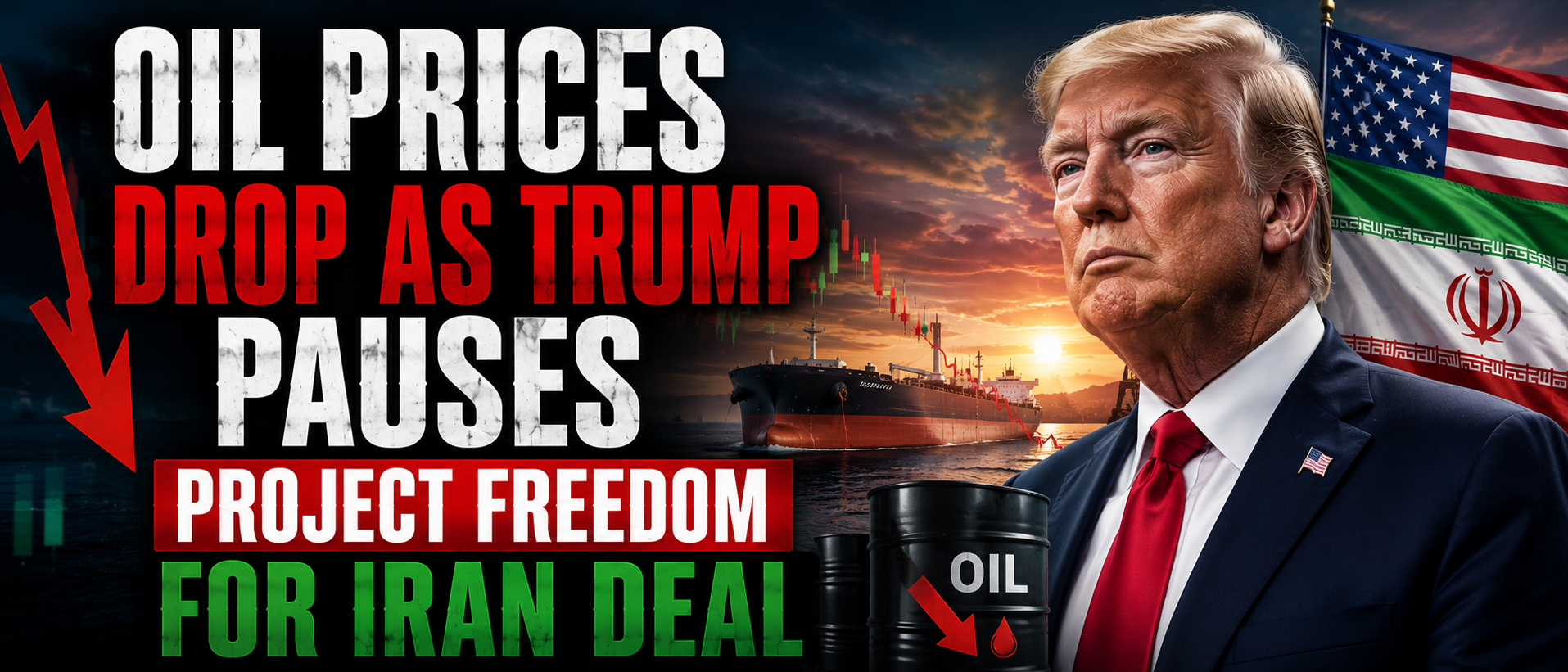
For traders attempting to manage their risk from the uncertainty produced by escalating military actions in the Middle East, this announcement was a source of relief. Prices for Brent Crude oil, which is the international benchmark for oil, fell 1.7% to $108 per barrel, while the price of West Texas Intermediate oil, which is traded on exchanges in the US, dropped 1.6% to $100.60 per barrel.
One Week of Price Volatility
The slight depreciation in oil prices on Wednesday was preceded by four days of significant price fluctuations. At the beginning of the week, oil prices surged by over 6% as the level of military activity in the Middle East rose and fears increased that the Strait of Hormuz was at risk of being closed indefinitely. Since February 28, 2010, when Iranian military forces first indicated that they would target ships entering or passing through the Strait, oil prices throughout the globe have been elevated due to the importance of the Strait as a conduit for the passage of about 20% of all oil and natural gas supplied throughout the entire world.
Any disruption to the operations of the Strait therefore impacts energy prices on a global scale. Prices have been trending higher since the US and Iran reached a conditional ceasefire on April 8 that has been extended since then. On Tuesday, President Trump took to social media and stated that he would be temporarily suspending Project Freedom, pending a determination as to whether or not a final and complete agreement can be reached and signed with Iran. He also mentioned that he had made significant recent progress in discussions with Iranians.
In addition, he confirmed that the US would continue its blockade of all vessels traveling to and from Iranian ports in order to exert continued economic pressure on Iran while diplomatic negotiations continued. Market watchers have interpreted the postponement of Project Freedom as a calculated gesture toward the negotiating process, rather than as a major policy change.
Market analysts have provided a cautious response to the events described above. Charu Chanana, an investment strategist at Saxo, stated that the postponement of Project Freedom demonstrates that the US was prepared to give diplomatic negotiations another opportunity, but indicated that traders should not place too much significance on the developments.
She said the primary question that remains for oil traders on an ongoing basis is whether the postponement of Project Freedom would lead to any meaningful progress toward reopening trade through the Strait of Hormuz, and stated that there was insufficient evidence at this time to conclude that that is likely to occur in the near future. The mood in energy markets is more reflective of "cautious optimism," rather than confidence, as prices continue to ease, but remain well above pre-conflict levels.
Secretary of State Marco Rubio told reporters that the first phase of the US and Israeli military campaign against Iran has ended and that all of the US objectives in the campaign have been achieved. Rubio stated that "peace is the preferred route moving forward," and that President Trump's highest priority is to obtain a deal to resolve Iranian issues. Iran provided no immediate comment on Rubio's comments; however, its parliamentary speaker, Mohammad Ghalibaf, expressed that while the present state of affairs in Iran is unacceptable to the US, Iran is just getting started.
The distinct difference in the public statements from both sides underscores the continued fragility of this diplomatic moment. There have already been reports from the US that they are attacking Iranian fast boats in the Strait of Hormuz, as well as the UAE alleging that an Iranian attack on one of its oil ports has occurred; an allegation which has been denied by Iran.
The key question for both energy markets, and for regional stability, at this point will be whether Project Freedom ultimately results in a long-lasting agreement or simply continues the postponement of impending confrontation.