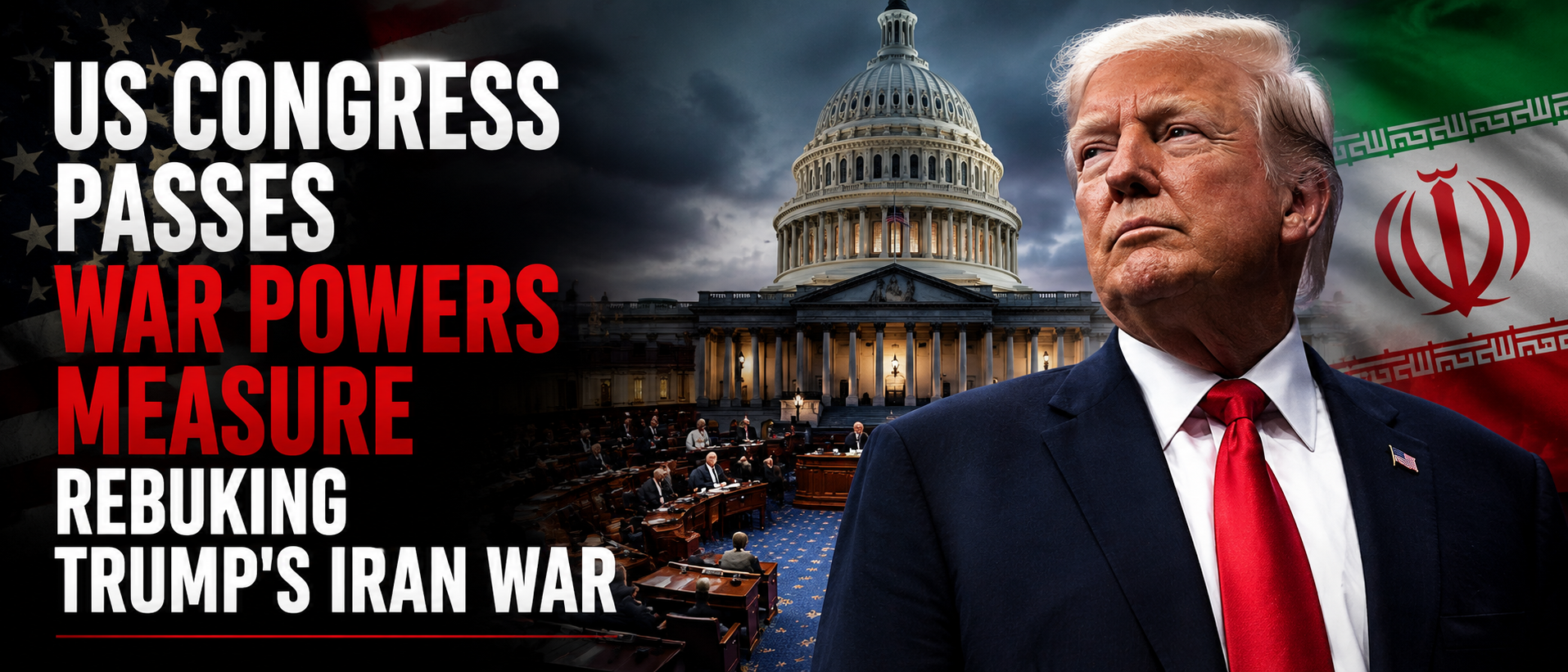
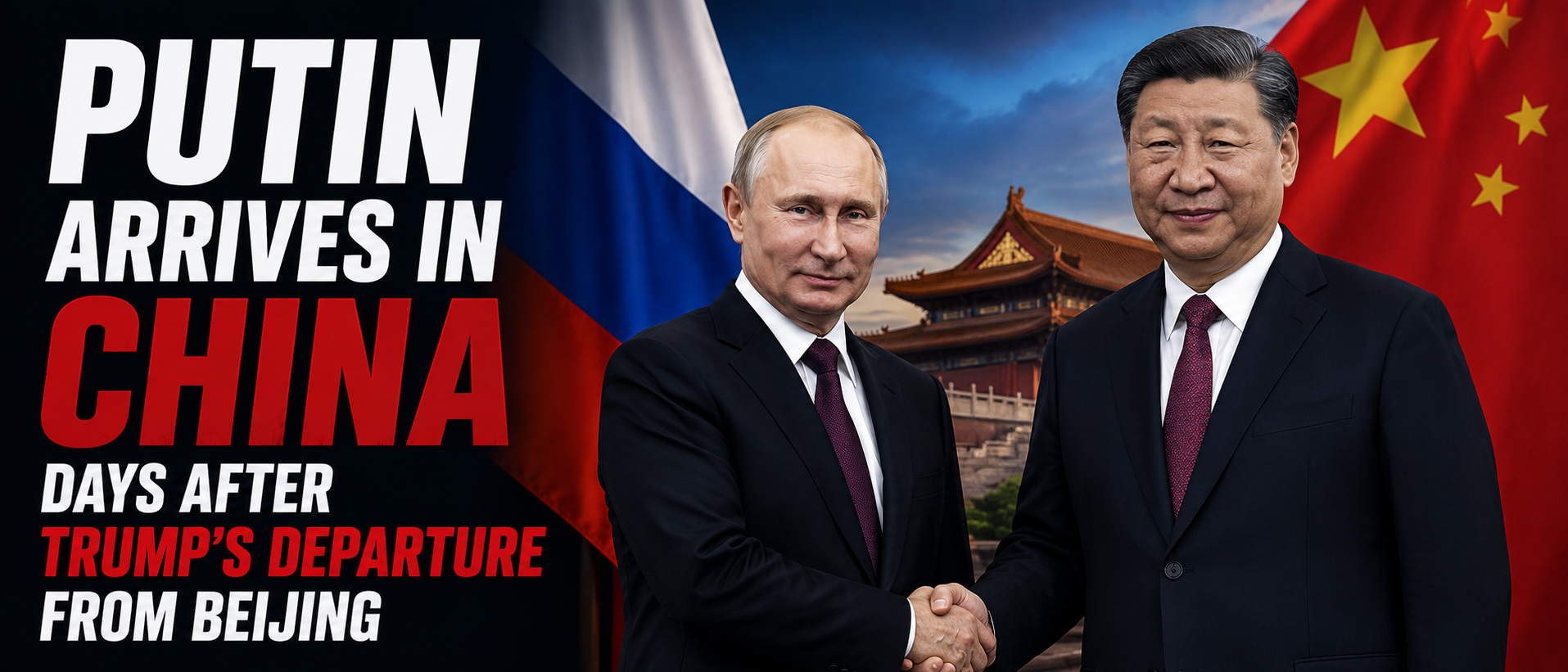
The near-consecutive visits of two of the world's most powerful leaders, both embroiled in major international conflicts, have drawn wide attention and put Beijing in the center of global diplomatic activity.
The Relationship is Unusually Described
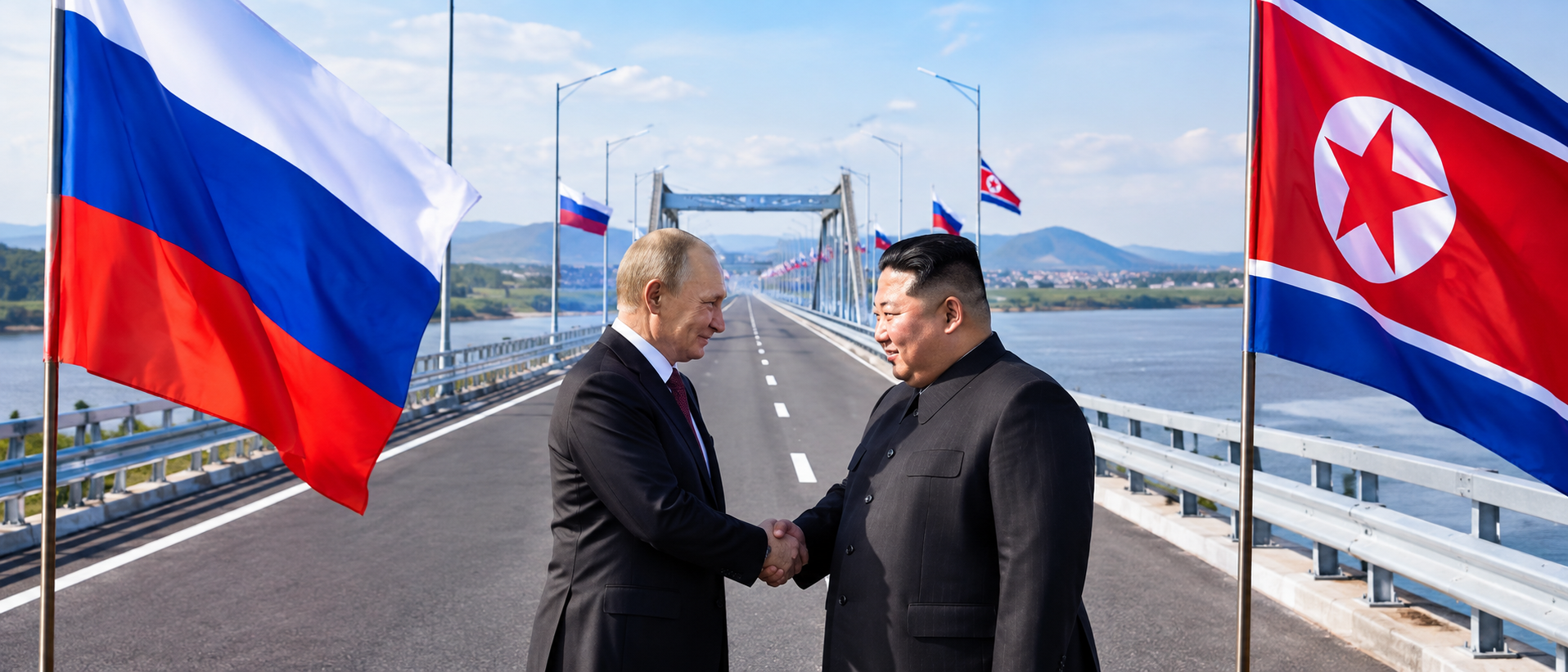
The visit is Putin's 25th to China in more than two decades as Russia's president, during which the two countries have strengthened cooperation on trade, security, and diplomacy. The relationship has been mostly fueled by a mutual aversion to American global hegemony and a seeming personal affinity between the two leaders, who typically refer to each other as dear or old friends and have met on more than 40 occasions.
Ahead of his visit, Putin said that Russia and China have reached a truly unprecedented level in their relations and that the two sides support each other on issues concerning the core interests of both countries, such as the protection of sovereignty and national unity. Chinese state media have taken a similar tone, running articles praising the two nations' unshakeable bonds during what they called a turbulent international situation.
China to be a Diplomatic Hub
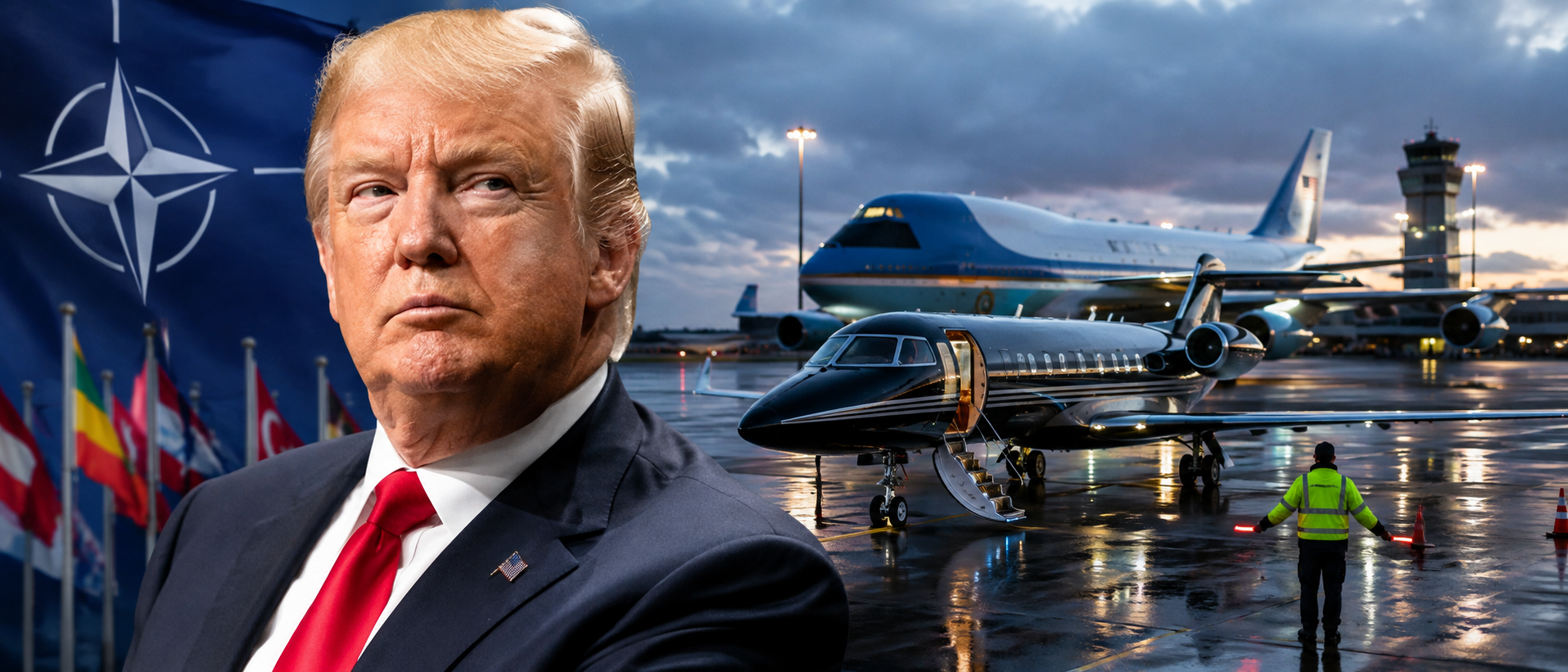
The timing of the two visits has not escaped notice. State-run Chinese media portrayed the sequence of Trump's visit followed by Putin's arrival as evidence that China is rapidly becoming the center of world diplomacy. The opportunity for Beijing to welcome within a week two world leaders engaged in what appear to be intractable conflicts of their own is a major opportunity to project the image of China as a responsible and indispensable alternative power on the world stage.
Against the broader backdrop of the United States' conflict with Iran in particular, the Chinese government has attempted to project an image of a stable and measured global actor in contrast to what it describes as American unilateralism.
Ukraine, energy, and the power of the Siberia 2 pipeline
The visit is significant for Putin considering the pressures his country is facing. And it's now more than four years into Russia's military campaign in Ukraine, with recent battlefield losses adding urgency to the diplomatic relationship with Beijing. Chinese purchases of Russian oil and the export of dual-use goods have been key to keeping Russia's war machine running, and the bilateral relationship is becoming increasingly asymmetric in China's favor given Chinese economic and technological advantages.
China's biggest supplier of crude oil is Russia, and Chinese buyers are already taking Russian supplies at a discount after Western sanctions were imposed. Among the key topics to be discussed during the visit is the Power of Siberia 2 natural gas pipeline, a long-discussed project that moved a step closer to reality during Putin's previous visit to China in September 2024.
Iran Casts a Shadow Over Talks
The U.S. conflict with Iran is likely to be a hot topic of discussion between Xi and Putin, particularly since Trump had sought to find common ground with China on some aspects of the conflict during his own visit to Beijing. A statement from the White House after the Trump-Xi summit said the two leaders had agreed on the principle that Iran should not have nuclear weapons and the Strait of Hormuz should be reopened to international shipping.
Tehran has had close partners in China and Russia for years, and they have played a major role in shielding Iran from the full impact of American sanctions. China remains the largest importer of U.S. sanctions on Iranian crude oil, and Russia is said to have supplied Iran with intel during the current conflict. There have also been allegations China was preparing to ship weapons to Iran, which Beijing has denied.
Could China and Russia be peacemakers?
An intriguing question surrounding Putin's visit is whether Beijing and Moscow are interested in taking an active role in efforts to end the conflict in Iran. Tehran has said it would be open to the idea of China and Russia acting as security guarantors in any future peace agreement. Both countries could earn goodwill with the United States by playing a constructive role in ending the conflict, but any such involvement would have to be handled with extreme care given the existing partnerships, strategic interests, and broader ambitions each country has in the world.
Whether Xi and Putin choose to engage meaningfully with the peace process or watch from the sidelines will be one of the more consequential decisions to come out of this week's summit in Beijing.