Negotiations Collapse, Both Sides Blame Each Other
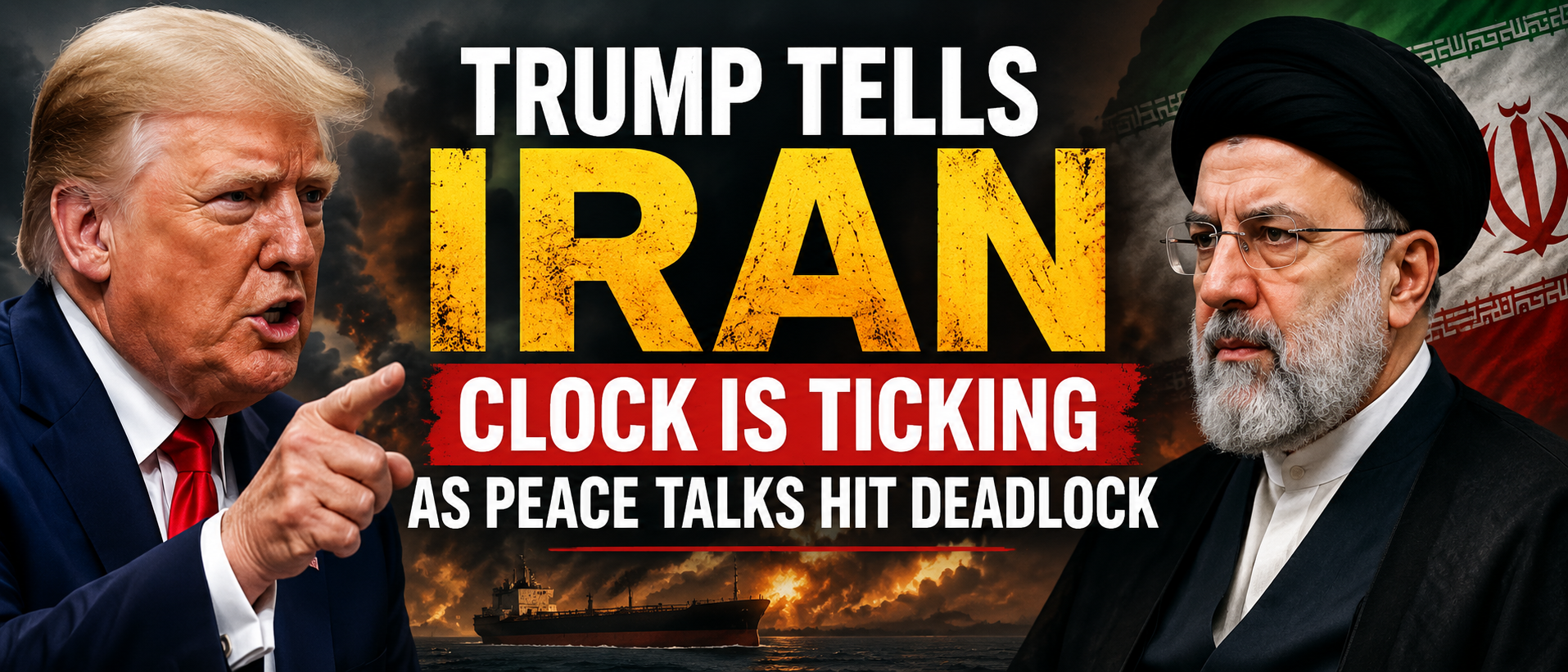
Depending on which side is telling the story, the state of the talks looks markedly different. Iranian media said the United States had not made any substantive offers in return for Tehran's latest proposals, with the semi-official Mehr news agency warning that a continued lack of compromise from Washington risked taking the talks to a complete deadlock.
Iranian foreign ministry spokesman Esmail Baghaei strongly defended his country's position, describing Tehran's proposals as responsible and generous. These competing narratives highlight the vast gulf that still separates the two sides on the fundamental issues that underpin the conflict.
The Demands of Tehran
Iran's proposals, reported by the semi-official Tasnim news agency, cover a wide range of issues central to any potential resolution. Tehran is calling for an end to all hostilities on all active fronts, including an end to the current Israeli military operations against Iran-backed Hezbollah forces in Lebanon. Iran also demands that the US lift its naval blockade of Iranian ports, give firm guarantees against any future military strikes on Iranian soil, pay compensation for damage already inflicted by the war, and formally acknowledge Iranian sovereignty over the Strait of Hormuz. All told, the demands represent a long list of preconditions that Washington has shown little appetite to accept in full.
Washington Strikes Back With Its Own Conditions
The United States has responded with its own list of demands, Iran's semi-official Fars news agency said. One of the American preconditions is that Iran should cut its active nuclear sites to a single operational site and transfer its current supply of highly enriched uranium to the United States. The nuclear issue has been a point of contention in the talks.
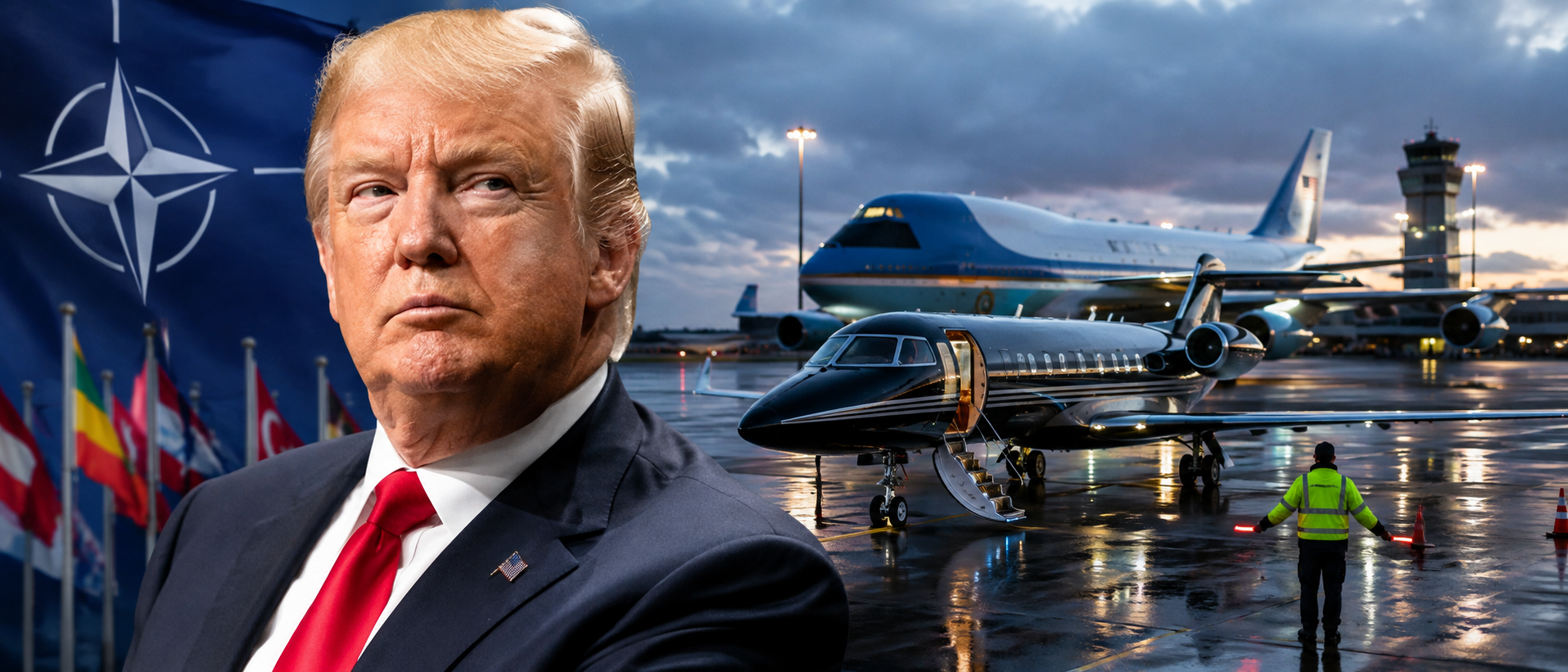
Trump floated the possibility on Friday that he might be prepared to settle for Iran suspending its nuclear program for twenty years, rather than demand its full and permanent dismantlement, a potentially significant development. Some observers interpreted the apparent softening of that position as a major shift, but it remains unclear whether it will be enough to allow resumption of substantive dialogue.
A Delicate Ceasefire Under Strain
The military situation on which the negotiations depend is still very precarious. A ceasefire has been in place since early April to set conditions for diplomatic progress. United States and Israeli forces began large-scale airstrikes against Iran on February 28. The truce has largely held, but there have been sporadic exchanges of fire. Earlier in the week, Trump's warning that the ceasefire was on massive life support and his rejection of Tehran's demands as totally unacceptable painted a picture of a fragile arrangement that could break down at any moment if the two sides fail to find common ground in the coming days.
Closure of Hormuz Strait Shocks World Energy Markets
One of the most far-reaching consequences of the conflict has been Iran's effective closure of the Strait of Hormuz, the narrow but strategically critical waterway through which some 20 percent of the world's oil and liquefied natural gas passes. Iran has justified the closure as a direct response to the military campaign waged against it by the United States and Israel. The impact on global energy markets has been severe, with oil prices rising sharply in the months since the blockade went into effect. At the same time, the US has kept its own naval blockade of Iranian ports in an effort to apply economic pressure on Tehran and force it into a settlement on American terms.
Pakistan offers to mediate.
Direct engagement between Washington and Tehran is hampered by mutual suspicion and conflicting demands, but Pakistan has acted as an intermediary, seeking to facilitate communication between the two sides and bridge the gap between their respective positions. But these efforts have not bridged the underlying differences over nuclear activity, sovereignty, compensation, and the scope of any ceasefire arrangement. Trump's public warnings are getting sharper, and Iran is showing no sign of backing down. The window for a negotiated solution seems to be closing fast, and there's huge pressure on all sides to find a solution before things get worse.