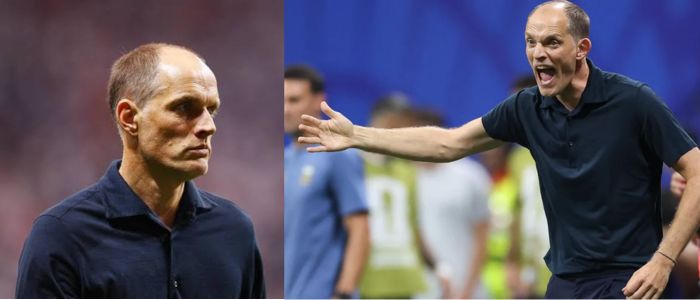
After taking the lead, Tuchel did not look for a second goal. Instead, he made three defensive substitutions. Ezri Konsa replaced Anthony Gordon in the 72nd minute, switching to a back five, before Dan Burn and Nico O'Reilly were introduced to reinforce the defensive setup 10 minutes later. Forwards Marcus Rashford and Ivan Toney were not brought on until deep into stoppage time, long after the damage had been done. Argentina, freed from the kind of pressure that had caused other opponents problems throughout the tournament, found Messi in space on the right wing and let him do what he does.
What Former England Figures Said About the Tactics
The reaction from those who have played for and followed England closely was swift and largely damning. Wayne Rooney described England as having crumbled, placing the blame squarely at the feet of the manager and his decisions. He said the approach against a team of Argentina's quality was too passive and that there was no way England would get away with sitting back against the world champions. Alan Shearer acknowledged that the same defensive mindset had worked against Norway and Mexico earlier in the tournament, but pointed out that neither of those teams possessed the quality on the ball to punish England the way Argentina could, and did.
Chris Sutton described the situation as a coaching catastrophe, arguing that it was unrealistic to expect England to successfully defend a narrow lead for 30 minutes against a squad of Argentina's calibre, particularly with Messi available and increasingly dangerous as the match wore on. He questioned what it means for Tuchel's future with the team, pointing to the significance of the moment and the failure to respond to it with ambition. Former goalkeeper Joe Hart made a sharp observation about how different Argentina looked from England's previous opponents once they went behind, noting that there was no sign of panic from the South Americans, only belief and composure as they built momentum and eventually overwhelmed England.
Micah Richards, who was sympathetic toward Tuchel's overall management, said that once England scored they should have gone after the second goal rather than dropping deep. By giving Argentina time and space, England allowed them to find their rhythm, and once that happened it was very difficult to stop. Former goalkeeper Paul Robinson added that trying to defend a 1-0 lead against this Argentina team was simply the wrong choice, even if Tuchel had made many correct decisions across the tournament.
Tuchel's Response and What Comes Next
The England manager was pressed in his post-match press conference about whether he regretted his decisions. He defended his approach, stating that losing will always attract criticism and insisting that in the moment he had no regrets. He pointed to the character his team had shown across the whole tournament, noting that England had played in the heat, at altitude, with 10 men, and against very strong opposition at every stage. He described it as one of their better performances of the tournament given the circumstances and said the team gave everything they had.
England captain Harry Kane's words may have summed it up more honestly. He acknowledged that going 1-0 up and immediately trying to hold on was not the right approach at this level, and described the feeling as gutted given everything the squad had invested across the entire tournament. The result ended England's dream of a first World Cup final appearance in 60 years. Whether Tuchel's future with the team is now in any doubt will be one of the defining discussions in English football over the coming weeks, though the semi-final appearance itself represents an improvement on the quarter-final exit four years ago under his predecessor. The debate about what might have been had England gone forward when they had the chance is likely to run for considerably longer than that.