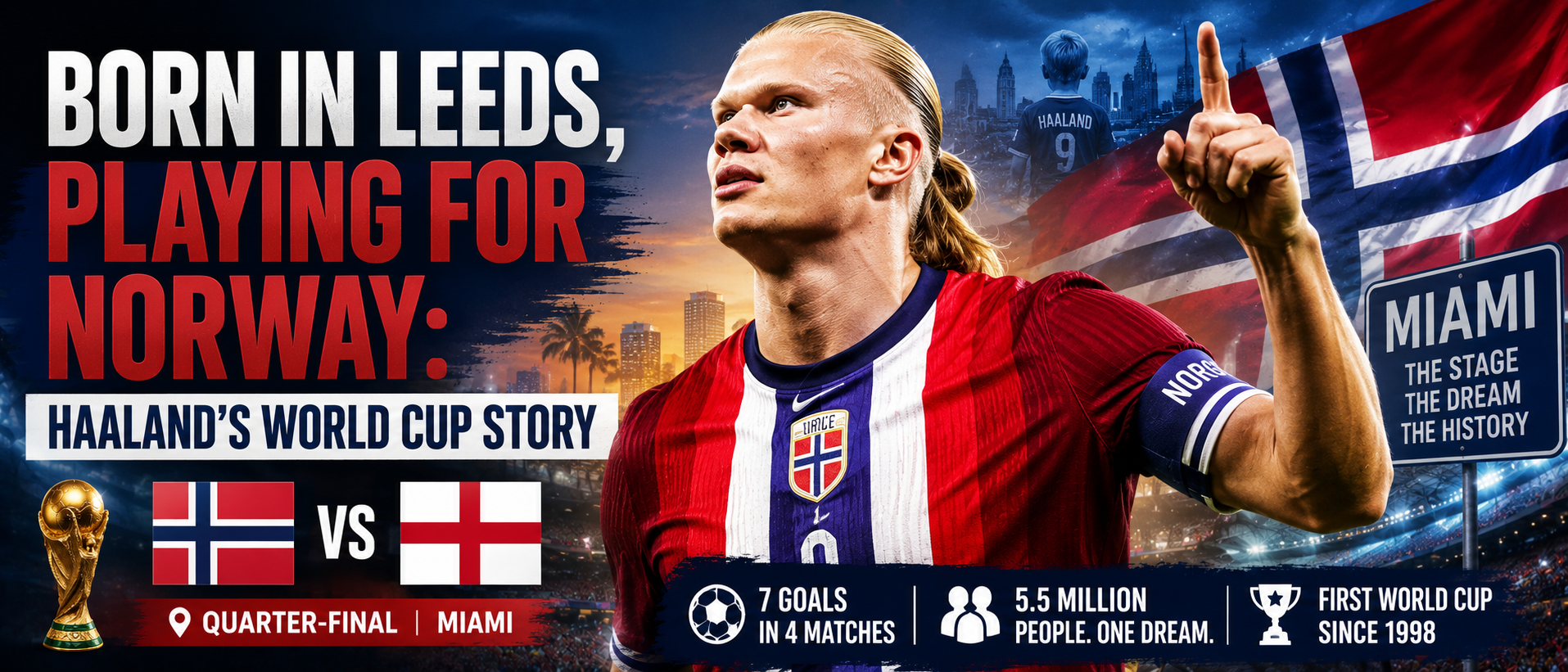
He came into the world in Leeds in 2000, while his father Alf-Inge was still based there having just left Leeds United for Manchester City. Three years later, after his father's career was ended by injury, the family relocated to Bryne in Norway, and that is where Haaland grew up. When England manager Gareth Southgate was asked in 2020 about the possibility of Haaland playing for the Three Lions, he dismissed it with little hesitation, noting that players of his calibre tend to be very clear about where their loyalties lie. Haaland has never given England a second thought. Norway is home, and representing it at a World Cup has been a mission he has carried for years.
The Making of a Global Superstar From a Nation of 5.5 Million
Haaland's talent was identified early at Byrne before he moved to Molde in 2017, where Ole Gunnar Solskjaer helped shape him into the attacking force he would become. A spell at Red Bull Salzburg raised his profile further, before a move to Borussia Dortmund truly announced him on the world stage. It was there that he also formed a close friendship with England's Jude Bellingham, two players who will now be on opposing sides when their nations meet. The transfer to Manchester City in 2022 felt almost predestined, given his father's history at the club and his own affection for English football. Since then, he has won everything available at club level. The World Cup with Norway is the one frontier that has remained.
Despite his global profile, those who know him describe a player deeply rooted in where he came from. He regularly returns to his small hometown in Norway's Rogaland region, owns properties across the country, and has spoken openly about his ambition to run a farm there after retirement. He leads his teammates in the Viking Row celebration after victories, sports his full name Braut Haaland on his national shirt, the combination of his mother's maiden name and his father's surname being a Norwegian tradition, and remains fully available to the Norwegian media whenever he represents his country. For a nation of just over 5.5 million people, having produced one of the best footballers on the planet is described by those inside the country as immense and almost surreal.
His celebrity status has grown to match his ability. He runs a YouTube channel with more than 2.4 million subscribers, and a vlog filmed during an impromptu shopping trip in Dallas to buy cowboy hats and boots, hours after scoring a late winner against Ivory Coast in the last 32, attracted more than five million views in four days. He is also set to voice a Viking character named Haaland in an animated film called ViQueens. Norwegian journalists describe him as something of an atypical Scandinavian hero, confident, self-assured, and willing to back himself in a culture that traditionally values humility. That edge is part of what makes him compelling, even if it occasionally draws scrutiny at home.
Norway Are More Than Just Haaland
It would be easy to reduce Norway's campaign to one player, but that would be unfair to the squad Haaland is part of. Captain Martin Odegaard, fresh from winning the Premier League with Arsenal, has contributed three assists and provided real quality in midfield. Alexander Sorloth, Jorgen Strand Larsen, and Oscar Bobb are all established players at the top level of the game, while Patrick Berg, Sander Berge, and Antonio Nusa have emerged as unexpected protagonists during the tournament. Norwegian football journalists have drawn comparisons with Belgium's golden generation of a few years ago, a relatively small nation producing a cluster of elite players at the same time.
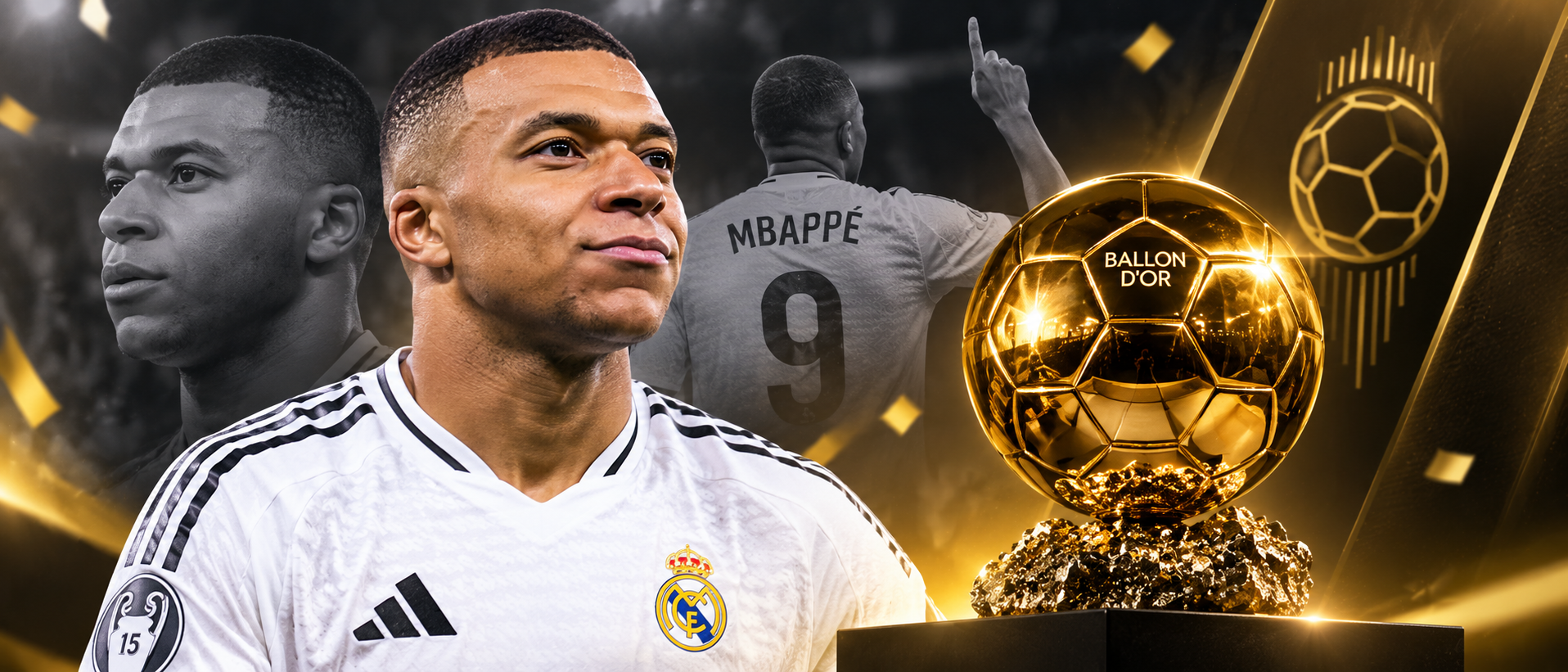
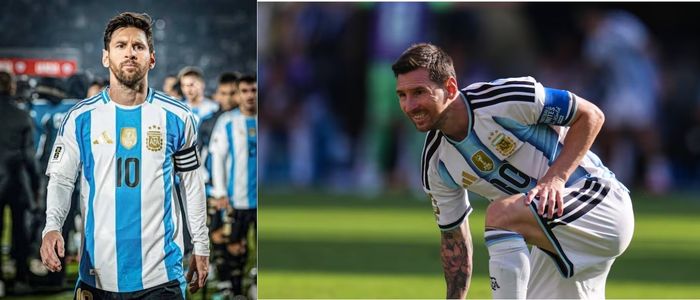
But nobody in this Norway team transcends the sport the way Haaland does. His name sits in the Golden Boot conversation alongside Lionel Messi and Kylian Mbappe on eight goals each, and Harry Kane on six, with Haaland occupying second place on seven. The weight of that comparison would have been unthinkable in Norway not so long ago. His father Alf-Inge appeared at the 1994 World Cup. Erling is now attempting to go far further than that generation ever managed. Saturday's quarter-final against England in Miami represents the biggest night in Norwegian football in nearly three decades, and the country where he was born is the one he has to beat to keep the dream alive.