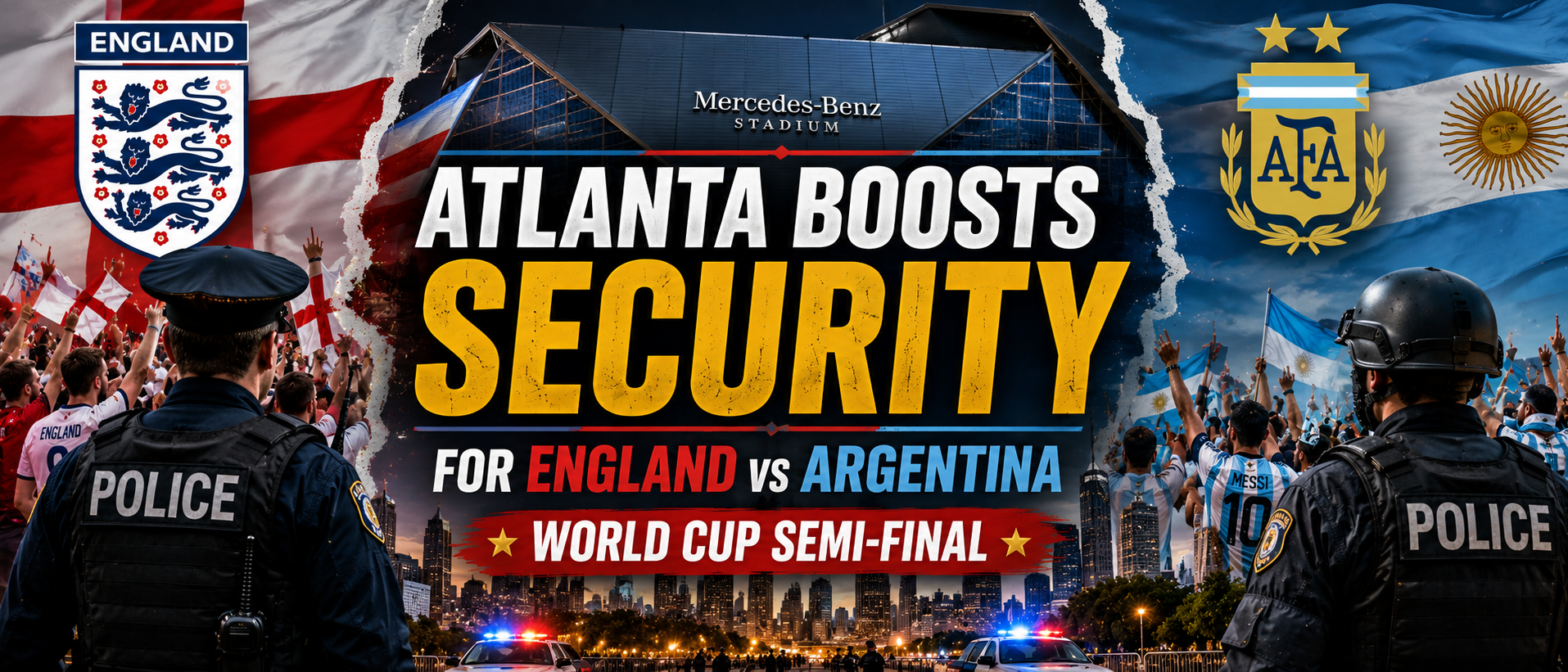
The Atlanta Police Department issued a formal statement outlining what they are doing. Additional personnel and resources have already been deployed and will be strategically assigned to event venues, entertainment districts and other high-traffic areas across the city. The department said the steps were proactive steps to protect the public, deter criminal activity and ensure everyone attending or visiting during the match can enjoy the occasion safely. The statement was firm, but reassuring, saying the increased presence was a precaution, not in response to any specific threat.
Political Tensions and Recent Incidents
The atmosphere surrounding the match has been complicated by events during Argentina's 3-2 victory over Egypt in the last 16, when players were filmed taking part in a chant referencing the Falkland Islands alongside references to Diego Maradona and Lionel Messi. The footage was widely shared and drew attention in Britain, adding a layer of sensitivity to an already charged fixture. Maradona's legacy looms large over this rivalry in particular. His famous Hand of God goal helped Argentina eliminate England in the 1986 World Cup quarter-finals, a moment etched permanently into the sporting consciousness of both nations.
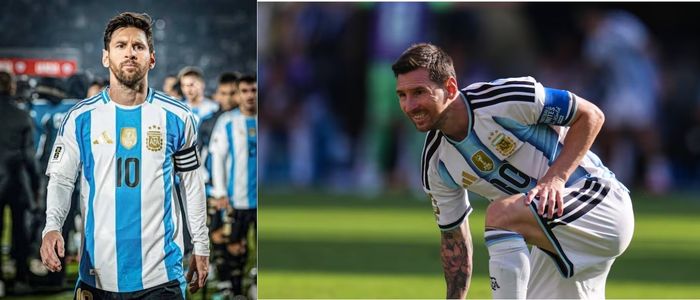
Now captain Messi is preparing to face England for the first time in his career, adding another layer of significance to the occasion. Messi has spoken openly in the past about the emotional weight the England fixture carries for Argentine football, and his presence at what may be one of the final chapters of his international career makes the match feel even more significant.
In response to the tensions, a federation representing Argentine veterans of the 1982 conflict issued a public statement calling on fans to keep politics and football separate. The group urged supporters to channel their passion into the match rather than into political sentiment, describing diplomacy and international forums as the appropriate setting for sovereignty arguments. They acknowledged the deep feelings surrounding the national cause but made clear their view that a football match was not the place to pursue them. Their statement was measured and dignified, a reminder that those who experienced the conflict firsthand often have a more nuanced relationship with it than the culture that surrounds it might suggest.
Fan Behaviour and the Broader Picture
England goalkeeper Jordan Pickford addressed the atmosphere building around the game by keeping his comments grounded, describing it simply as a game of football and suggesting the action on the pitch would do the talking. It was the kind of calm, measured response that has characterised England's overall approach to a tournament that has repeatedly threatened to become overwhelming.
The behaviour of England fans in the United States has been praised by authorities throughout the tournament, though the picture back home has been less straightforward. Over 500 domestic football-related incidents were recorded across the weekend around England's 2-1 extra-time victory over Norway in the quarter-final, resulting in more than 100 arrests. Police praised those who had travelled to support the team abroad while urging fans at home to follow the same example. With the stakes as high as they will get on Wednesday, the hope on both sides is that what takes place on the pitch in Atlanta is the story that defines the day.