What's in the Reported Deal
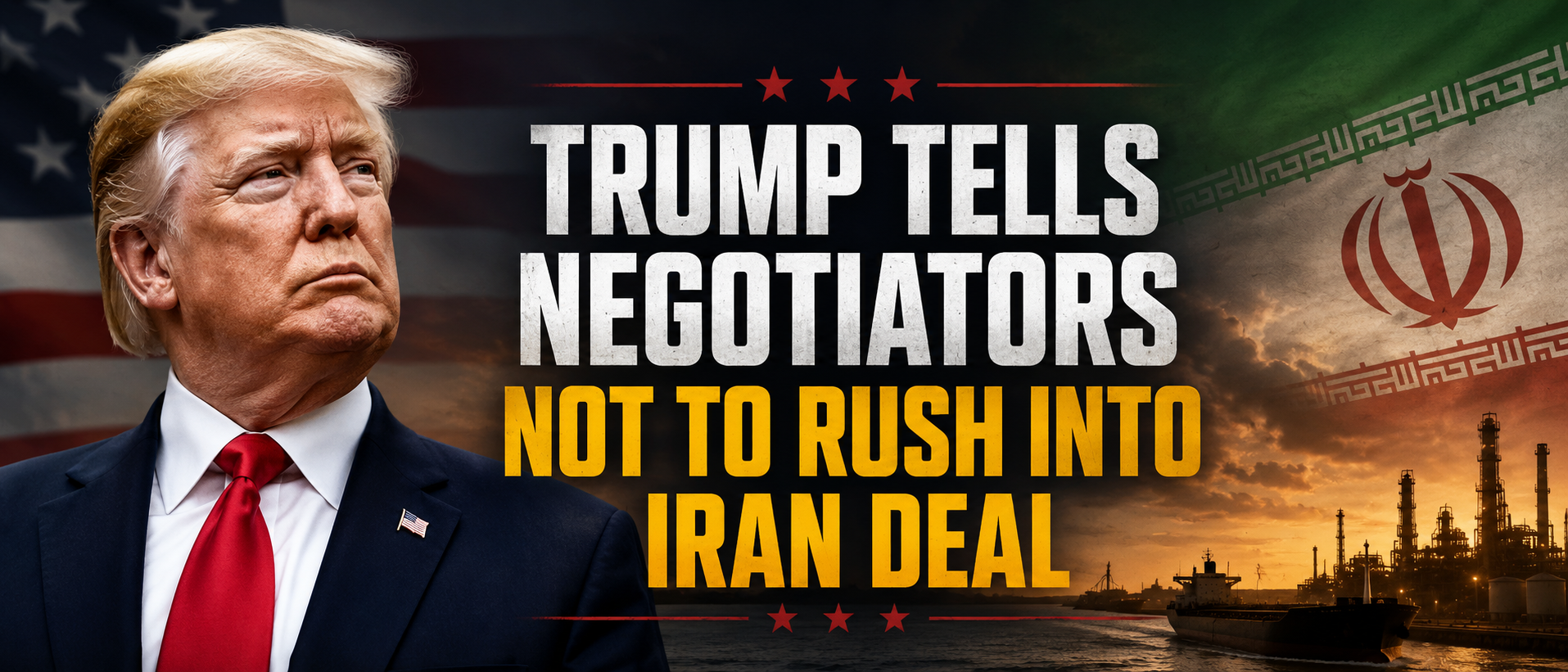
US media reported that the deal being discussed is not yet a final comprehensive settlement but a more limited framework intended to set the stage for further negotiation. The deal is believed to include a 60-day extension of the ceasefire, the reopening of the Strait of Hormuz to international shipping, and a structured process for future talks on Iran's nuclear program.
Many of the most contentious issues have been postponed for later rounds of negotiations, including the extent and timing of sanctions relief for Iran, the unfreezing of Iranian assets abroad, and what Washington is demanding from Tehran in relation to its nuclear ambitions.
Iranian Officials Voice Optimistic Caution
Iranian officials have played their own game of mixed signals about the state of negotiations. Esmail Baghaei, a spokesman for the foreign ministry, said the two sides were "very close and very far" from an agreement, a phrase that reflects the fragility and uncertainty of the diplomatic process. State television said on Saturday that Iran was finalizing a memorandum of understanding that would form the basis for more talks leading to a final agreement.
Trump himself used the same term, "memorandum of understanding," in his own social media post Saturday, indicating some level of common understanding about the framework while details remain in dispute. Meanwhile, Iranian President Masoud Pezeshkian told state television that Iran was ready to give the world guarantees that it was not pursuing a nuclear weapon, a statement that echoed Tehran's longstanding position that its nuclear program is purely for peaceful purposes.
Rubio Says Progress on the Strait: U.S. Secretary of State Marco Rubio, speaking to journalists in Delhi on Monday, gave a more optimistic assessment of the state of the negotiations, laying out what he called a pretty solid thing on the table on Iran's ability to reopen the Strait of Hormuz and engage in a serious, time-limited negotiation on the nuclear issue. Rubio had previously described progress over the last 48 hours as significant but not final, suggesting that recent developments could lead to the strait being fully reopened without the imposition of tolls. Pakistan's Deputy Prime Minister Ishaq Dar, who has been mediating the talks, said the latest negotiations gave grounds for optimism and that a positive outcome was achievable.
Republicans Divided on Emerging Deal
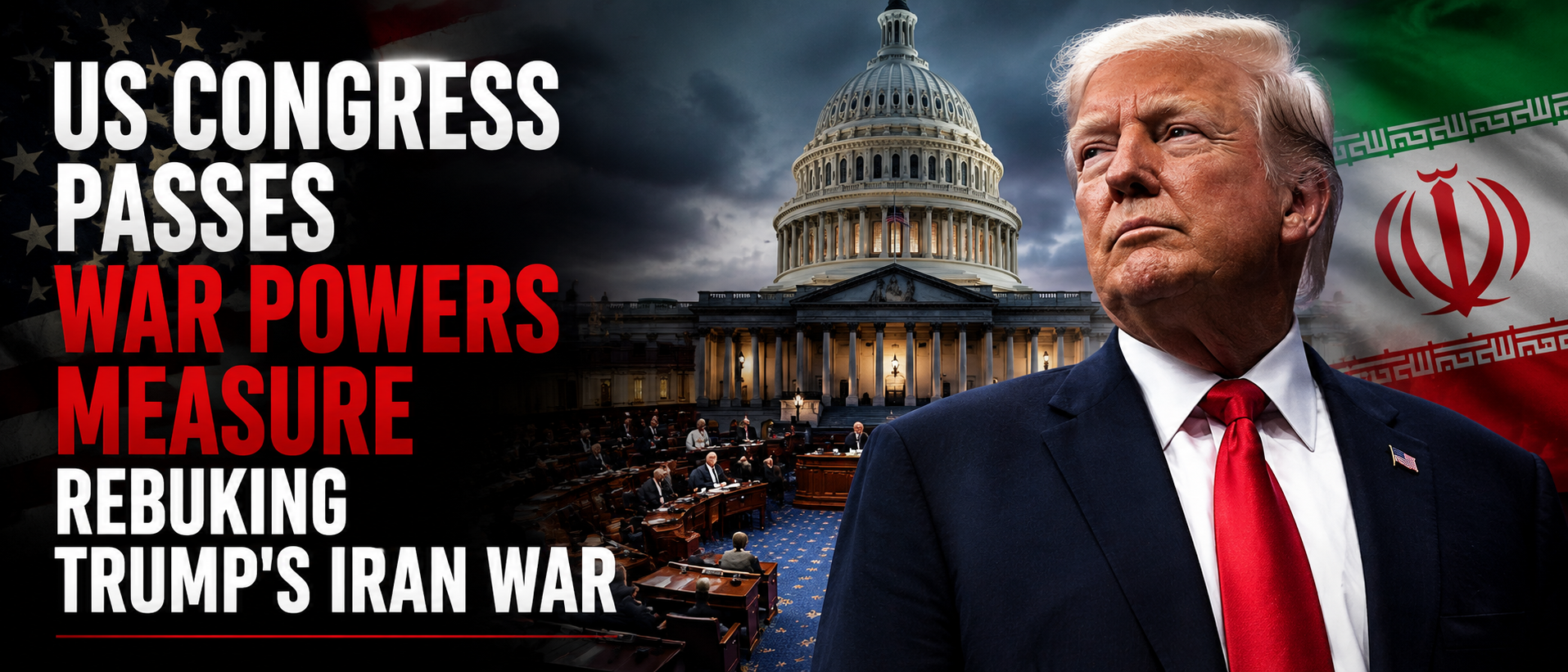
The reported terms of the deal have revealed a deep rift in the Republican Party. Sen. Ted Cruz said the potential deal would be a catastrophic mistake. Senate Armed Services Committee Chairman Roger Wicker said a 60-day ceasefire would make everything Operation Epic Fury had accomplished meaningless. Critics of the party say the terms are too soft on Tehran and do not get enough concessions on the nuclear question. But Rep. Mike Lawler, a member of the House Foreign Affairs Committee, defended the administration's approach, saying it has successfully forced what's left of the Iranian regime to engage in real and serious negotiation.
Background to the Dispute
Then on February 28, the United States and Israel launched massive military strikes against Iran, triggering a broad conflict across the Middle East. Iran's response was to attack Israel and American-allied states in the Gulf and effectively close the Strait of Hormuz, the critical waterway through which about 20 percent of the world's oil and liquefied natural gas passes.
The closure sent oil prices soaring and rattled energy markets across the globe. In early April a ceasefire was agreed upon, and shortly afterwards the US imposed a naval blockade on Iranian ports. The blockade will remain fully in place until an agreement is reached, certified, and signed, Trump said. At the beginning of the conflict, Iran was thought to have around 440 kilograms of uranium enriched to 60 percent purity, a relatively short technical step from the weapons-grade 90 percent threshold. Some reports have suggested that the deal could eventually require Iran to give up its stockpile of highly enriched uranium in a final settlement.
What now
Both sides have characterized the talks in similar terms, and a mediator has expressed cautious optimism, indicating the framework for a near-term agreement is taking shape. But the fact that Mr. Trump told negotiators not to rush suggests that the administration is aware of the political danger of being seen as accepting a deal that doesn't meet its self-imposed standards, especially on the nuclear issue. The next few days will be crucial to determine if the memorandum of understanding both sides seem to be heading toward can be transformed into a signed agreement that sticks or if the remaining gaps are too wide to bridge in the near term.