This is, without question, the biggest World Cup ever staged in terms of scale. Forty-eight nations competing across three countries for the first time makes it the largest in the competition's 23 editions. But size alone does not define greatness. What matters is what happens on the pitch, and on that measure, the 2026 tournament has delivered consistently.
The Numbers Behind a Record-Breaking Tournament
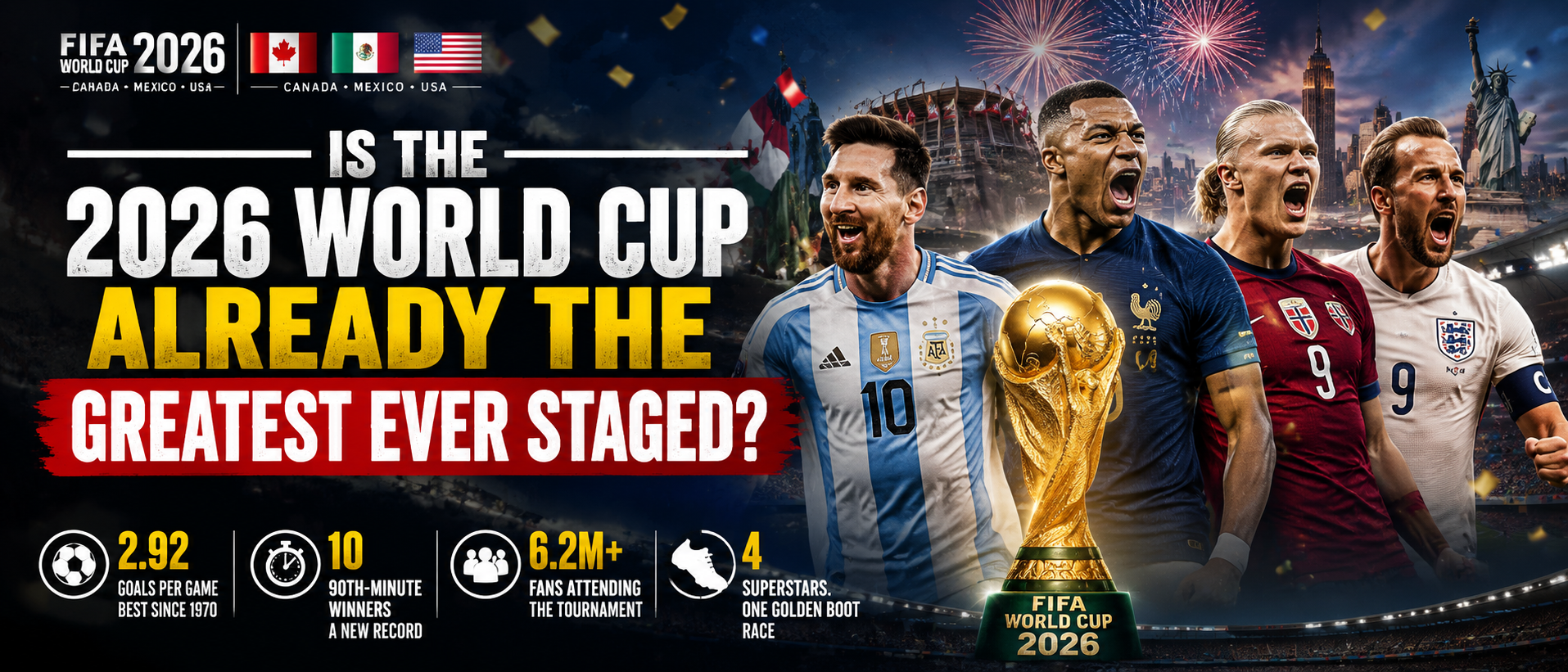
From 96 of the 104 matches played so far, 280 goals have been scored at an average of 2.92 per game. That is the best rate since the 1970 World Cup in Mexico, when 95 goals were scored across 32 matches at an average of 2.97. For context, the previous four tournaments averaged between 2.27 and 2.69 goals per game, making this year's output a significant step up. The highest scoring match was Germany's 7-1 demolition of Curacao, but six-goal games have appeared seven more times, and five-goal matches on another 13 occasions. Crucially, 74.6 percent of those goals have come from open play, one of the highest proportions ever recorded at a World Cup, with just five percent arriving from the penalty spot — a record low for the competition.
The drama has not been limited to goals alone. Of the 24 knockout ties played, eight have seen a decisive goal scored after the 85th minute, while Argentina required extra time to edge past Cape Verde and four matches went to penalty shootouts. Enzo Fernandez's 90th-minute winner against Egypt was the tenth goal of that kind in the tournament, already a World Cup record. July alone has delivered at least three genuine classics — Belgium, Argentina and England all recording 3-2 victories over Senegal, Egypt and Mexico respectively. Belgium and Argentina both came back from two goals down in the late stages of their respective matches, the first time that has happened more than once in the same tournament since 1970. England's win over Mexico, achieved with ten men for the final 40 minutes at the iconic Azteca Stadium, stands as one of the great knockout performances in the competition's history.
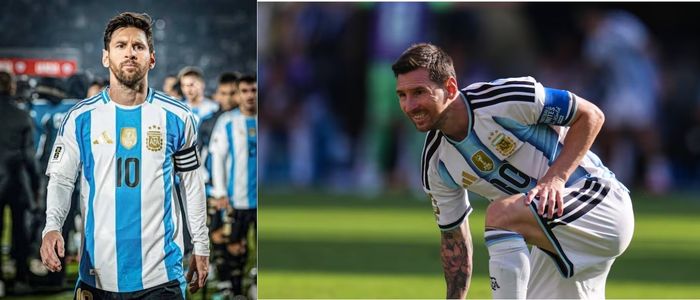
The fans have matched the football. Despite widespread concern before the tournament about eye-watering ticket prices and long travel distances between host cities, attendance figures have been remarkable. FIFA reports that 99.7 percent of available seats have been filled, with more than 4.4 million people attending group stage matches and a cumulative 6.2 million since the tournament began. The average attendance of just over 65,000 per match is second only to the 1994 edition, also held in the United States. The players delivering the entertainment have matched the occasion too. Lionel Messi leads the Golden Boot race on eight goals, with Kylian Mbappe and Erling Haaland both on seven, and Harry Kane on six. It marks the first time in World Cup history that three players have scored seven or more goals in a single tournament.
Controversy, Cost and What Comes Next
Not everything has been perfect. The expense of attending the tournament has placed an extraordinary financial strain on travelling fans, with ticket, hotel and transport costs reaching levels unprecedented in World Cup history. Hydration breaks introduced during extreme heat conditions have been accepted when temperatures demand them but roundly booed at air-conditioned venues where they appeared unnecessary. The length of the expanded tournament — stretching from June 11 to a final on July 19, with matches on all but four of those days — has been criticised for the toll it takes on players. The Premier League is set to begin on August 21, leaving players barely a month to recover.
The most serious controversy, however, surrounds Folarin Balogun's red card in the United States' last 32 match against Bosnia and Herzegovina. After US President Donald Trump publicly confirmed he contacted FIFA president Gianni Infantino to discuss the ban, Balogun was cleared to play in the subsequent 4-1 defeat to Belgium after FIFA cited a disciplinary code provision to suspend the one-match ban for a probationary year. In the entire history of the World Cup, only two players across 189 red cards have not served their subsequent suspension, with the other case dating back to 1962 in circumstances widely regarded as having involved political interference. The decision drew sharp criticism from UEFA, Belgium and England head coach Thomas Tuchel, while Belgian players later claimed the situation provided them with extra motivation going into the match.
2026 World Cup Stats Show It Could Be Best Ever
Despite the controversies, the overall picture is one of a tournament delivering at the highest level. With the four highest-ranked nations in the world — Argentina, Spain, France and England — all still involved and drawn into separate quarterfinal ties, the prospect of the coming days producing football that matches what has come before feels entirely realistic. How a World Cup is ultimately judged often comes down to its final few matches. The 2026 edition has already built an extraordinary foundation. Whether the quarterfinals, semifinals and final can finish the job and cement its legacy as the greatest of them all remains to be seen — but the ingredients are all there.