What Happened and Where
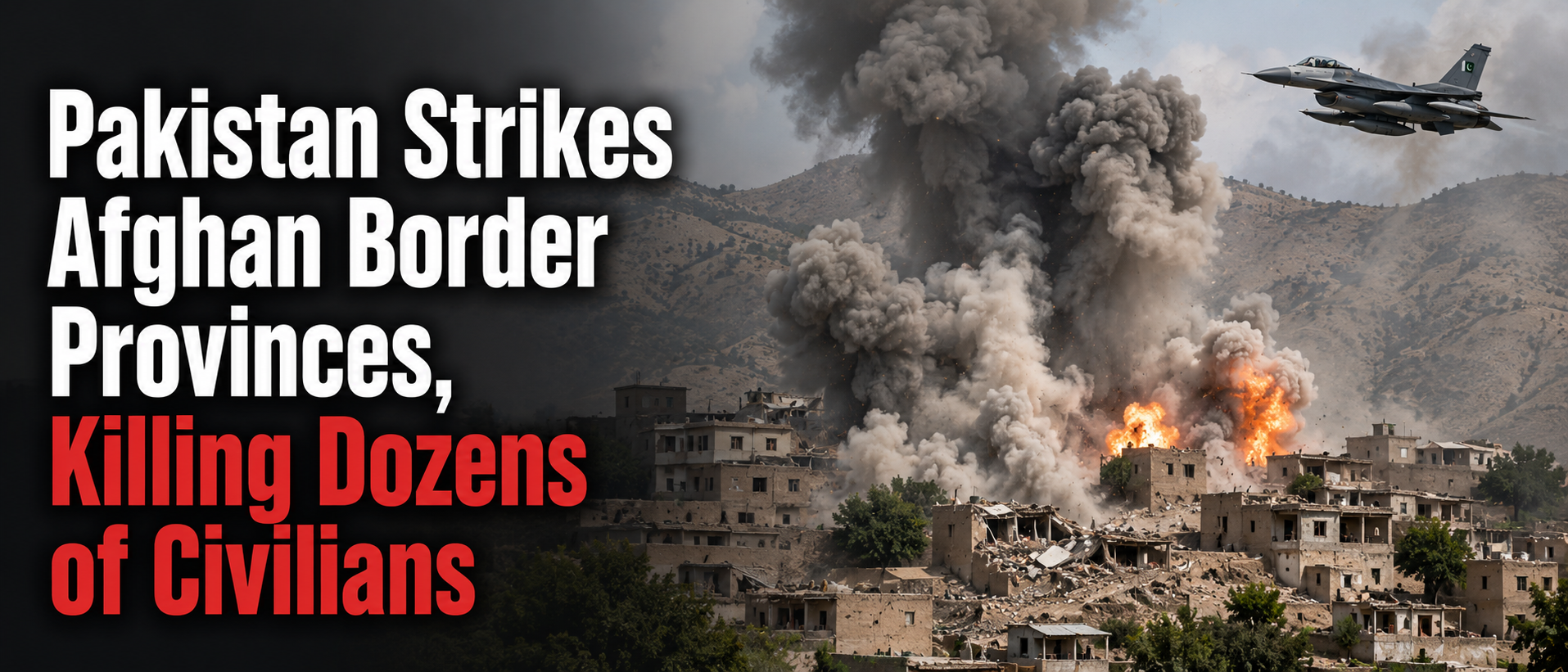
Pakistani forces struck three Afghan provinces along the border — Paktia, Paktika, and Kunar. The heaviest casualties, according to Taliban officials, were concentrated in Mandikhel, a village in Paktika province, where strikes reportedly hit residential homes rather than militant positions. Pakistan maintains that only militant infrastructure was targeted, not civilian areas, a claim Kabul flatly rejects. This is a familiar pattern. Pakistan has long insisted that Afghan soil is being used as a launchpad for terrorist attacks inside its borders, while the Taliban government has repeatedly accused Islamabad of carrying out unprovoked strikes that kill ordinary civilians.
The immediate trigger for Sunday's operations appears to have been a suicide attack the previous day in Karachi, where three members of the Sindh Rangers, a Pakistani paramilitary force, were killed at their headquarters. Three militants also died in the attack, and a fourth suspect, described as an Afghan national, was arrested. Jamaat-ul-Ahrar, a breakaway faction of the Pakistani Taliban, claimed responsibility for the Karachi attack. Both the Pakistani Taliban, also known as the TTP, and Jamaat-ul-Ahrar are banned organisations under Pakistani law and by the United Nations due to their long histories of violent attacks.
A Troubled and Deteriorating Relationship
Sunday's strikes did not come out of nowhere. The two countries had agreed to a ceasefire last October after weeks of deadly clashes, but that truce has since collapsed — much like previous internationally brokered agreements between them. In February, border fighting left dozens dead on both sides. In March, a Pakistani strike on a drug rehabilitation centre in Kabul resulted in hundreds of casualties, a strike that drew widespread condemnation. Just earlier this month, Pakistan carried out airstrikes that it said killed 26 militants, while the Taliban said 13 people — most of them children — also died in the same attack.
The pattern is troubling and well established. Each side accuses the other of bad faith. Pakistan points to the TTP's persistent use of Afghan territory to plan and launch attacks. Afghanistan's Taliban government says it will not allow its soil to be used against any neighbouring country, but denies that militants operate freely under its watch. With civilian casualties mounting, the ceasefire in tatters, and neither side showing any sign of backing down, the prospects for meaningful de-escalation along one of the world's most volatile borders remain deeply uncertain.