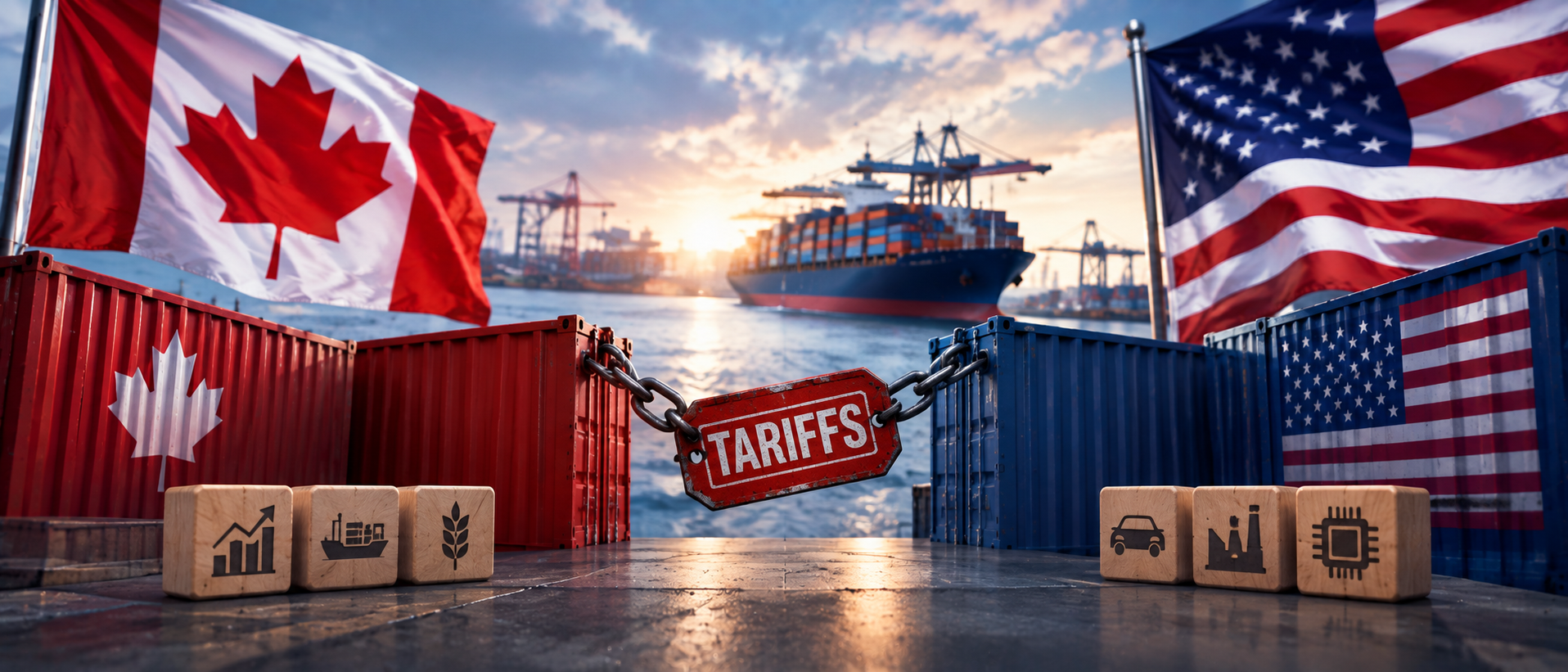
Fresh fish and lobster were originally included on the list but were later removed after pushback from Canada's seafood industry, highlighting the delicate balancing act Canada faces as it responds to tariffs from its largest trading partner. Both American and Canadian officials have expressed a desire to reach an agreement, but no real progress has been made toward resuming negotiations since talks broke down in late August.
Officials Trade Blame as Talks Remain Stalled
Speaking to reporters last week, Prime Minister Mark Carney said Canada remains committed to finding a deal with the United States that is durable and serves the interests of both nations, adding that Canada is ready to return to the negotiating table whenever the US is prepared to do the same. US Trade Representative Jamieson Greer offered a different perspective, telling Fox News that Canada essentially rejected the best offer on the table and that communication between the two sides has been minimal since talks collapsed. In a separate interview with a Canadian broadcaster, Greer warned against further retaliation, suggesting the US could respond by banning imports of certain Canadian goods altogether.
Adding to tensions, President Donald Trump threatened on Monday to cut off all US business with Canadian aircraft manufacturer Bombardier unless the company relocated its manufacturing operations to the United States. Bombardier ranks among Canada's largest companies, contributing more than C$7 billion to the country's GDP in 2024, according to a report the company commissioned from accounting firm PwC. Trump also targeted Canada in several posts over the weekend on his social media platform, including one criticizing the exchange rate between the two countries as unacceptable, and another featuring a map of North America, including Canada, Mexico, and Greenland, overlaid with the American flag.
Tariffs Ripple Through Trade and the Canadian Economy
Canada and the United States share the world's largest bilateral trading relationship, valued at nearly $900 billion in 2025. With new US tariffs and Canadian counter-tariffs now both in place, businesses on both sides of the border are working quickly to adjust. The US currently maintains a 25% tariff on Canadian cars and trucks, along with existing tariffs on Canadian steel, aluminum, and lumber. In late August, Trump introduced additional 50% tariffs on other goods, including dairy, alcohol, hockey sticks, and perfume.
Canada's response, which Carney has described as dollar-for-dollar, applies to hundreds of American products entering the country as of midnight Tuesday, layering on top of existing retaliatory tariffs Canada had already placed on finished American vehicles that don't comply with the North American free trade agreement known as USMCA in the US and CUSMA in Canada.
Polling suggests most Canadians support their government's decision to impose retaliatory tariffs, though economists warn the new measures will likely raise prices on everyday items like clothing, food, and furniture. The Canadian Chamber of Commerce has urged the Carney government to take a more targeted approach to retaliation. Chamber President and CEO Candace Laing said businesses understand the need for retaliation but don't want to see the situation escalate indefinitely, adding that companies are preparing for the trade dispute to continue for the long haul.
Pushback from the fisheries sector was strong enough to prompt Canada to revise its tariff list, removing dozens of seafood products to avoid unintended economic harm. The lobster industry in both countries is deeply interconnected, with American-caught lobster frequently sent north for processing before being shipped back to the US for sale.
Prior to the latest round of tariffs, Canada's economy had shown resilience, with GDP growing 3.3% in the second quarter and the country adding 181,000 jobs between April and July. However, roughly 41,000 jobs were lost in August, a period that coincided with new US tariffs and the collapse of trade negotiations. One bright spot was the manufacturing sector, which saw a modest increase that the Canadian government attributes to consumers and businesses increasingly choosing Canadian-made products.
Prime Minister Carney has pledged to reduce Canada's economic reliance on the United States. According to July figures, the share of Canadian exports headed to the US dropped to 66%, down from a pre-trade-war average of 75%.