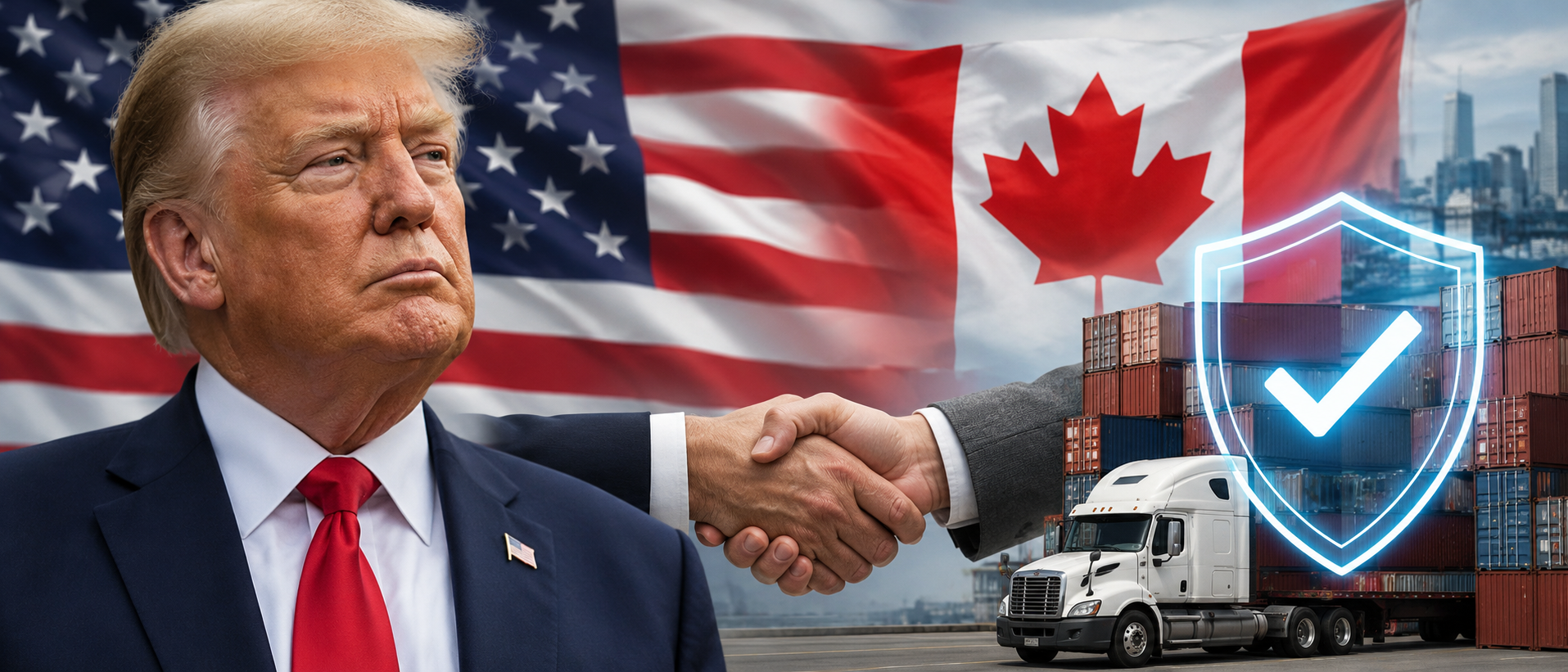
Trump shared the update on social media, stating that the planned 50% tariffs against Canada, originally set to begin the following morning, would be paused for three days because the two nations had essentially reached a deal, pending final paperwork. The announcement landed less than two hours before the steep tariff, which would have hit close to $20 billion worth of Canadian imports, was scheduled to take effect.
Talks Intensify After Months of Friction
The two countries had been stuck on several sticking points, particularly auto tariffs and the liquor bans that many Canadian provinces placed on American alcohol. Trump and Canadian Prime Minister Mark Carney held two conversations this week alone, while trade negotiators have been locked in serious discussions since July, ever since Trump set an August 19 deadline for the new tariff threat. Carney addressed the progress in a letter posted online, saying meaningful headway had been made even though key details still needed to be finalized.
Trump also used the announcement to raise the possibility of reviving the Keystone XL pipeline as part of a broader agreement. The pipeline, designed to move oil from Alberta into the United States, had been blocked under both the Obama and Biden administrations. Trump has repeatedly expressed interest in bringing the project back to life, describing it as something that could rise again after being shut down. The pipeline would have the capacity to transport 830,000 barrels of oil daily, though it has faced consistent opposition from environmental groups and Indigenous communities.
Meanwhile, the office of US Trade Representative Jamieson Greer indicated that the emerging deal would include broad market access for American products, commitments around economic security, and alignment on digital trade rules, while also including protections for workers and markets on both sides of the border.
Businesses Welcome the Breathing Room
The short delay came as a relief to Canadian negotiators and to companies on both sides of the border that had warned the new tariffs could cause real economic damage. Relations between the US and Canada have been strained since Trump began his term in January last year and introduced a sweeping set of global tariffs that disrupted decades of largely free trade between the two neighbors.
The tariffs in question would have targeted a broad mix of Canadian goods, including wine, dairy products, cement, clothing, and hockey equipment, stacking on top of existing US tariffs already placed on Canadian steel, aluminum, automobiles, and lumber. Canada had been pushing hard for the US to ease or eliminate tariffs in these industries.
On the other side, the US has been requesting concessions from Canada, including the removal of retaliatory tariffs on American vehicles and changes to dairy import quotas that would give American cheese producers greater access to the Canadian market. Washington has also pushed for an end to the alcohol sales ban that most Canadian provinces put in place last year in response to Trump's tariffs.
In the hours leading up to the deadline, negotiators were reportedly weighing a plan that would lower US tariffs on Canadian vehicles from 25% down to 15%, though the two sides remained divided over which vehicles would actually qualify, with US officials wanting the discount limited to cars built with a significant share of American-made parts.
Carney will still need cooperation from Canada's provincial leaders to lift the alcohol ban, since liquor sales fall under provincial rather than federal control. Ontario Premier Doug Ford, whose province has felt the heaviest impact from US auto tariffs, said he would support ending the ban only if the final agreement proves to be fair.
Adding pressure to reach an agreement, the US Chamber of Commerce warned this week that higher tariffs would hurt both economies, raise costs for American households, strain already fragile supply chains, and put roughly 13 million American jobs tied to trade under the US-Mexico-Canada Agreement at risk.