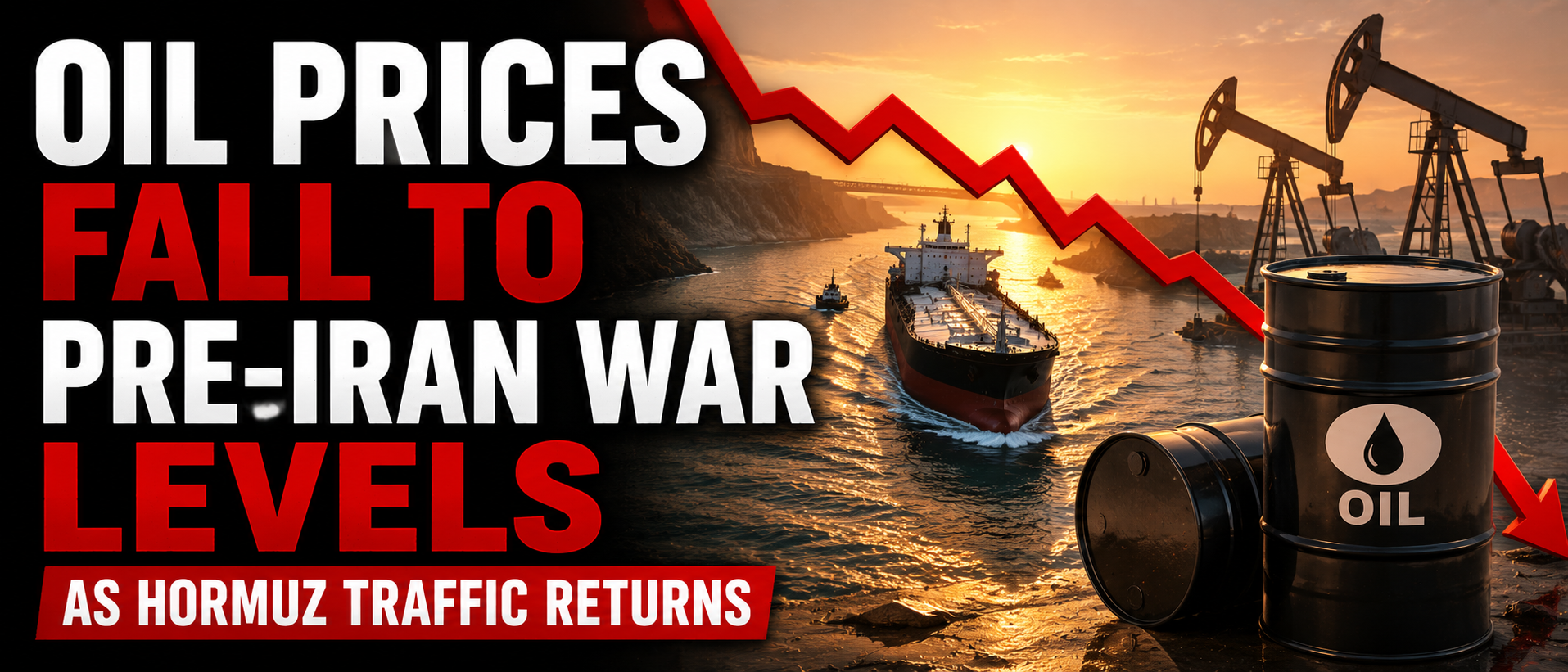
Oil traded in the U.S. lost 4.9% to $80.74 a barrel. The fall comes as optimism is growing that a long-term disruption of oil flows through the Strait of Hormuz may be coming to an end, easing one of the main sources of pressure on global energy markets in recent months. Details of the Framework Agreement. Pakistan Prime Minister Shehbaz Sharif announced the agreement would be officially signed on Friday, June 19, in Switzerland. In a telephone call broadcast on state television, Iran's deputy foreign minister, Kazem Gharibabadi, confirmed that a deal with the United States had been finalized.
Trump celebrated the development on social media, writing simply: 'Let the oil flow!' But Vandana Hari, energy markets analyst at Vanda Insights, warned that the lack of details of what has been agreed could add some uncertainty to the market and lead to a period of volatility in oil prices over the coming week. 1. Background on closure of Strait of Hormuz The Strait of Hormuz has been effectively shut down since shortly after the United States and Israel launched airstrikes against Iran on February 28. The waterway normally carries about 20% of the world's oil and liquefied natural gas.
Tehran had threatened to hit ships passing through the waterway after the conflict began. The closure has been a major driver of volatility in global energy markets over the course of the conflict. How oil prices have moved during the conflict. The war has led to wild swings in global energy markets since the war started. Brent crude, which was trading at around $70 a barrel before the conflict, jumped to around $120 a barrel at the height of hostilities. But despite the latest positive development, experts warned oil flows through the strait were unlikely to return to pre-war levels immediately.
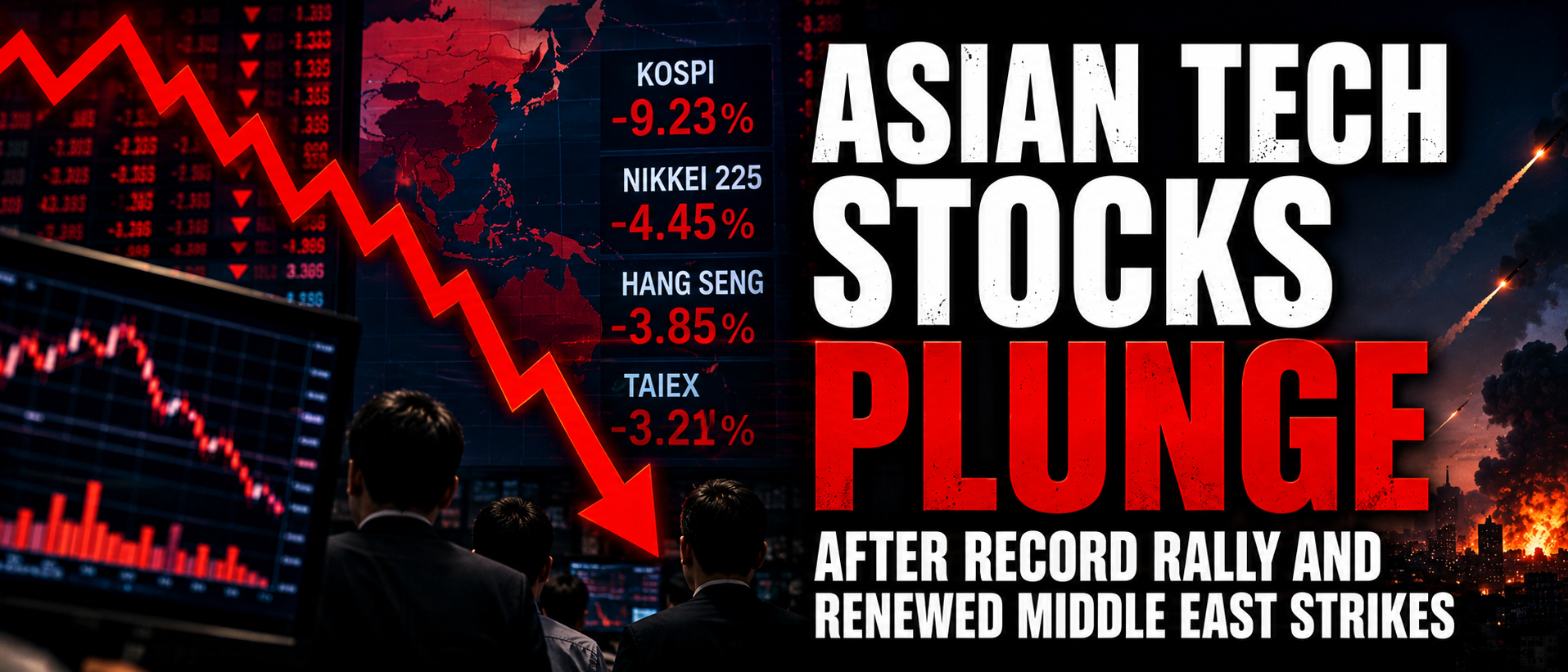
Clearing mines from the waterway would be the first step, a process that could take anywhere from a few weeks to as long as six months, said Andrew Lipow of Lipow Oil Associates. He also said there is a large backlog of tankers waiting to use the route and that it could take several more weeks to restart oil production and resume normal shipping schedules. Asia Market Response Investors greeted the news of the framework deal with a rally in Asian stock markets on Monday.
Japan's Nikkei 225 index jumped 4.7 percent, and South Korea's Kospi index gained more than 5.2 percent. The region is heavily dependent on the Middle East for its oil and liquefied natural gas supplies and has been particularly hard hit by the rise in energy prices during the conflict, so the prospect of a resolution would be particularly meaningful to regional markets.