How did prices get here?
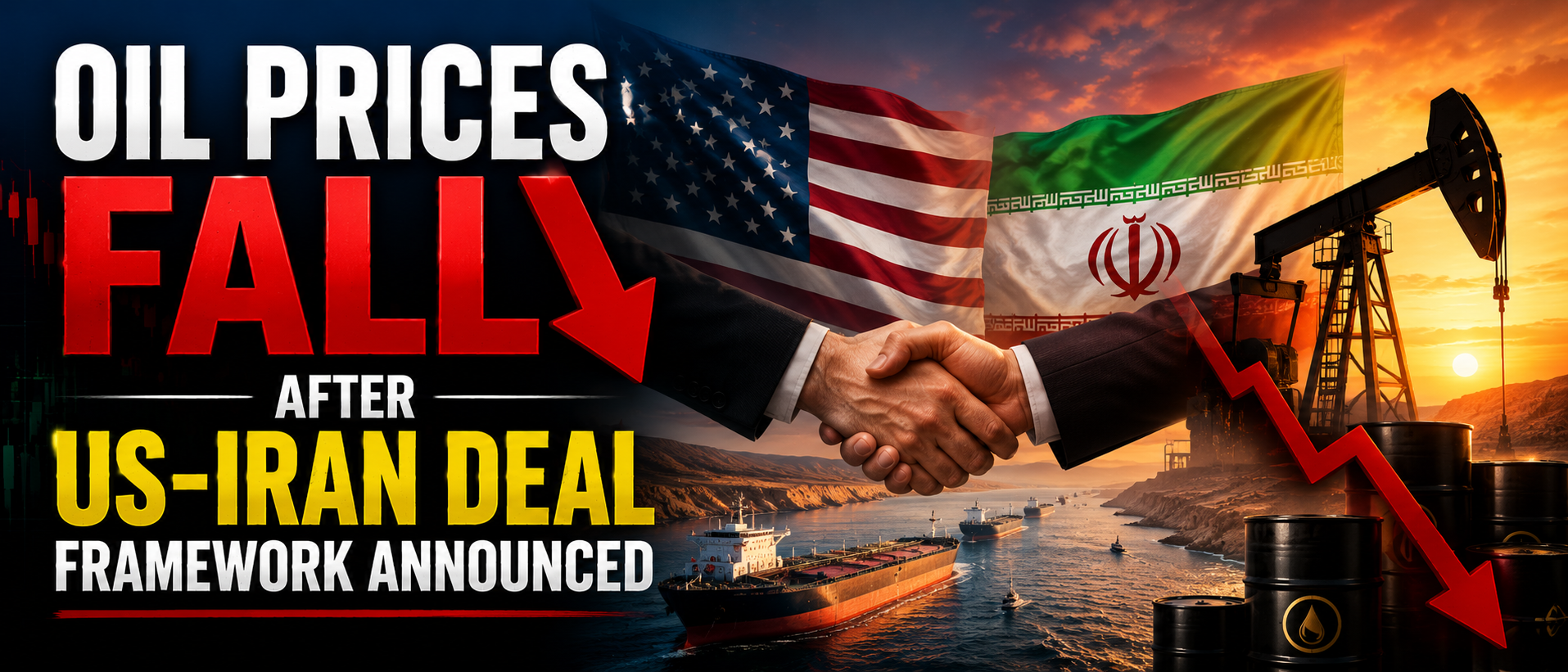
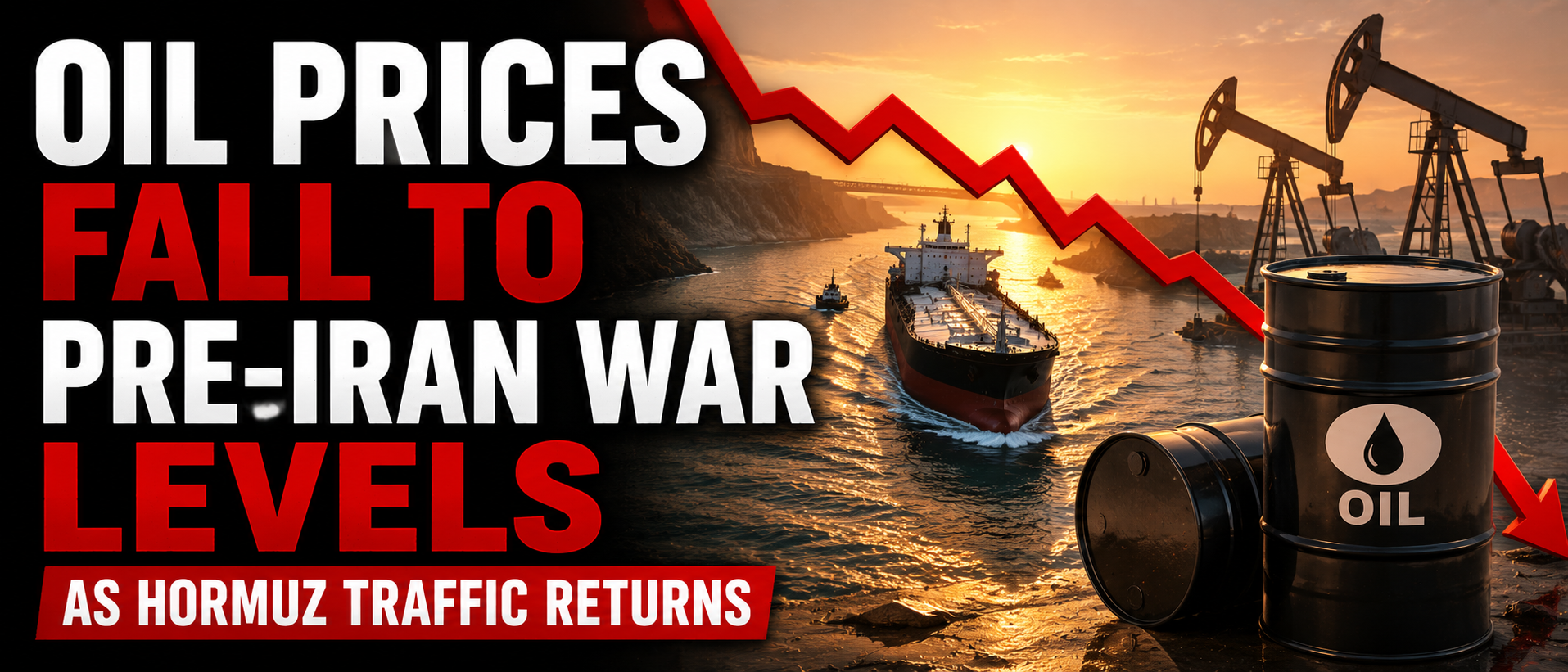
The energy markets have been extremely volatile since Iran effectively closed the Strait of Hormuz in response to the initial strikes, a crucial waterway through which a large portion of the world's oil and liquefied natural gas supplies normally pass. Brent crude traded at around $120 a barrel at the peak of the conflict, before plunging sharply. Crude prices have been falling steadily since the United States and Iran signed a Memorandum of Understanding on June 17, which set out a 60-day period for negotiations on Iran's nuclear programme and other measures to formally end the war. The U.S. also eased some sanctions on Iranian oil exports after the first round of peace talks in Switzerland last weekend, adding to the downward pressure on prices.
Shipping through the Strait of Hormuz is slowly returning to normal.
Since the signing of the Memorandum of Understanding, the number of vessels traversing the Strait of Hormuz has risen sharply, maritime intelligence firm Kpler said. The ships making the crossing in recent days include those carrying crude oil, liquefied natural gas, fertiliser and other goods. Dimitris Maniatis, chief executive of maritime risk advisory firm Marisks, called the change a tremendous shift, estimating that some 80 ships crossed the strait after the first round of peace talks in Switzerland. A handful of ships have been allowed to use a northern route with the permission of Iranian authorities, and the US navy has also provided guidance for vessels to use a southern route which has been deemed free of mines and other dangers put in the water during the conflict.
Traffic Remains Below Pre-War Levels
But even with the recovery, shipping traffic through the strait remains far below the more than 100 ships a day that used the waterway before the war started. Hundreds of vessels are still reported to be waiting in the Gulf and full restoration of normal traffic is expected to take some additional time. Mediators Qatar and Pakistan confirmed that a communication line was established between the US and Iran to avoid miscalculations and guarantee safe transit for commercial ships through the waterway going forward.
Fuel Prices Pump Behind
Oil prices have dropped dramatically but the full benefit has yet to filter through to the consumer at the petrol pumps. The average price of regular gasoline in the U.S. has dropped back down to about $3.93 a gallon after reaching $4 a gallon in April, the highest level since 2022, but is still above pre-war levels. On Wednesday, President Trump directly tackled the gap, ordering the Justice Department to investigate major energy companies, including Shell and ExxonMobil, for allegedly gouging drivers by not passing on the benefits of lower oil costs. Trump said that oil prices had come down substantially without a comparable decrease at the pump. The American Petroleum Institute replied that fuel prices don't necessarily follow crude oil costs.
Similar Debate Emerging In The United Kingdom
British energy companies have been hit by similar accusations of unfairly hiking petrol prices since the start of the Iran war. The UK's competition watchdog looked into the claims last month and found no widespread evidence of deliberate price gouging, with average profit margins broadly unchanged between February and March. The findings will have come as some comfort to the industry but will do little to ease the frustration of consumers still paying inflated prices at the forecourt.